Mumbai's monsoon chaos: Deaths, floods expose civic failures once again
First heavy rains claim lives, flood streets, and paralyze transport across Mumbai.

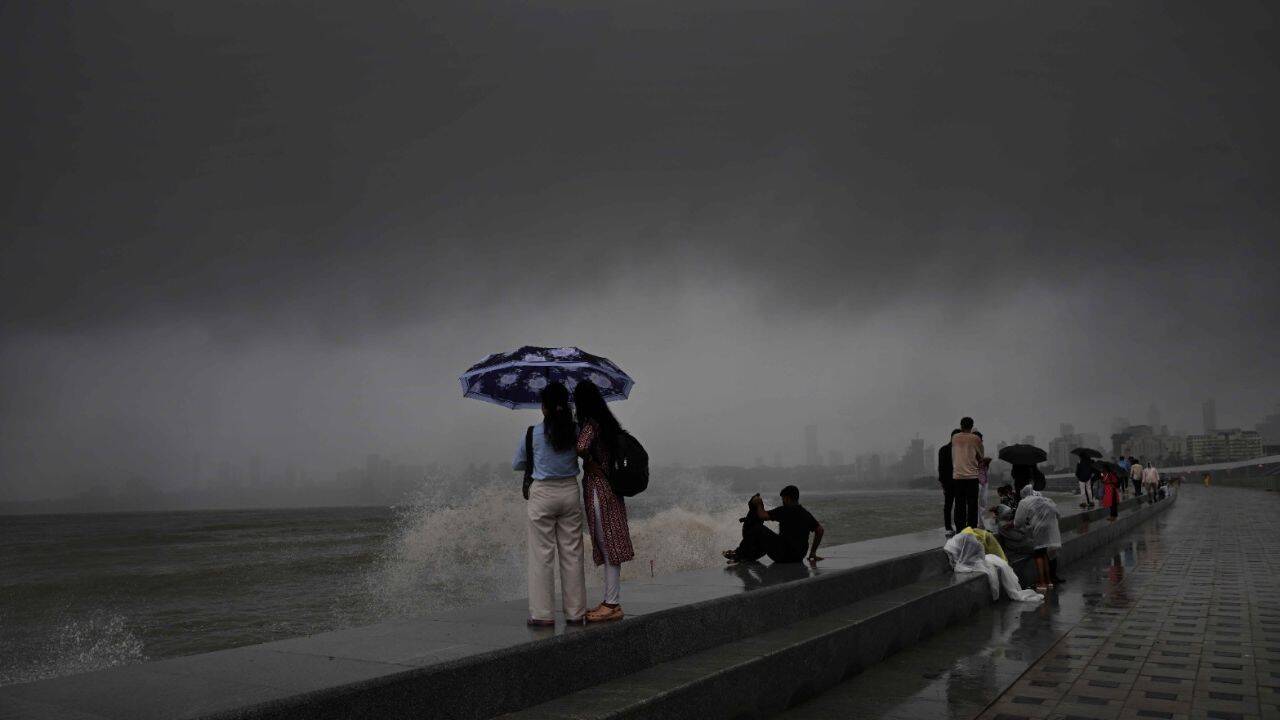
Mumbai has been battered by the opening salvo of the monsoon season, with torrential downpours exposing the persistent vulnerabilities in the city's infrastructure and disaster preparedness. The deluge has already claimed lives—a child was killed by a falling tree, while another person drowned in an open manhole—underscoring the annual toll that the rains exact on residents.
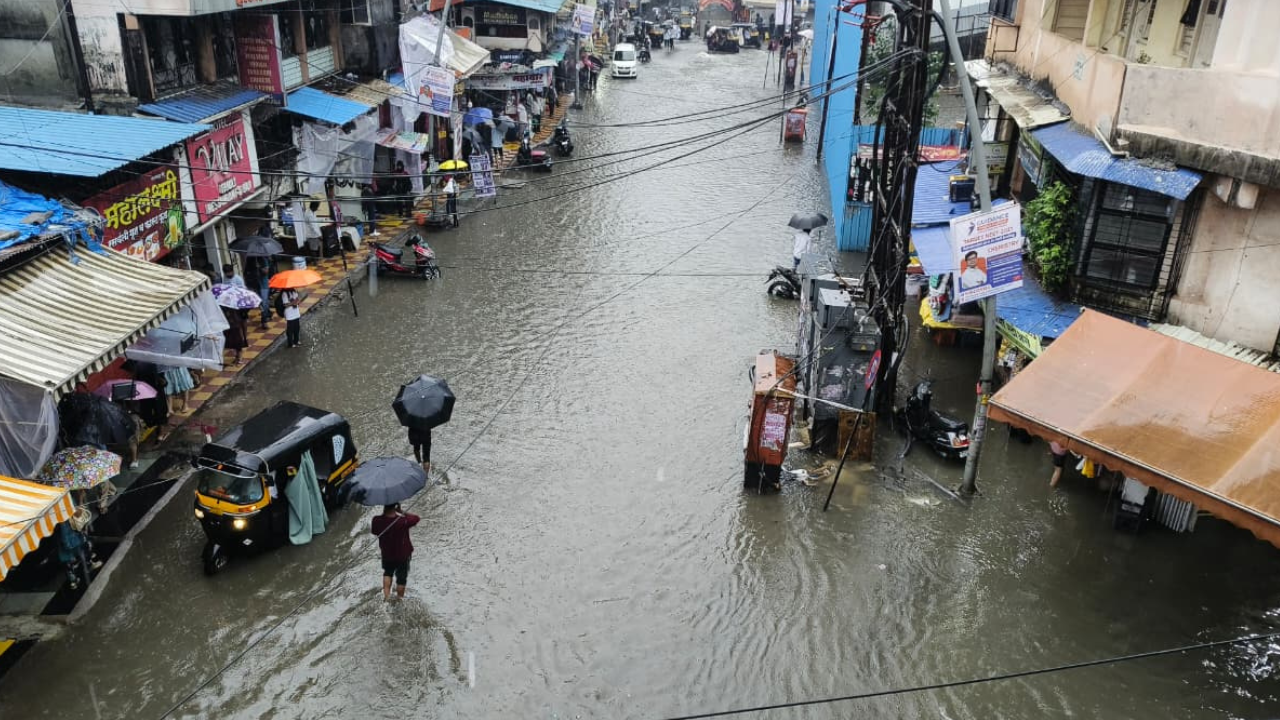
The initial heavy rainfall triggered widespread chaos across the metropolis. Road networks became impassable waterways, while the suburban railway network suffered delays that cascaded through the city's transport system. Social media platforms filled with complaints and videos documenting the flooding, painting a picture of a city overwhelmed by water despite months of preparation.
These recurring tragedies are not new to Mumbai. Year after year, the monsoon brings similar stories of preventable deaths and infrastructure failures. Open manholes, inadequately maintained drainage systems, and trees that pose hazards to pedestrians continue to plague the city. The incidents raise critical questions about whether civic authorities have truly learned from past seasons or merely gone through the motions of seasonal readiness.
For most Mumbaikars, the rains bring neither joy nor relief—only anxiety. Those living in well-maintained residential towers with proper ventilation and waterproofing might appreciate the cooling effect. For countless others, especially residents of slums and older buildings, the monsoon brings threats of electrocution, building collapses, and waterborne diseases.
As the season progresses, authorities must move beyond reactive measures to implement lasting solutions. Properly sealing open utilities, maintaining drainage infrastructure, and trimming hazardous vegetation require sustained commitment, not seasonal patches. Until meaningful systemic changes occur, Mumbai's monsoon narrative will remain unchanged—a story of resilience overshadowed by preventable tragedy.
Source: Times of India