Ancient Inscription Reveals Christianity's Rise
A 1,700-year-old Aramaic inscription found in Turkey may hold the key to understanding how Christianity overtook the Roman cult of Mithras. The text mentions both Mithras and Jesus Christ.

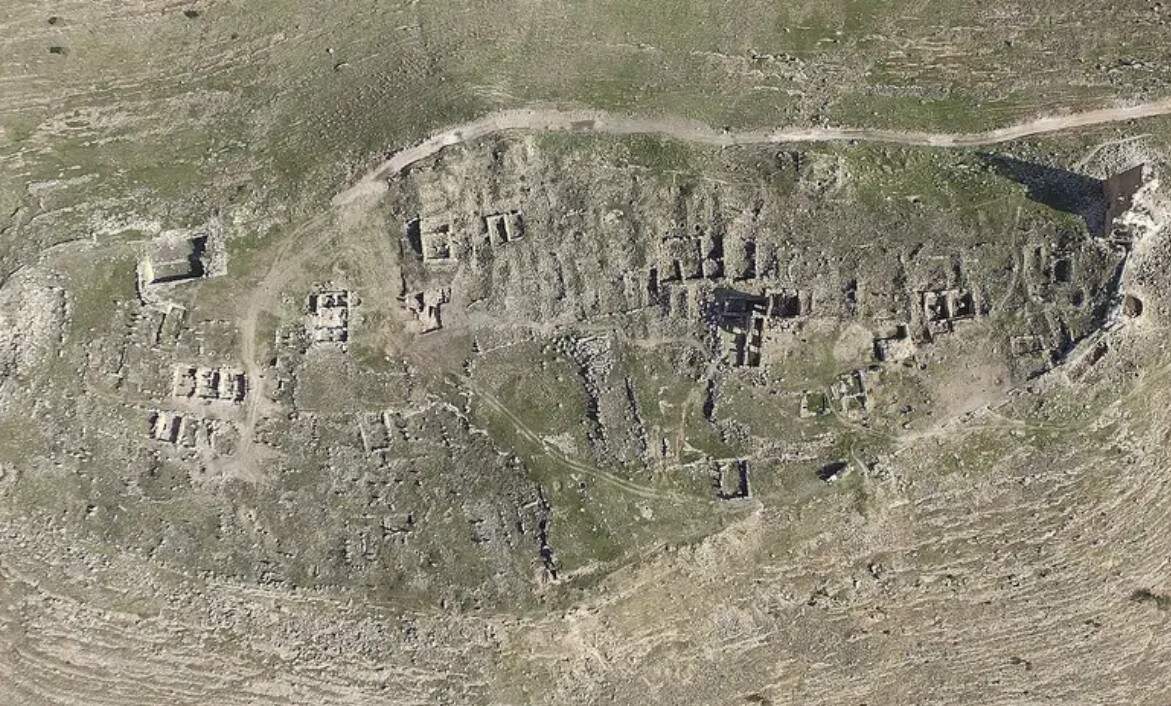
A significant archaeological discovery has been made at Zerzevan Castle in Turkey, where a 1,700-year-old Aramaic inscription has been found. The inscription, which dates back to the third or fourth century AD, documents the closure of a Mithras temple, providing rare written evidence of the transition from Roman cults to Christianity in the region.
The inscription is particularly notable as it mentions both Mithras, the Roman cult deity, and Jesus Christ, highlighting the coexistence of these two religious beliefs during that time period. Additionally, the text includes references to the Holy Cross, which signifies a Christian presence in the area. This discovery is a valuable addition to other early Christian archaeological finds in present-day Turkey, shedding more light on the spread of Christianity in the region.
The discovery of this inscription is important because it provides a unique glimpse into the religious dynamics of the time. The fact that the inscription mentions both Mithras and Jesus Christ suggests that the transition from one religion to another was not always a sudden or abrupt process, but rather a gradual one. This finding has significant implications for our understanding of the history of Christianity and its relationship with other Roman cults.
The inscription's reference to the closure of a Mithras temple also highlights the decline of the Roman cults and the rise of Christianity. As Christianity spread throughout the Roman Empire, many of the traditional cults and temples were abandoned or converted into Christian places of worship. This process of religious transition is a fascinating area of study, and the discovery of this inscription provides new insights into this complex and multifaceted phenomenon.
The discovery of this ancient text is a significant contribution to the field of archaeology and history, and it is likely to generate further research and debate about the spread of Christianity in the Roman Empire. As scholars continue to study and analyze the inscription, they may uncover even more information about the religious beliefs and practices of the people who lived in Turkey during the third and fourth centuries AD.
In the coming months and years, it is likely that the inscription will be subject to further analysis and interpretation, and its significance will become even more apparent. For now, the discovery of this ancient text is a reminder of the importance of archaeological research and the many secrets that still remain to be uncovered about the past.