Lalit Modi Backs State T20 Leagues With Strict Governance
Lalit Modi praises state T20 leagues, calls for close monitoring and robust anti-corruption measures.
'%3E%3Crect%20width%3D'96'%20height%3D'96'%20fill%3D'%231B5E20'%2F%3E%3Ccircle%20cx%3D'30'%20cy%3D'24'%20r%3D'44'%20fill%3D'%23fff'%20opacity%3D'.12'%2F%3E%3Ccircle%20cx%3D'60'%20cy%3D'74'%20r%3D'40'%20fill%3D'%23000'%20opacity%3D'.10'%2F%3E%3C%2Fg%3E%3Cg%3E%3Ccircle%20cx%3D'48'%20cy%3D'48'%20r%3D'15'%20fill%3D'%23fff'%2F%3E%3Cpath%20d%3D'M43%2034%20Q50%2048%2043%2062'%20fill%3D'none'%20stroke%3D'%238a94a6'%20stroke-width%3D'2.4'%2F%3E%3Cpath%20d%3D'M47%2033%20Q54%2048%2047%2063'%20fill%3D'none'%20stroke%3D'%238a94a6'%20stroke-width%3D'1.8'%20stroke-dasharray%3D'1.5%203'%2F%3E%3C%2Fg%3E%3C%2Fsvg%3E)
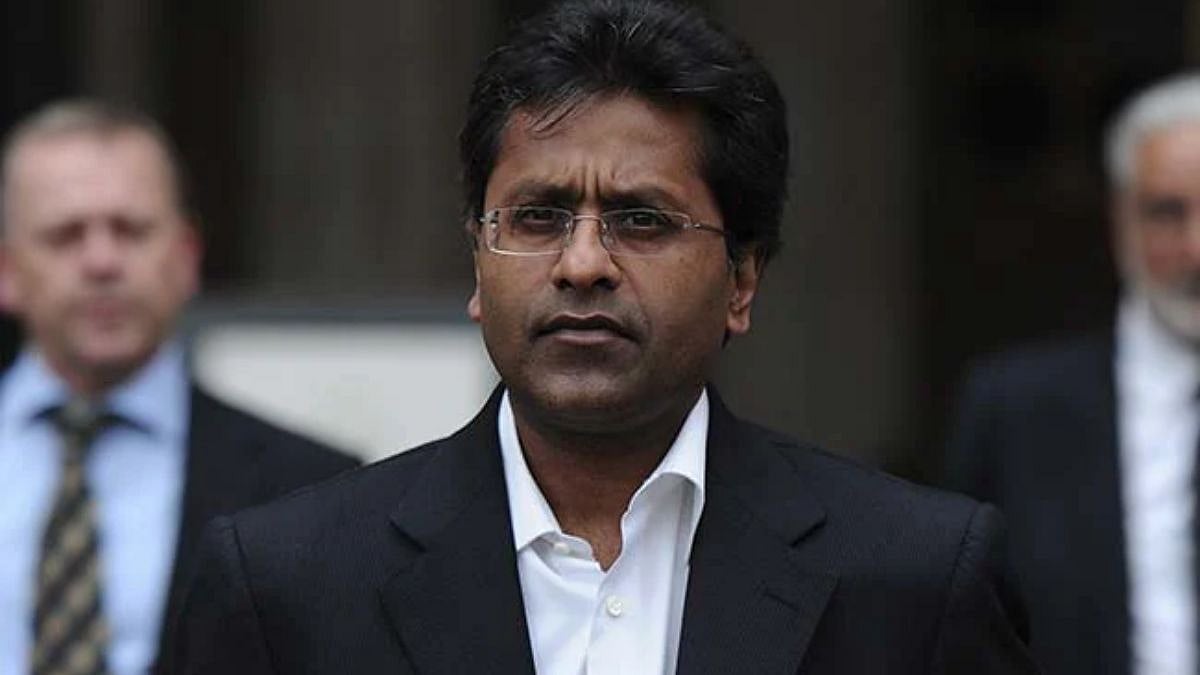
Lalit Modi, the founder of the Indian Premier League, has expressed his support for state T20 leagues, stating that they are a positive development for Indian cricket. According to Modi, these leagues can help identify talent at local levels and provide a pathway for young players to graduate to the IPL and higher levels.
Modi emphasized the importance of close monitoring by state cricket associations to keep the leagues free from corrupt approaches. He cautioned that smaller leagues can become vulnerable to bookmakers, match-fixing, and other corrupt practices if adequate safeguards are not established.
The IPL founder highlighted the need for robust anti-corruption protocols, player education, and strict control over access to players and dressing rooms. He also stressed the importance of transparent contracts and payments, independent audits, and active monitoring of suspicious betting patterns.
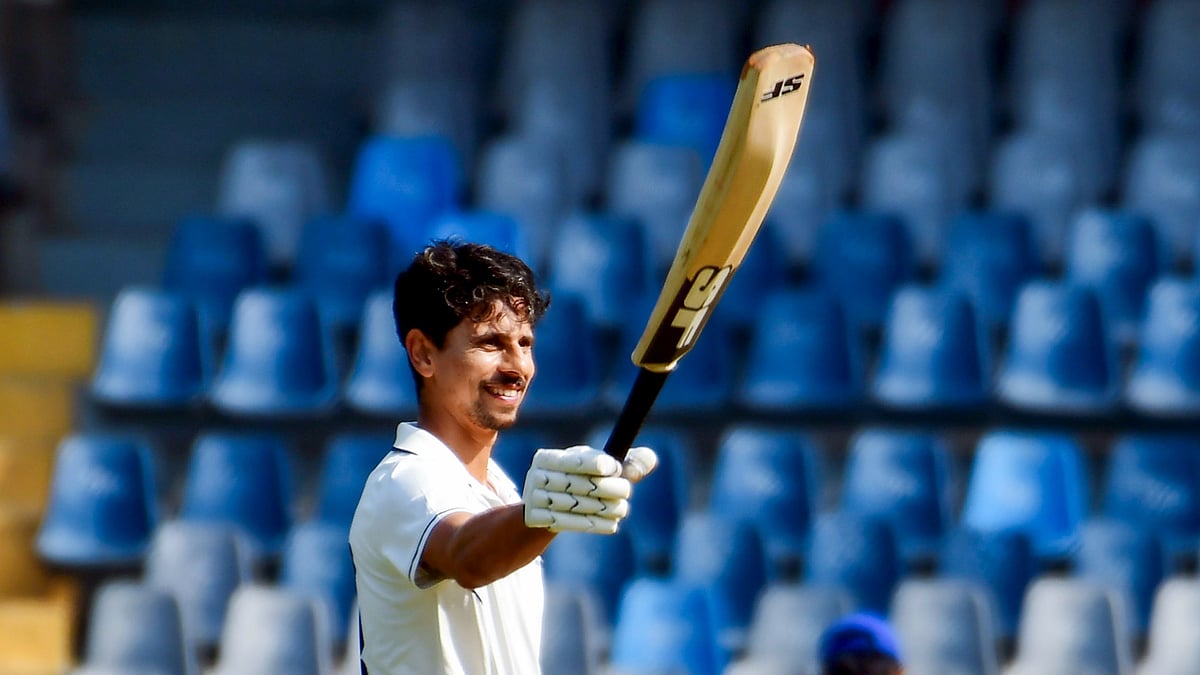
Modi's comments come as the growth of state T20 leagues has helped unleash a new generation of cricketers. Several players have made the most of the opportunities and attracted the attention of state associations and IPL franchises.
However, Modi also emphasized the need for strong independent governance and monitoring of state cricket associations. He stated that the governance of the state association itself matters and that a league cannot be expected to be clean and transparent if the institution supervising it is facing serious questions about its own governance.
The issue of governance is particularly relevant in the case of the Uttar Pradesh Cricket Association (UPCA), which has faced allegations and controversies concerning governance, transparency, and conflicts of interest. Modi's comments suggest that the UPCA needs to address these issues in order to ensure that its state league is run in a clean and transparent manner.
In conclusion, Lalit Modi's support for state T20 leagues is conditional on the implementation of strict governance and anti-corruption measures. His comments highlight the importance of ensuring that these leagues are run in a clean and transparent manner, with a focus on identifying and developing young talent.
The growth of state T20 leagues is a positive development for Indian cricket, and it is essential that they are managed in a way that promotes integrity and fairness. By implementing robust anti-corruption protocols and ensuring strong independent governance, state cricket associations can help to ensure that their leagues are a success and provide a valuable pathway for young players to develop their skills.
Overall, Modi's comments emphasize the need for a balanced approach to the growth of state T20 leagues, one that promotes talent development while also ensuring integrity and fairness. By getting this balance right, Indian cricket can continue to thrive and produce talented players who can compete at the highest level.
The issue of governance and anti-corruption measures is not limited to state T20 leagues, but is a broader concern for Indian cricket as a whole. By addressing these issues, the cricket community can help to promote a culture of integrity and fairness, and ensure that the sport continues to grow and develop in a positive way.
In the end, the success of state T20 leagues will depend on the ability of state cricket associations to implement effective governance and anti-corruption measures. By doing so, they can help to ensure that these leagues are a success and provide a valuable pathway for young players to develop their skills and compete at the highest level.
Frequently asked questions
What is Lalit Modi's view on state T20 leagues?
Lalit Modi supports state T20 leagues as a positive development for Indian cricket, but emphasizes the need for strict governance and anti-corruption measures.
Why are anti-corruption measures important for state T20 leagues?
Anti-corruption measures are important to prevent corrupt approaches, such as bookmaking and match-fixing, and to ensure the integrity of the leagues.