India Loses ₹1.5 Trillion Annually Due to Perishable Produce
Farmers struggle to secure fair prices, India loses 3.7% of agricultural GDP
'%3E%3Crect%20width%3D'96'%20height%3D'96'%20fill%3D'%23B3261E'%2F%3E%3Ccircle%20cx%3D'30'%20cy%3D'24'%20r%3D'44'%20fill%3D'%23fff'%20opacity%3D'.12'%2F%3E%3Ccircle%20cx%3D'60'%20cy%3D'74'%20r%3D'40'%20fill%3D'%23000'%20opacity%3D'.10'%2F%3E%3C%2Fg%3E%3Cg%20fill%3D'%23fff'%3E%3Crect%20x%3D'29'%20y%3D'49'%20width%3D'8'%20height%3D'19'%20rx%3D'1'%2F%3E%3Crect%20x%3D'39'%20y%3D'40'%20width%3D'9'%20height%3D'28'%20rx%3D'1'%2F%3E%3Crect%20x%3D'50'%20y%3D'45'%20width%3D'8'%20height%3D'23'%20rx%3D'1'%2F%3E%3Crect%20x%3D'60'%20y%3D'53'%20width%3D'7'%20height%3D'15'%20rx%3D'1'%2F%3E%3Crect%20x%3D'41'%20y%3D'34'%20width%3D'5'%20height%3D'6'%2F%3E%3C%2Fg%3E%3C%2Fsvg%3E)
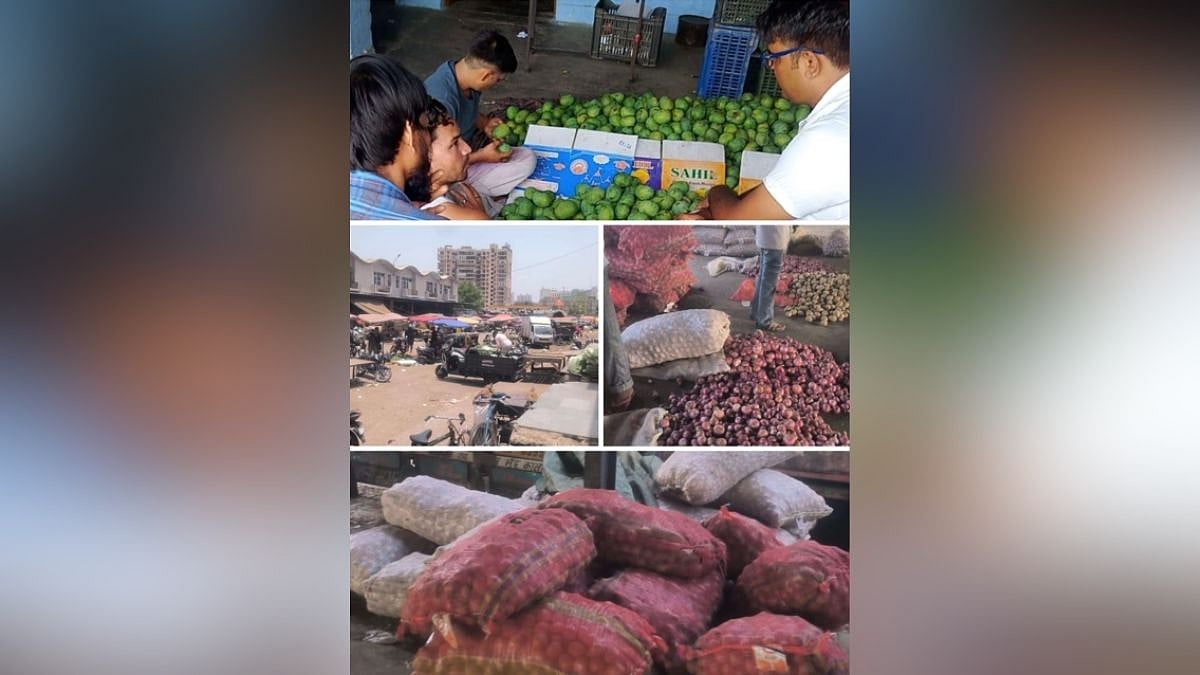
Farmers in India face significant challenges in securing fair prices for their produce due to the perishable nature of their crops. A substantial portion of the produce is lost before it reaches the customer, resulting in huge losses for farmers. According to reports, India loses nearly ₹1.5 trillion after harvest every year, which is approximately 3.7% of the country's agricultural GDP.
This issue is largely attributed to the lack of proper storage facilities, rough handling, weak packaging, and delayed transport. For instance, a papaya wholesaler in Mathura lost 200 kilograms of fruit from every 1,000 kilograms he purchased, which is a significant loss. The margins for farmers are also wafer-thin, making it difficult for them to break even.
The problem is not just limited to one product, but is repeated across the value chain. Cucumbers, for example, are sold at ₹12 at the initial stage, but the price increases to ₹20 at the wholesale level and costs customers more than ₹30. This price difference is largely due to the various intermediaries involved in the process.
While it is easy to blame the middlemen for exploiting farmers, it is not an entirely accurate assessment. Removing the middlemen may not necessarily solve the problem, as the underlying issue is the lack of choice for farmers. They are often forced to sell their produce quickly, which reduces their bargaining power.
The Minimum Support Price (MSP) system, which guarantees a fair price for farmers, is also not effective in addressing this issue. Delays in procurement and payment can increase the farmer's dependence on loans, further exacerbating the problem.
Other factors that impact margins include heat-induced decay, poor road conditions, and delayed transport. In Ghazipur, for instance, the spoilage of tomatoes and other perishables was estimated to be around 5 to 20%.
To address these issues, it is essential to provide good storage facilities, reliable transport, and better access to verified buyers. Building a connected local system with multiple collection points, crop-specific storage facilities, and short-term credit products can help reduce the losses and increase the margins for farmers.
In addition, providing insurance coverage for crops can help mitigate the risks associated with crop damage. Small farmers, in particular, face high transport costs and smaller yields, and are often forced to work on land without a title deed. Recognizing their rights and providing them with better access to markets and credit facilities can help address the issue of inequality and inefficiencies in the system.
In conclusion, the issue of perishable produce is a significant challenge for farmers in India, resulting in substantial losses and wafer-thin margins. Addressing this issue requires a multi-faceted approach that includes providing good storage facilities, reliable transport, and better access to verified buyers, as well as recognizing the rights of small farmers and providing them with better access to markets and credit facilities.
The Indian government and other stakeholders must work together to build a more efficient and equitable system that benefits farmers and reduces the losses associated with perishable produce. By doing so, India can reduce the significant losses it incurs every year and improve the livelihoods of its farmers.
The solution to this problem is not simple, but it is essential to address the issue of perishable produce to ensure the sustainability of India's agricultural sector. With the right approach and support, farmers can secure fair prices for their produce, and the country can reduce its losses and improve its agricultural GDP.
In the end, it is crucial to recognize the importance of addressing the issue of perishable produce and to work towards creating a more efficient and equitable system that benefits farmers and the country as a whole.
Frequently asked questions
What is the main reason for India's losses in agricultural produce?
The main reason is the perishable nature of the produce, which results in significant losses before it reaches the customer.
How much does India lose annually due to perishable produce?
India loses nearly ₹1.5 trillion after harvest every year, which is approximately 3.7% of the country's agricultural GDP.