Koalas Faced Near Extinction 100,000 Years Ago
Koalas nearly vanished due to ice ages, DNA study reveals. Humans not the cause.
'%3E%3Crect%20width%3D'96'%20height%3D'96'%20fill%3D'%23B3261E'%2F%3E%3Ccircle%20cx%3D'30'%20cy%3D'24'%20r%3D'44'%20fill%3D'%23fff'%20opacity%3D'.12'%2F%3E%3Ccircle%20cx%3D'60'%20cy%3D'74'%20r%3D'40'%20fill%3D'%23000'%20opacity%3D'.10'%2F%3E%3C%2Fg%3E%3Cg%20fill%3D'%23fff'%3E%3Crect%20x%3D'29'%20y%3D'49'%20width%3D'8'%20height%3D'19'%20rx%3D'1'%2F%3E%3Crect%20x%3D'39'%20y%3D'40'%20width%3D'9'%20height%3D'28'%20rx%3D'1'%2F%3E%3Crect%20x%3D'50'%20y%3D'45'%20width%3D'8'%20height%3D'23'%20rx%3D'1'%2F%3E%3Crect%20x%3D'60'%20y%3D'53'%20width%3D'7'%20height%3D'15'%20rx%3D'1'%2F%3E%3Crect%20x%3D'41'%20y%3D'34'%20width%3D'5'%20height%3D'6'%2F%3E%3C%2Fg%3E%3C%2Fsvg%3E)
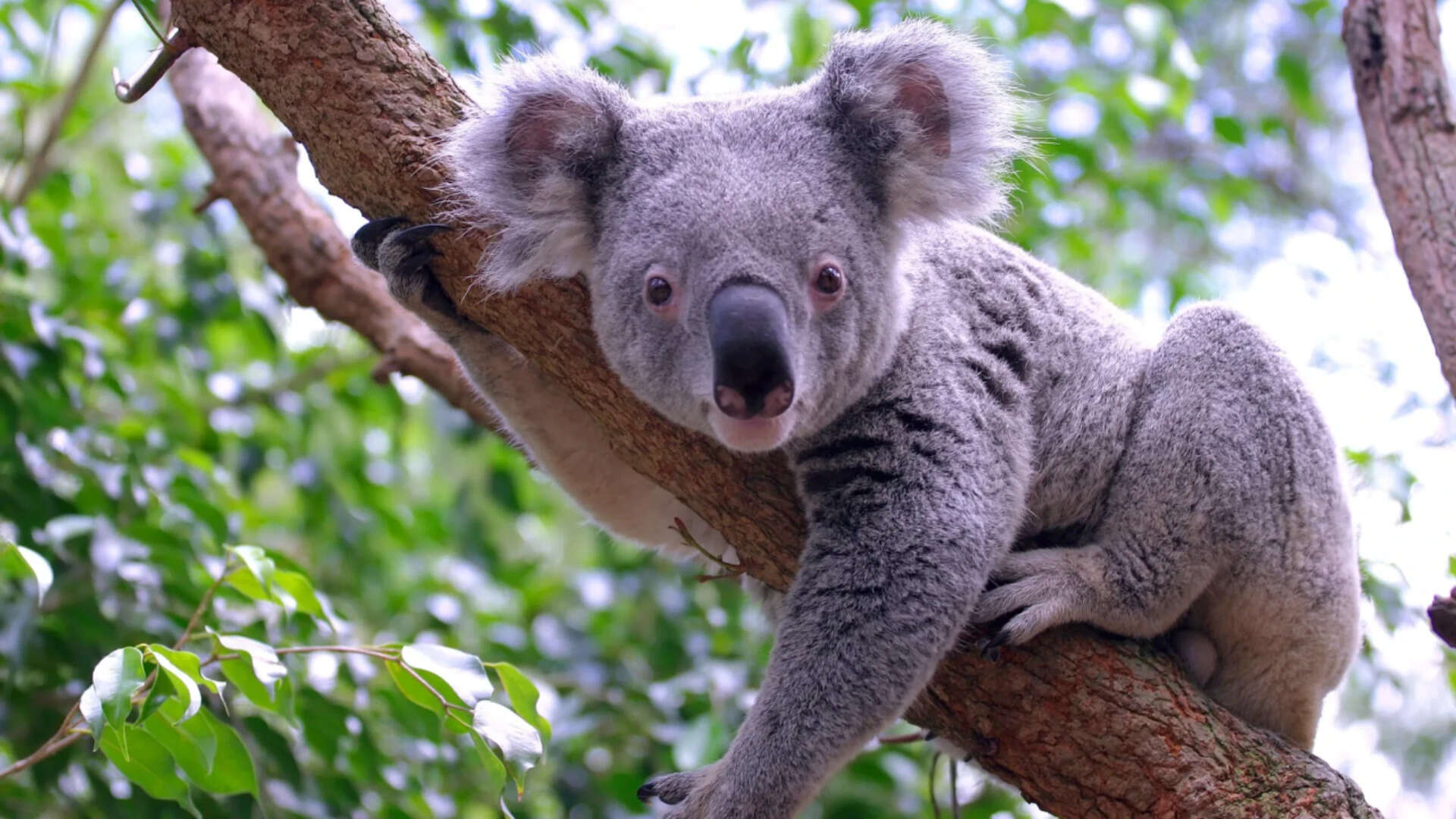
A recent DNA study has revealed that koalas faced near extinction approximately 100,000 years ago due to brutal ice ages. This crisis occurred long before humans reached Australia.
The study examined koala genomes to understand the impact of climate shifts on their population. The findings suggest that significant declines in the koala population were triggered by these climate changes.
The research highlights the dramatic effect of climate fluctuations on koala populations in the past. However, the current threats to koalas are largely attributed to human activities.
Koalas are native to Australia, and their population has been affected by various factors over the years. The latest study provides valuable insights into the historical context of koala population dynamics.
The ice ages that occurred 100,000 years ago had a devastating impact on the koala population, pushing them to the brink of extinction. The study's findings are based on a comprehensive analysis of koala genomes, which has shed light on the genetic history of the species.
The discovery of the near-extinction event has significant implications for conservation efforts. It emphasizes the need for dedicated measures to protect koalas from modern threats, primarily caused by human activities.
In recent years, conservation efforts have focused on protecting koalas and their habitats. However, more needs to be done to address the pressing issues facing the species. The study's findings serve as a reminder of the urgent need for effective conservation strategies.
The research has far-reaching implications for the management and conservation of koala populations. It highlights the importance of considering historical climate fluctuations and their impact on species populations when developing conservation plans.
In conclusion, the DNA study has provided significant insights into the historical context of koala population dynamics. The findings underscore the need for dedicated conservation measures to protect koalas from modern threats, primarily caused by human activities.
The study's results have important implications for Australia, where koalas are an iconic species. The conservation of koalas is crucial for maintaining the country's biodiversity and ecological balance.
The urgent need for effective conservation strategies is evident, and the study's findings will inform and guide conservation efforts in the future.
The discovery of the near-extinction event 100,000 years ago serves as a reminder of the importance of protecting koalas and their habitats. It is essential to address the modern threats facing the species to ensure their survival and well-being.
The study's findings will contribute to a better understanding of the complex relationships between species, climate, and human activities. This knowledge will be crucial in developing effective conservation plans and strategies to protect koalas and other species facing similar threats.
In the context of Australia's conservation efforts, the study's results are significant. They highlight the need for a comprehensive approach to conservation, considering both historical and modern factors affecting species populations.
The conservation of koalas is a pressing issue, and the study's findings will play a crucial role in guiding conservation efforts. The need for dedicated measures to protect koalas from modern threats cannot be overstated, and the study's results will inform and shape conservation strategies in the future.
The study's implications extend beyond the conservation of koalas, highlighting the importance of considering historical climate fluctuations and their impact on species populations. This knowledge will be essential in developing effective conservation plans for other species facing similar threats.
In summary, the DNA study has provided valuable insights into the historical context of koala population dynamics. The findings emphasize the urgent need for dedicated conservation measures to protect koalas from modern threats, primarily caused by human activities.
The study's results have significant implications for conservation efforts in Australia and beyond. They highlight the importance of considering historical climate fluctuations and their impact on species populations when developing conservation plans.
The need for effective conservation strategies is evident, and the study's findings will inform and guide conservation efforts in the future. The discovery of the near-extinction event 100,000 years ago serves as a reminder of the importance of protecting koalas and their habitats.
The study's findings will contribute to a better understanding of the complex relationships between species, climate, and human activities. This knowledge will be crucial in developing effective conservation plans and strategies to protect koalas and other species facing similar threats.
The conservation of koalas is a pressing issue, and the study's findings will play a crucial role in guiding conservation efforts. The need for dedicated measures to protect koalas from modern threats cannot be overstated, and the study's results will inform and shape conservation strategies in the future.