Delhi's Finished Public Projects Gather Dust While Citizens Wait
Completed parks and libraries across Delhi remain closed to public due to administrative red tape.

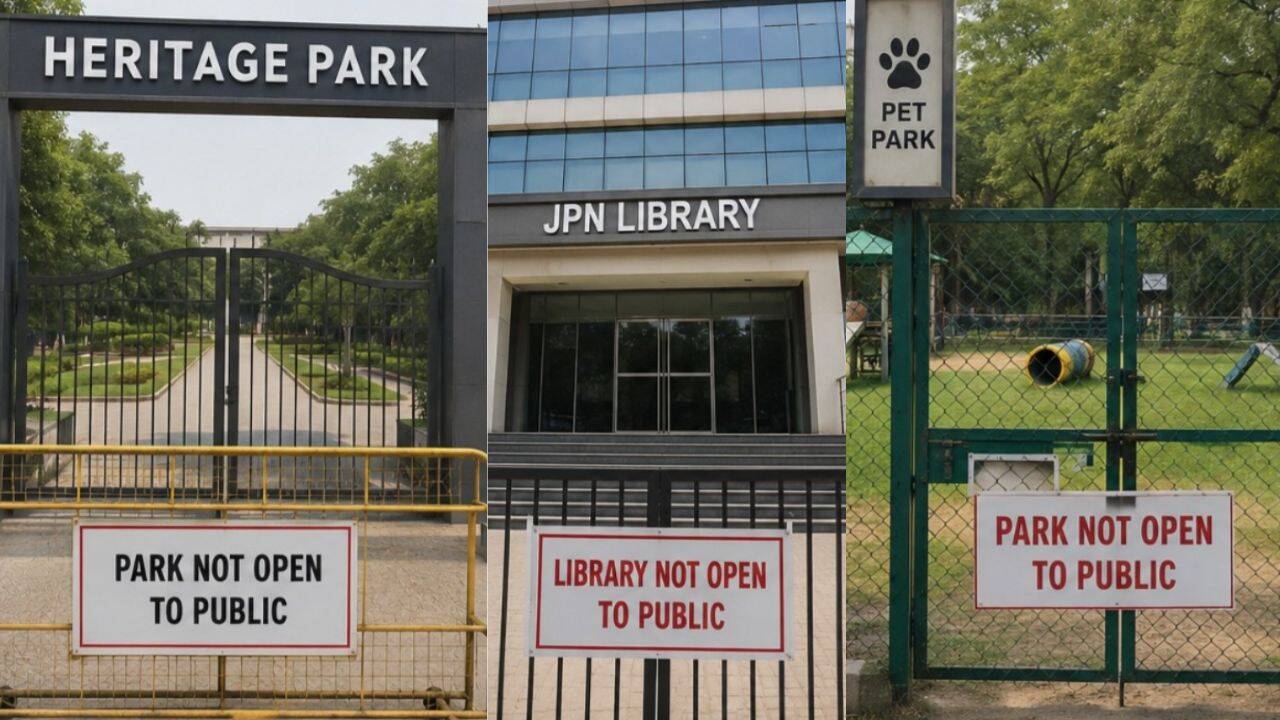
Three major public facilities in Delhi have been completed and paid for by taxpayers, yet remain locked away from residents due to administrative delays and bureaucratic hurdles. The Heritage Park in Karol Bagh, a pet park in Jangpura, and the JPN Library are among the projects that have been fully constructed but continue to languish without opening to the public. This prolonged closure represents a significant waste of public investment and leaves citizens unable to benefit from amenities designed specifically for them.
The delays plaguing these projects appear rooted in procedural complications rather than financial constraints. Even facilities like the JPN Library, which faced no budgetary obstacles, have been caught in red tape. Officials cite various administrative protocols and clearance requirements as reasons for the extended closure periods, though critics argue such bureaucratic processes should have been resolved before or immediately after construction completion.
This pattern reflects a broader challenge within Delhi's civic administration. Completed infrastructure projects often spend months or even years in limbo between construction finish and public handover, during which the facilities deteriorate and justify their initial expense becomes increasingly difficult. Citizens who contribute through taxes see their money spent on facilities they cannot access, eroding public trust in municipal delivery systems.
The delayed openings particularly impact communities that lack alternative recreational and cultural spaces. Residents in areas like Karol Bagh and Jangpura have been unable to utilize parks and libraries that could enhance their quality of life. The situation raises questions about municipal capacity to manage project handovers efficiently and maintain timelines that serve the public interest.
These closures underscore the need for reformed administrative protocols that ensure faster transitions from construction completion to public access. Municipal authorities face mounting pressure to streamline clearance processes and establish accountability for delays that prevent taxpayer-funded amenities from serving their intended purpose.
Source: Times of India