NCERT Rewrites Judiciary Lesson
NCERT rewrites judiciary lesson, removes 'corruption' and updates PIL information.

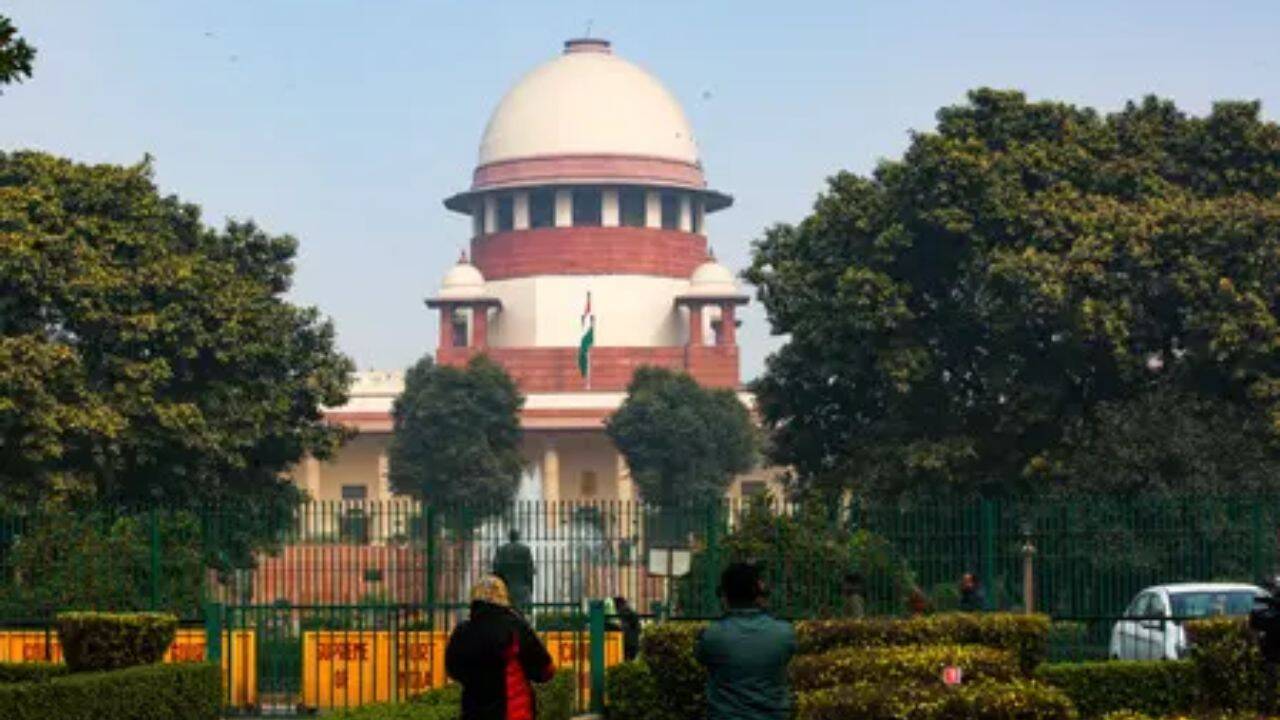
The National Council of Educational Research and Training (NCERT) has rewritten its judiciary lesson for students, following a recent Supreme Court row. The revised lesson removes the mention of 'corruption' in the judiciary and updates information on Public Interest Litigations (PILs).
The decision to revise the lesson was made after the Supreme Court faced criticism over its handling of certain cases. The court had been accused of being too slow in hearing important matters and of having a biased approach towards certain petitions.
NCERT officials stated that the revision was necessary to provide students with accurate and up-to-date information about the judiciary. They also said that the changes were made to ensure that the lesson is in line with the current judicial system.
The revised lesson includes new information on the role of PILs in the Indian judicial system. It explains how PILs can be used to bring attention to important social and environmental issues. The lesson also updates the information on the hierarchy of the Indian judiciary and the powers of the Supreme Court.
The revision of the judiciary lesson is expected to have a significant impact on how students learn about the Indian judicial system. It will provide them with a more accurate understanding of the role of the judiciary in the country and the importance of PILs in bringing about social change.
The NCERT has also announced plans to review and revise other lessons in the political science textbook to ensure that they are in line with the current political and social landscape. The review process is expected to take several months, during which time the NCERT will consult with experts and stakeholders to ensure that the revisions are accurate and relevant.
The move to revise the judiciary lesson has been welcomed by educators and students, who believe that it will help to promote a better understanding of the Indian judicial system and its role in promoting social justice.