E25 Fuel Testing Underway, No Rollout Decision Yet
E25 fuel testing is ongoing, but no decision on rollout. Ministers discuss ethanol's impact on mileage.

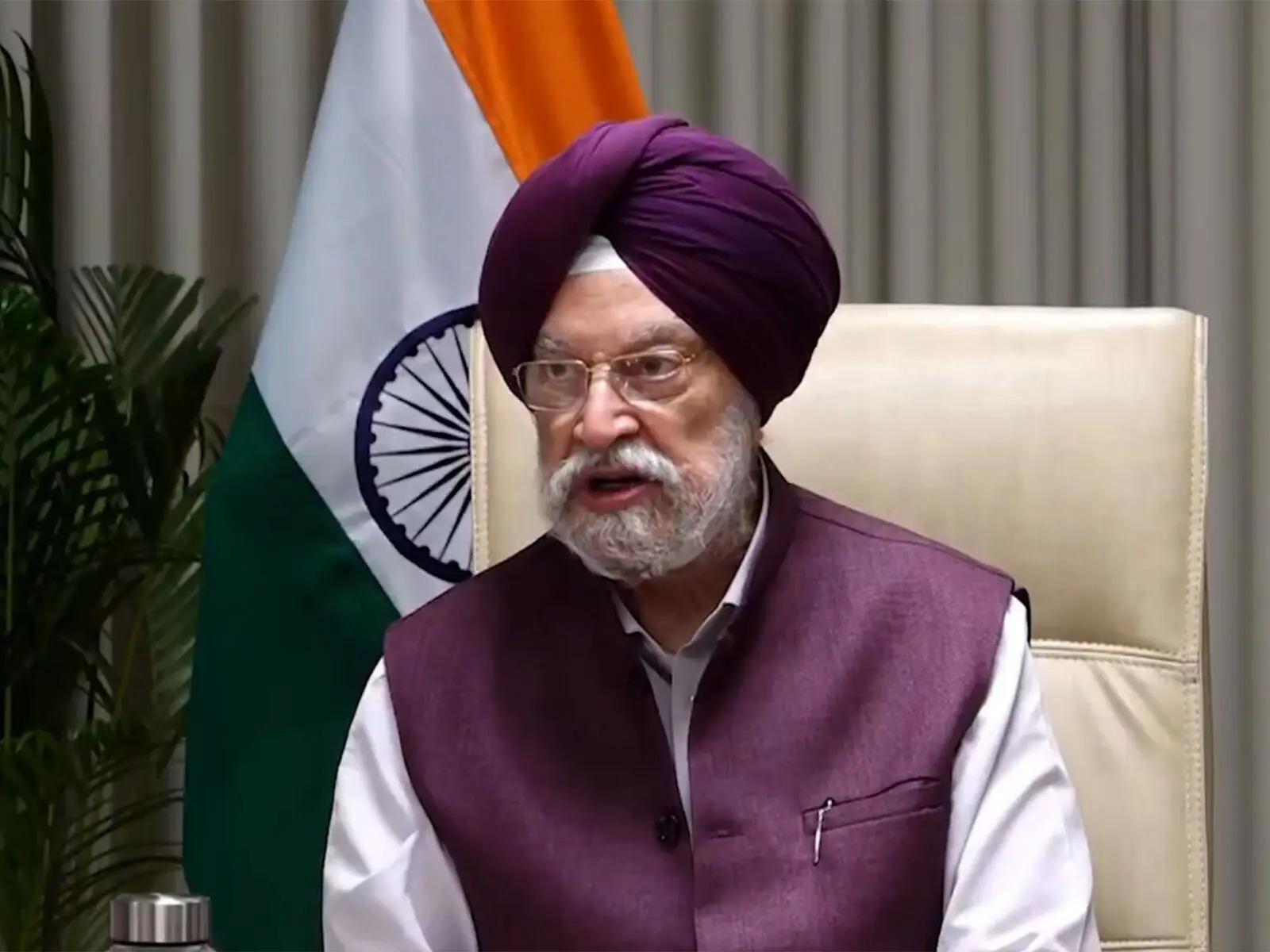
The Indian government is currently testing E25 fuel, a blend of 25% ethanol and 75% gasoline, according to Petroleum Minister Hardeep Singh Puri. However, no decision has been made regarding the rollout of this fuel blend.
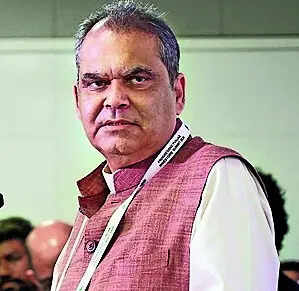
Minister Puri confirmed that testing is underway to assess the feasibility of E25 fuel. Meanwhile, Road Transport Minister Nitin Gadkari noted that ethanol has a lower calorific value, which can impact mileage slightly. He emphasized the importance of offering people choices of alternative fuels, depending on the region.
Gadkari's statement suggests that the government is considering a flexible approach to alternative fuels, taking into account regional differences. This could involve introducing different fuel blends in various parts of the country, depending on local conditions and demand.
Minister Puri also addressed concerns about engine damage caused by ethanol blends. He stated that past complaints about engine damage were attributed to other causes, rather than the ethanol content itself. This clarification is likely to reassure vehicle manufacturers and owners who have expressed concerns about the compatibility of ethanol blends with existing engines.
The testing of E25 fuel is part of the government's efforts to increase the use of ethanol in the transportation sector. Ethanol is a renewable energy source that can help reduce dependence on fossil fuels and lower greenhouse gas emissions. The government has set ambitious targets for ethanol blending, aiming to achieve 20% ethanol blending in gasoline by 2025.
The introduction of E25 fuel could have significant implications for the environment, as well as the automotive industry. If successful, it could lead to a reduction in carbon emissions and help India meet its climate change goals. However, it will also require significant investments in infrastructure, including the development of compatible vehicles and fueling stations.
The government's decision to test E25 fuel is a positive step towards promoting alternative fuels and reducing dependence on fossil fuels. As the testing process continues, it is likely that more information will become available about the potential benefits and challenges of E25 fuel.
In the context of India's energy landscape, the introduction of E25 fuel could be a significant development. The country is heavily reliant on imported fossil fuels, which can be volatile and subject to price fluctuations. By promoting alternative fuels like ethanol, the government can reduce this dependence and improve energy security.
Overall, the testing of E25 fuel is an important step towards a more sustainable energy future for India. While no decision has been made on the rollout of this fuel blend, the government's commitment to testing and evaluating its feasibility is a positive sign. As the country continues to navigate the challenges of energy security and climate change, the development of alternative fuels like E25 will be critical to achieving a more sustainable and environmentally friendly transportation sector.
The outcome of the E25 fuel testing will be closely watched by stakeholders in the energy and automotive sectors. If the results are positive, it could pave the way for the introduction of higher ethanol blends in the future, leading to a significant reduction in greenhouse gas emissions and improved air quality.
In conclusion, the testing of E25 fuel is a significant development in India's efforts to promote alternative fuels and reduce dependence on fossil fuels. While no decision has been made on the rollout of this fuel blend, the government's commitment to testing and evaluating its feasibility is a positive sign. As the country continues to navigate the challenges of energy security and climate change, the development of alternative fuels like E25 will be critical to achieving a more sustainable and environmentally friendly transportation sector.