Maharashtra Govt Vows To Protect Konkan's Rock Art
Konkan's prehistoric rock art to be preserved, Maharashtra govt assures. Development projects to ensure protection.

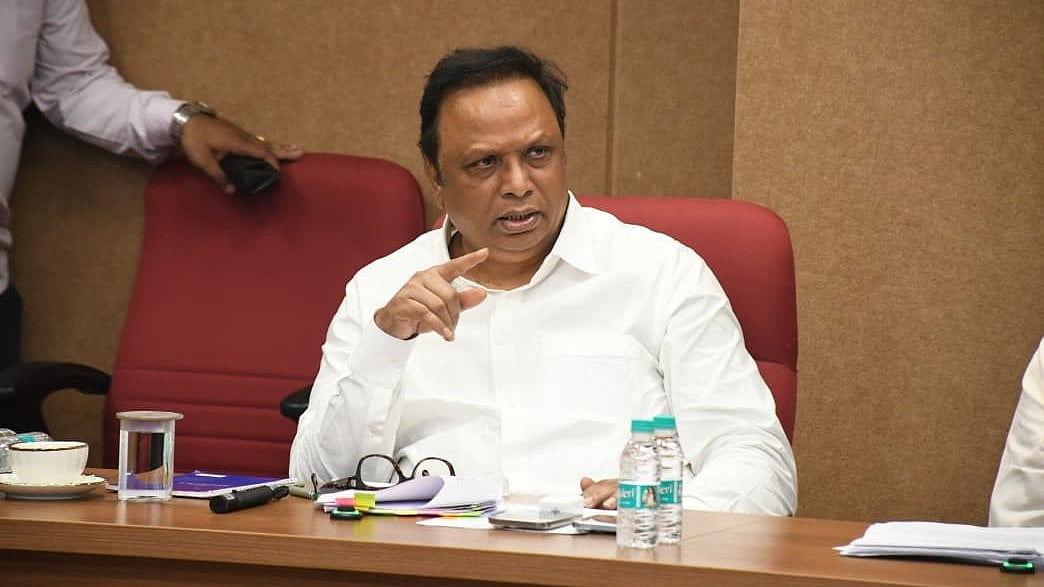
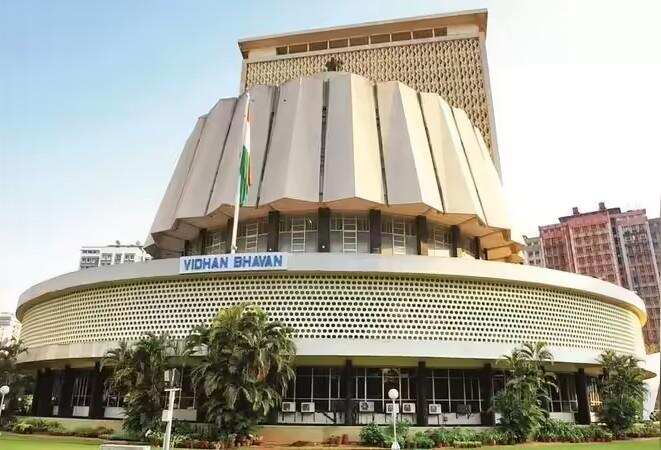
The Maharashtra government has assured that all future development projects in the Konkan region will be undertaken only after ensuring complete protection of the region's prehistoric rock carvings. This announcement was made by Cultural Affairs Minister Adv. Ashish Shelar in the Legislative Assembly on Tuesday.
The issue of preserving the ancient geoglyphs was raised through a starred question by MLA Vitthal Langhe, with several other MLAs participating in the discussion. Shelar informed the House that over 2,000 rock art engravings have been discovered in a 300-km-long and 25-km-wide belt in Ratnagiri district. He described the geoglyphs as invaluable evidence of prehistoric societies and human evolution, stressing that their conservation would remain the government's top priority.
The government has prepared a comprehensive action plan for the preservation, documentation, and tourism development of the sites. Under this plan, a 45-minute cinematic documentary will be produced using AI-assisted visual reconstruction to depict prehistoric life and culture. Separate eight-minute documentaries will also be created for each of the nine rock art sites included in UNESCO's Tentative World Heritage List, along with their buffer zones. The project will create a permanent digital archive containing raw footage, drone-based aerial cinematography, and high-resolution photographs of all sites.
The minister also said that the government has prepared plans to improve tourism infrastructure around the heritage sites while ensuring their protection. Construction of protective walls and other conservation-related works has already begun, and measures have been designed to benefit private landowners whose properties contain many of the rock art sites. Addressing concerns over the impact of future infrastructure projects, Shelar assured the Assembly that no development work would be allowed without prior approval from the Archaeological Survey of India and the State Department of Archaeology.
The government has allocated ₹14.50 crore for the project, which will also include the development of digital promotional content, including social media campaigns, infographics, and educational resources. The material will be used to raise awareness about the importance of preserving the rock art and to promote tourism in the region. With this initiative, the Maharashtra government aims to strike a balance between development and conservation, ensuring that the state's rich cultural heritage is protected for future generations.
The project is expected to boost tourism in the Konkan region, creating new opportunities for local communities and promoting economic growth. However, the government's commitment to preserving the rock art will also ensure that the development is sustainable and responsible, minimizing the impact on the environment and the cultural heritage of the region. As the project moves forward, it will be important to monitor its progress and ensure that the government's assurances are translated into action, protecting the precious rock art of Konkan for years to come.
In conclusion, the Maharashtra government's initiative to preserve the Konkan's prehistoric rock art is a significant step towards protecting the state's cultural heritage. With a comprehensive action plan in place, the government is committed to ensuring that the rock art is protected and preserved for future generations, while also promoting tourism and economic growth in the region. The success of this project will depend on the government's ability to balance development and conservation, and it will be important to continue monitoring the progress of the project to ensure that the rock art is protected and preserved for years to come.