Ashneer Grover Slams Possible UPI Transaction Charges
BharatPe co-founder criticizes potential fees on UPI transactions above ₹2,000
'%3E%3Crect%20width%3D'96'%20height%3D'96'%20fill%3D'%230B6E4F'%2F%3E%3Ccircle%20cx%3D'30'%20cy%3D'24'%20r%3D'44'%20fill%3D'%23fff'%20opacity%3D'.12'%2F%3E%3Ccircle%20cx%3D'60'%20cy%3D'74'%20r%3D'40'%20fill%3D'%23000'%20opacity%3D'.10'%2F%3E%3C%2Fg%3E%3Cg%20fill%3D'none'%20stroke%3D'%23fff'%20stroke-width%3D'3.2'%20stroke-linecap%3D'round'%20stroke-linejoin%3D'round'%3E%3Cpolyline%20points%3D'31%2C59%2041%2C49%2049%2C54%2063%2C37'%2F%3E%3Cpolyline%20points%3D'55%2C37%2063%2C37%2063%2C45'%2F%3E%3C%2Fg%3E%3C%2Fsvg%3E)
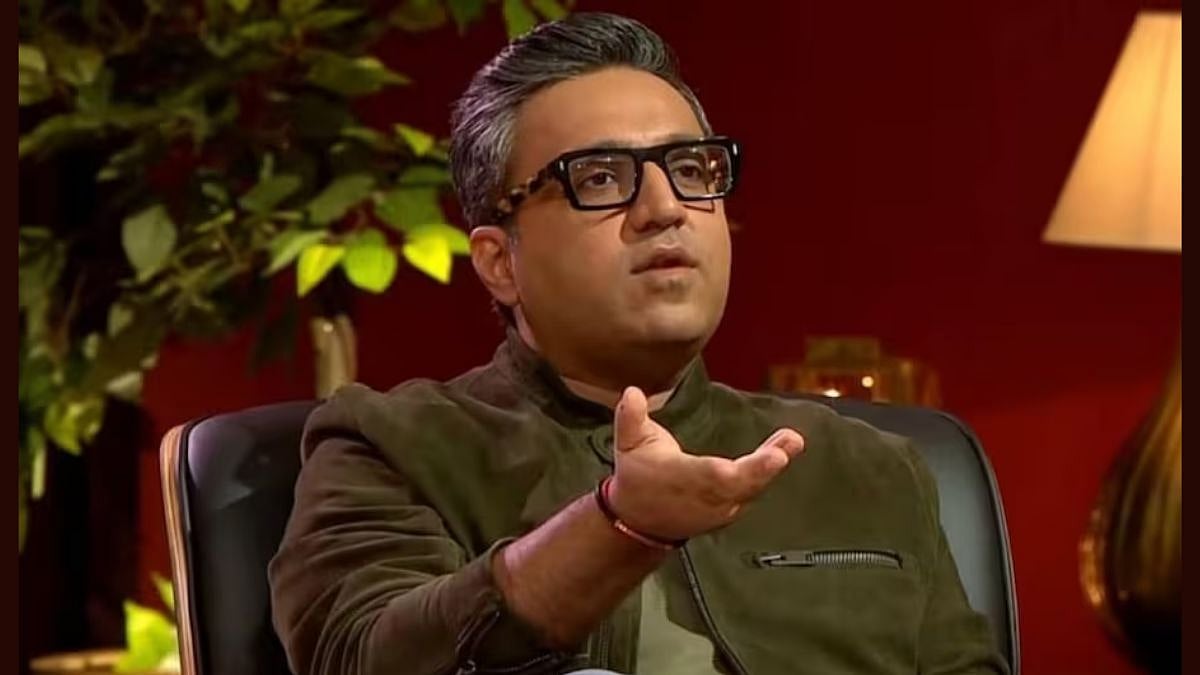
BharatPe co-founder Ashneer Grover has expressed strong opposition to the possibility of levying charges on Unified Payments Interface (UPI) transactions above ₹2,000. In an interview with CNN-News18, Grover argued that introducing fees on UPI transactions would be a backdoor way of collecting tax and could push India back toward a cash-driven economy.
Grover questioned the need for the government to interfere with a payment system that has already proven itself, citing the success of UPI in promoting digital payments in India. He also pointed out that transactions above ₹2,000 make up only about 4% of UPI transactions by volume but account for roughly 66% of their total value.
The government had recently issued a notification barring banks and payment providers from charging users on UPI transactions up to ₹2,000 or on RuPay debit card payments. However, the notification left the door open for charges on larger transactions, particularly those made by merchants. Grover took issue with this threshold, arguing that it would allow the government to tax the bulk of UPI's transaction value while claiming to protect individual transactions.
Grover warned that if merchants are permitted to charge a Merchant Discount Rate on bigger transactions, businesses could simply refuse UPI payments over the threshold and push customers toward cash instead. This, he said, would lead to more ATMs, higher cash-handling costs for banks, and ultimately more expense than any revenue the charges might generate.
He also predicted that consumers could simply split large payments into smaller UPI transactions to dodge any fee altogether. Grover questioned the need for a revenue model, citing the Reserve Bank of India's surplus transfer to the government, total listed bank profits, and NPCI's pre-tax surplus.
The NPCI Committee is set to decide on UPI MDR charges soon, and Grover's comments come as a warning against the potential consequences of introducing fees on UPI transactions. The move could potentially reverse India's digital payments gains and push the country back toward a cash-driven economy.
In recent years, India has made significant progress in promoting digital payments, with UPI transactions playing a major role in this effort. The introduction of fees on UPI transactions could undermine this progress and have far-reaching consequences for the economy.
The government's decision to leave the door open for charges on larger transactions has sparked debate, with some arguing that it could lead to a more sustainable revenue model for digital payments. However, others, like Grover, argue that it could have unintended consequences and undermine the progress made in promoting digital payments.
As the NPCI Committee prepares to decide on UPI MDR charges, it remains to be seen how the government will balance the need for a revenue model with the potential consequences of introducing fees on UPI transactions. One thing is certain, however: the decision will have a significant impact on the future of digital payments in India.
In conclusion, the possibility of levying charges on UPI transactions above ₹2,000 has sparked a heated debate, with some arguing that it could lead to a more sustainable revenue model and others warning that it could push India back toward a cash-driven economy. As the government and regulatory bodies weigh their options, it is essential to consider the potential consequences of such a move and ensure that any decision made is in the best interest of the economy and the people.
The future of digital payments in India hangs in the balance, and the decision on UPI MDR charges will be a crucial one. It is essential to promote digital payments and ensure that they remain a convenient and cost-effective option for consumers and businesses alike. Any decision that undermines this progress could have far-reaching consequences and potentially reverse the gains made in recent years.
In the end, it is crucial to strike a balance between the need for a revenue model and the potential consequences of introducing fees on UPI transactions. The government and regulatory bodies must carefully consider the options and ensure that any decision made is in the best interest of the economy and the people.
Frequently asked questions
What is the proposed threshold for UPI transaction charges?
The proposed threshold is ₹2,000, above which charges may be levied.
Why is Ashneer Grover opposed to UPI transaction charges?
Grover argues that introducing fees on UPI transactions would be a backdoor way of collecting tax and could push India back toward a cash-driven economy.