NUCFDC to Bridge Expertise Gap in Co-operative Banks
India's co-operative banking sector is transforming. NUCFDC can help bridge the expertise gap.
'%3E%3Crect%20width%3D'96'%20height%3D'96'%20fill%3D'%23B3261E'%2F%3E%3Ccircle%20cx%3D'30'%20cy%3D'24'%20r%3D'44'%20fill%3D'%23fff'%20opacity%3D'.12'%2F%3E%3Ccircle%20cx%3D'60'%20cy%3D'74'%20r%3D'40'%20fill%3D'%23000'%20opacity%3D'.10'%2F%3E%3C%2Fg%3E%3Cg%20fill%3D'%23fff'%3E%3Crect%20x%3D'29'%20y%3D'49'%20width%3D'8'%20height%3D'19'%20rx%3D'1'%2F%3E%3Crect%20x%3D'39'%20y%3D'40'%20width%3D'9'%20height%3D'28'%20rx%3D'1'%2F%3E%3Crect%20x%3D'50'%20y%3D'45'%20width%3D'8'%20height%3D'23'%20rx%3D'1'%2F%3E%3Crect%20x%3D'60'%20y%3D'53'%20width%3D'7'%20height%3D'15'%20rx%3D'1'%2F%3E%3Crect%20x%3D'41'%20y%3D'34'%20width%3D'5'%20height%3D'6'%2F%3E%3C%2Fg%3E%3C%2Fsvg%3E)
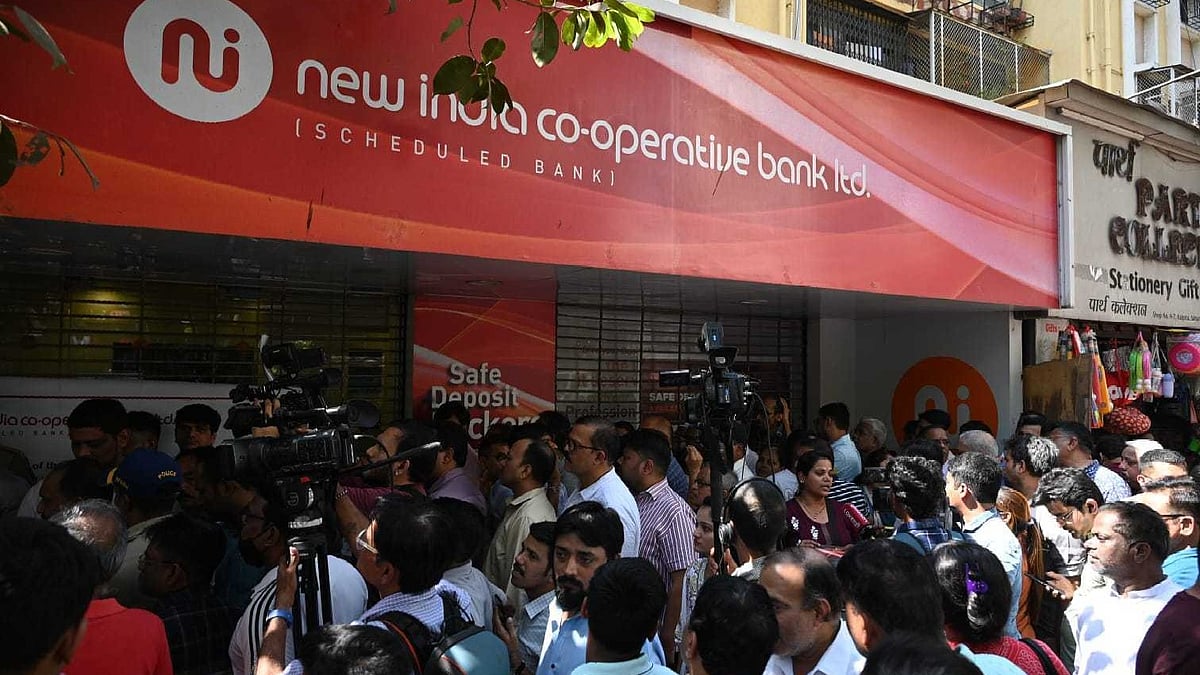
India's co-operative banking sector is undergoing a significant transformation. Urban cooperative banks and other cooperative banks have improved their systems, governance, and financial discipline while continuing to serve small businesses, traders, salaried people, and local communities.
The co-operative banking sector is driven by social service, with directors and chairpersons often contributing their time and experience without substantial remuneration. They gain practical knowledge of banking, lending, recovery, and local economic conditions. However, their smaller scale creates an economic challenge. Their loan volumes are limited, while technology, compliance, cybersecurity, manpower, and regulatory costs keep rising.
In lending, co-operative banks may require substantially higher security against loans. For instance, a co-operative bank with over 30 branches earning around ₹5 crore profit could see a significant share consumed if required to appoint several highly paid professionals to its Board and managerial positions.
The government and RBI rightly seek stronger governance, expertise, risk management, transparency, and technology, but professionalisation should not weaken smaller banks. The National Urban Cooperative Finance and Development Corporation (NUCFDC) has been established as an umbrella organisation for urban co-operative banks with the support of the ministry of cooperation and RBI.
NUCFDC provides shared IT infrastructure, operational support, technology, training, consultancy, and fund-based and non-fund-based services. Its 'Bank in a Box' concept offers core banking, digital payments, cloud, cybersecurity, and compliance services affordably. This shared-cost model should extend to professional resources.
Instead of every small or medium-sized bank separately employing expensive specialists in cybersecurity, information technology, treasury, legal compliance, risk management, and human resources, NUCFDC could maintain panels of qualified experts available when required. Its proposed services already include HR support for searching for directors, key managerial personnel, and staff.
Professionalisation should not mean that experienced elected directors are treated as incapable merely because they do not possess formal professional qualifications. A director who has helped run a co-operative bank for 15 or 20 years may possess valuable knowledge of businesses, borrowers, recovery problems, and member expectations.
Boards should combine specialised professional expertise with practical cooperative banking experience. The Government has recognised resource pooling as a strength of the co-operative movement. Applying it to professional management can reduce costs while giving smaller banks access to high-quality expertise across the banking system.
In conclusion, NUCFDC can play a crucial role in bridging the expertise gap in co-operative banks, enabling them to professionalise without losing their spirit. By providing shared resources and expertise, NUCFDC can help smaller banks access high-quality expertise, reduce costs, and improve their governance and risk management.
This development is significant for India's co-operative banking sector, which serves a large number of small businesses, traders, and local communities. With NUCFDC's support, co-operative banks can continue to serve their members while adopting best practices in governance, risk management, and technology.
The transformation of India's co-operative banking sector is a positive step towards strengthening the sector and improving its services to members. With the right support and resources, co-operative banks can continue to thrive and serve their communities effectively.
The role of NUCFDC in bridging the expertise gap in co-operative banks is critical. By providing shared resources and expertise, NUCFDC can help co-operative banks access high-quality expertise, reduce costs, and improve their governance and risk management. This can enable co-operative banks to professionalise without losing their spirit and continue to serve their members effectively.
In the long run, the transformation of India's co-operative banking sector can have a positive impact on the economy and society. By strengthening the sector and improving its services, co-operative banks can contribute to the growth and development of small businesses, traders, and local communities.
Overall, the development of NUCFDC and its role in bridging the expertise gap in co-operative banks is a significant step towards strengthening India's co-operative banking sector. With the right support and resources, co-operative banks can continue to thrive and serve their communities effectively, contributing to the growth and development of the economy and society.
The significance of this development for Mumbai and India lies in its potential to strengthen the co-operative banking sector, which serves a large number of small businesses, traders, and local communities. By providing shared resources and expertise, NUCFDC can help co-operative banks access high-quality expertise, reduce costs, and improve their governance and risk management.
This can enable co-operative banks to professionalise without losing their spirit and continue to serve their members effectively, contributing to the growth and development of small businesses, traders, and local communities. In the long run, this can have a positive impact on the economy and society, making it a significant development for Mumbai and India.
In conclusion, the transformation of India's co-operative banking sector and the role of NUCFDC in bridging the expertise gap are significant developments that can have a positive impact on the economy and society. By strengthening the sector and improving its services, co-operative banks can contribute to the growth and development of small businesses, traders, and local communities, making it a significant development for Mumbai and India.
The development of NUCFDC and its role in bridging the expertise gap in co-operative banks is a critical step towards strengthening India's co-operative banking sector. With the right support and resources, co-operative banks can continue to thrive and serve their communities effectively, contributing to the growth and development of the economy and society.
In the end, the transformation of India's co-operative banking sector and the role of NUCFDC in bridging the expertise gap are significant developments that can have a positive impact on the economy and society. By providing shared resources and expertise, NUCFDC can help co-operative banks access high-quality expertise, reduce costs, and improve their governance and risk management, enabling them to professionalise without losing their spirit and continue to serve their members effectively.
This development is significant for Mumbai and India, as it can contribute to the growth and development of small businesses, traders, and local communities, making it a positive step towards strengthening the co-operative banking sector and improving its services to members.
The significance of this development for Mumbai and India lies in its potential to strengthen the co-operative banking sector, which serves a large number of small businesses, traders, and local communities. By providing shared resources and expertise, NUCFDC can help co-operative banks access high-quality expertise, reduce costs, and improve their governance and risk management.
This can enable co-operative banks to professionalise without losing their spirit and continue to serve their members effectively, contributing to the growth and development of small businesses, traders, and local communities. In the long run, this can have a positive impact on the economy and society, making it a significant development for Mumbai and India.
In conclusion, the transformation of India's co-operative banking sector and the role of NUCFDC in bridging the expertise gap are significant developments that can have a positive impact on the economy and society. By strengthening the sector and improving its services, co-operative banks can contribute to the growth and development of small businesses, traders, and local communities, making it a significant development for Mumbai and India.
What it means for Mumbai and India is that the co-operative banking sector can continue to thrive and serve its communities effectively, contributing to the growth and development of the economy and society. The development of NUCFDC and its role in bridging the expertise gap in co-operative banks is a critical step towards achieving this goal.
In the end, the transformation of India's co-operative banking sector and the role of NUCFDC in bridging the expertise gap are significant developments that can have a positive impact on the economy and society. By providing shared resources and expertise, NUCFDC can help co-operative banks access high-quality expertise, reduce costs, and improve their governance and risk management, enabling them to professionalise without losing their spirit and continue to serve their members effectively.
This development is significant for Mumbai and India, as it can contribute to the growth and development of small businesses, traders, and local communities, making it a positive step towards strengthening the co-operative banking sector and improving its services to members.
Frequently asked questions
What is NUCFDC and its role in co-operative banks?
NUCFDC is an umbrella organisation for urban co-operative banks, providing shared IT infrastructure, operational support, technology, training, consultancy, and fund-based and non-fund-based services.
How can NUCFDC help co-operative banks?
NUCFDC can help co-operative banks access high-quality expertise, reduce costs, and improve their governance and risk management, enabling them to professionalise without losing their spirit and continue to serve their members effectively.