Iran Appoints Hardliners Amid US Pressure
Iran's leadership tightens grip, resists US pressure and domestic dissent. Hardliners appointed to key positions.
'%3E%3Crect%20width%3D'96'%20height%3D'96'%20fill%3D'%234A235A'%2F%3E%3Ccircle%20cx%3D'30'%20cy%3D'24'%20r%3D'44'%20fill%3D'%23fff'%20opacity%3D'.12'%2F%3E%3Ccircle%20cx%3D'60'%20cy%3D'74'%20r%3D'40'%20fill%3D'%23000'%20opacity%3D'.10'%2F%3E%3C%2Fg%3E%3Cg%20fill%3D'none'%20stroke%3D'%23fff'%20stroke-width%3D'3'%3E%3Ccircle%20cx%3D'48'%20cy%3D'48'%20r%3D'16'%2F%3E%3Cellipse%20cx%3D'48'%20cy%3D'48'%20rx%3D'6.5'%20ry%3D'16'%2F%3E%3Cline%20x1%3D'32'%20y1%3D'42'%20x2%3D'64'%20y2%3D'42'%2F%3E%3Cline%20x1%3D'32'%20y1%3D'54'%20x2%3D'64'%20y2%3D'54'%2F%3E%3C%2Fg%3E%3C%2Fsvg%3E)
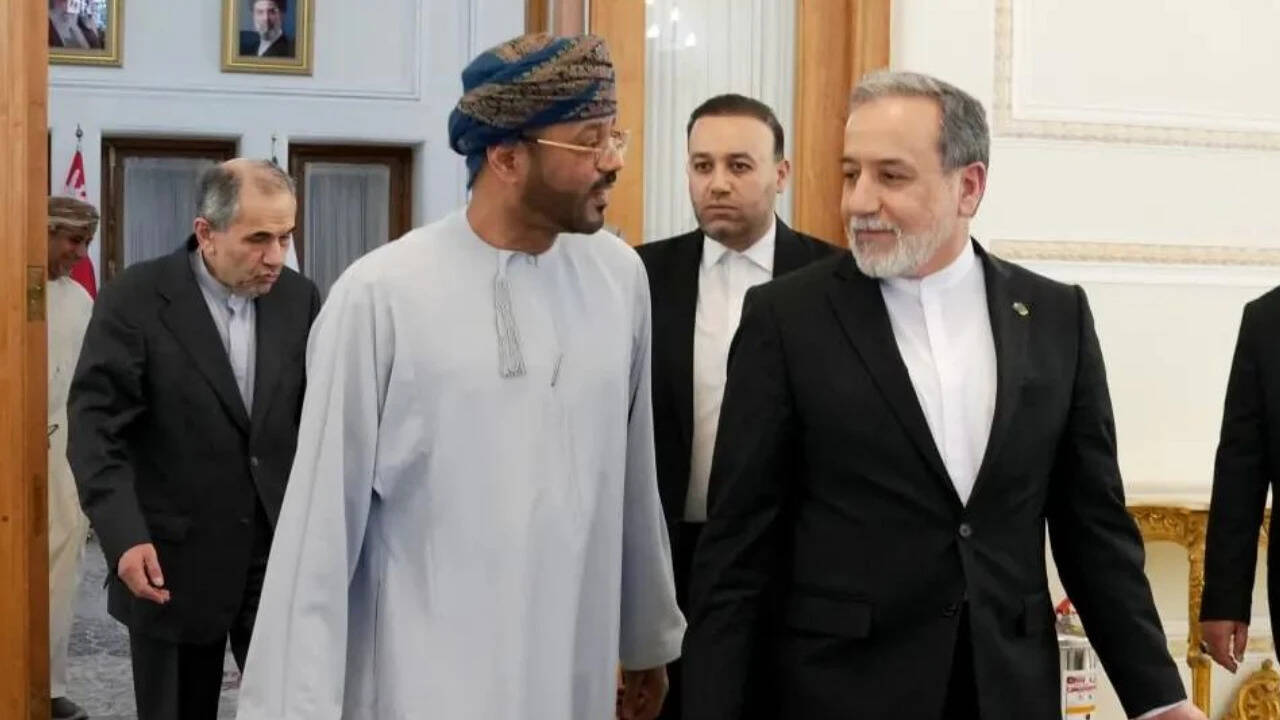
Iran's leadership has taken a significant step in consolidating power by appointing hard-line military and security officials to key positions. This move is seen as a direct response to the prolonged confrontation and economic pressure from the US. The new appointments signal a strong resistance to US pressure and a crackdown on domestic dissent.
The appointments come at a time when Iran is facing significant challenges, both internally and externally. The country's leadership is preparing for potential unrest and further conflict, and the consolidation of power is aimed at maintaining unity and stability. The hardliners are tightening their grip around the new supreme leader, Ayatollah Mojtaba Khamenei, who is expected to play a crucial role in shaping the country's response to the current crisis.
The US has been applying significant pressure on Iran, with economic sanctions and diplomatic isolation. The Iranian leadership has responded by adopting a tough stance, refusing to back down in the face of pressure. The appointment of hardliners to key positions is seen as a reflection of this stance, and a signal that Iran is prepared to resist US pressure and maintain its independence.
The consolidation of power in Iran is also aimed at cracking down on domestic dissent. The country has seen significant protests and unrest in recent months, with many Iranians expressing dissatisfaction with the government's handling of the economy and other issues. The appointment of hardliners to key positions is seen as a move to suppress these protests and maintain control.
The situation in Iran is complex and fluid, with many different factors at play. The country's leadership is facing significant challenges, both internally and externally, and the consolidation of power is aimed at maintaining stability and unity. However, the appointment of hardliners to key positions has raised concerns about the potential for further conflict and human rights abuses.
In the coming months, it is likely that Iran will continue to face significant pressure from the US and other countries. The country's leadership will need to navigate these challenges carefully, balancing the need to maintain unity and stability with the need to respond to the concerns of the Iranian people. The appointment of hardliners to key positions is a significant development, and one that will be closely watched by observers around the world.
The implications of these developments are far-reaching, and will have significant consequences for Iran and the wider region. The consolidation of power in Iran is likely to have a major impact on the country's relations with other countries, and will shape the course of regional politics in the coming months and years.
In conclusion, the appointment of hardliners to key positions in Iran is a significant development that reflects the country's resistance to US pressure and its determination to maintain unity and stability. The consolidation of power is aimed at preparing for potential unrest and further conflict, and will have significant consequences for Iran and the wider region.
Frequently asked questions
What is the current situation in Iran?
Iran's leadership has appointed hard-line military and security officials to key positions, signaling a resistance to US pressure and a crackdown on domestic dissent.
Who is the new supreme leader of Iran?
The new supreme leader of Iran is Ayatollah Mojtaba Khamenei.