Trump Signs New Orders on Birthright Citizenship
US President Donald Trump signs new executive orders, Court setback notwithstanding
'%3E%3Crect%20width%3D'96'%20height%3D'96'%20fill%3D'%234A235A'%2F%3E%3Ccircle%20cx%3D'30'%20cy%3D'24'%20r%3D'44'%20fill%3D'%23fff'%20opacity%3D'.12'%2F%3E%3Ccircle%20cx%3D'60'%20cy%3D'74'%20r%3D'40'%20fill%3D'%23000'%20opacity%3D'.10'%2F%3E%3C%2Fg%3E%3Cg%20fill%3D'none'%20stroke%3D'%23fff'%20stroke-width%3D'3'%3E%3Ccircle%20cx%3D'48'%20cy%3D'48'%20r%3D'16'%2F%3E%3Cellipse%20cx%3D'48'%20cy%3D'48'%20rx%3D'6.5'%20ry%3D'16'%2F%3E%3Cline%20x1%3D'32'%20y1%3D'42'%20x2%3D'64'%20y2%3D'42'%2F%3E%3Cline%20x1%3D'32'%20y1%3D'54'%20x2%3D'64'%20y2%3D'54'%2F%3E%3C%2Fg%3E%3C%2Fsvg%3E)
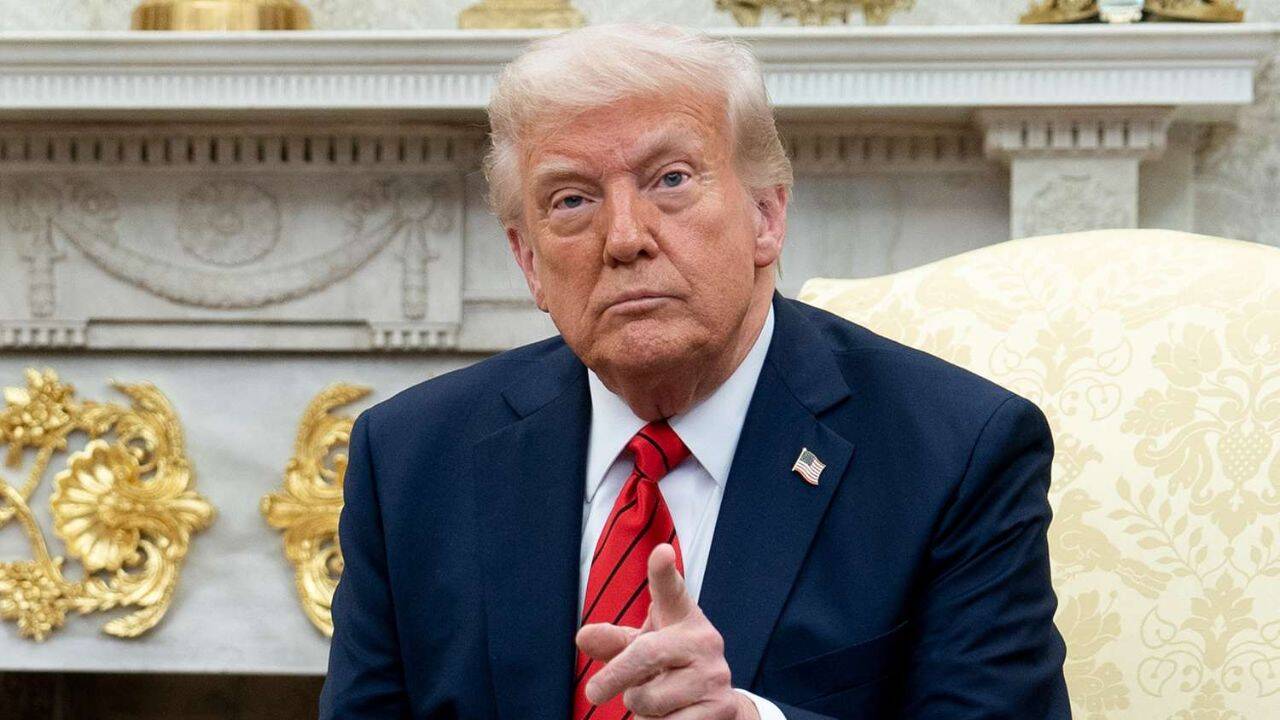
US President Donald Trump has signed new executive orders related to birthright citizenship, despite facing a recent court setback. This move is the latest in a series of attempts by the Trump administration to revisit the policy of granting automatic citizenship to children born in the United States to non-citizen parents.
The concept of birthright citizenship is enshrined in the 14th Amendment to the US Constitution, which states that all persons born or naturalized in the United States are citizens of the country. However, the Trump administration has argued that this policy is being abused by individuals who come to the US solely to give birth and obtain citizenship for their children.
The new executive orders are intended to address what the administration sees as loopholes in the current system. They aim to clarify the definition of citizenship and tighten the rules for acquiring it. The orders also seek to reduce the number of individuals who can claim citizenship through birth in the US.
The Trump administration's efforts to reform birthright citizenship have been met with significant opposition from civil rights groups and immigrant advocacy organizations. These groups argue that the policy changes are unconstitutional and would unfairly target certain groups of people, particularly immigrants and minorities.
In recent months, the administration has faced several court setbacks in its attempts to implement changes to birthright citizenship. A federal court had blocked an earlier attempt to restrict citizenship for certain individuals, citing concerns about the constitutionality of the policy.
Despite these setbacks, the Trump administration remains committed to reforming birthright citizenship. The new executive orders are seen as a way to bypass the legislative process and achieve the administration's goals through executive action.
The issue of birthright citizenship is complex and contentious, with implications for immigration policy, national security, and the rights of individuals. The Trump administration's efforts to reform the policy are likely to continue to be met with opposition and challenges in the courts.
The signing of the new executive orders has significant implications for the US immigration system and the rights of individuals seeking citizenship. It also highlights the ongoing debate about the meaning and scope of the 14th Amendment, and the role of the executive branch in shaping immigration policy.
In conclusion, the Trump administration's decision to sign new executive orders on birthright citizenship, despite a recent court setback, reflects the ongoing efforts to reform the US immigration system. The move is likely to be met with continued opposition and challenges, and its implications will be closely watched in the coming months.
Frequently asked questions
What is birthright citizenship?
Birthright citizenship refers to the policy of granting automatic citizenship to children born in the United States to non-citizen parents.
Why is the Trump administration trying to change birthright citizenship?
The Trump administration argues that the current policy is being abused and seeks to clarify the definition of citizenship and tighten the rules for acquiring it.