Mumbai Floods Annually Due To Geography, Infrastructure
Mumbai floods every year, extreme rainfall and geography to blame. Aging infrastructure and climate change worsen the issue.

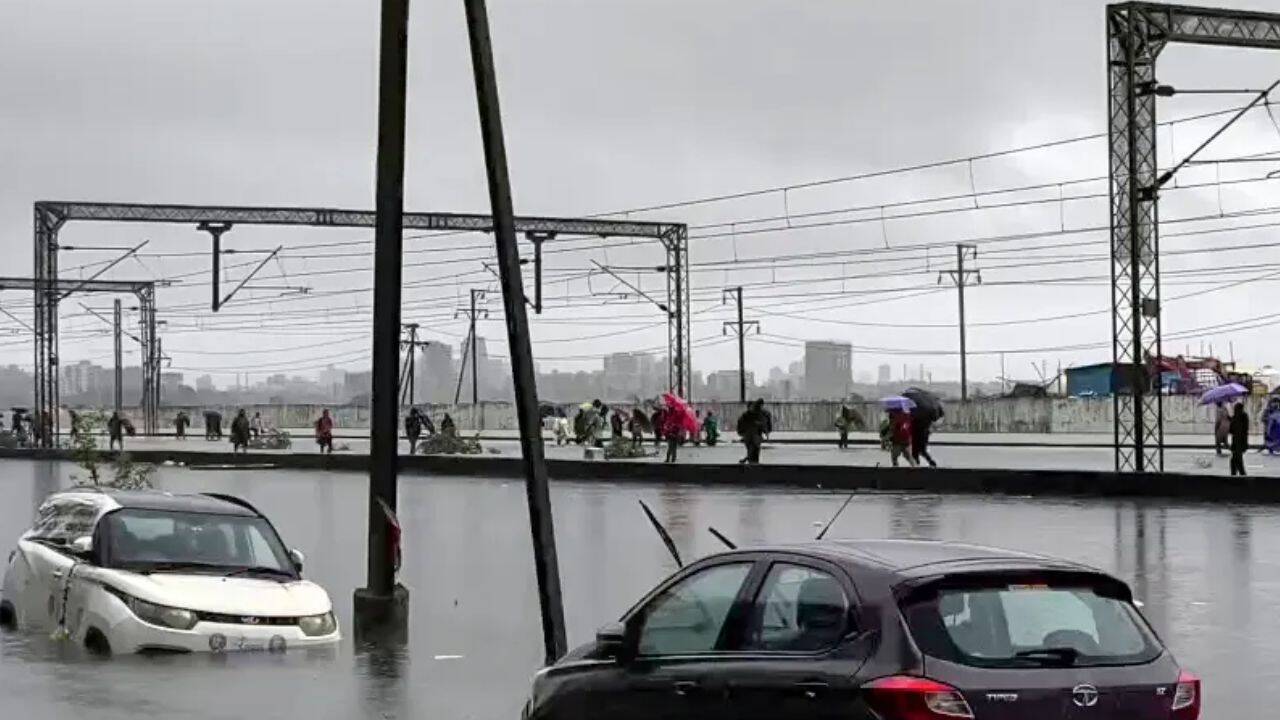
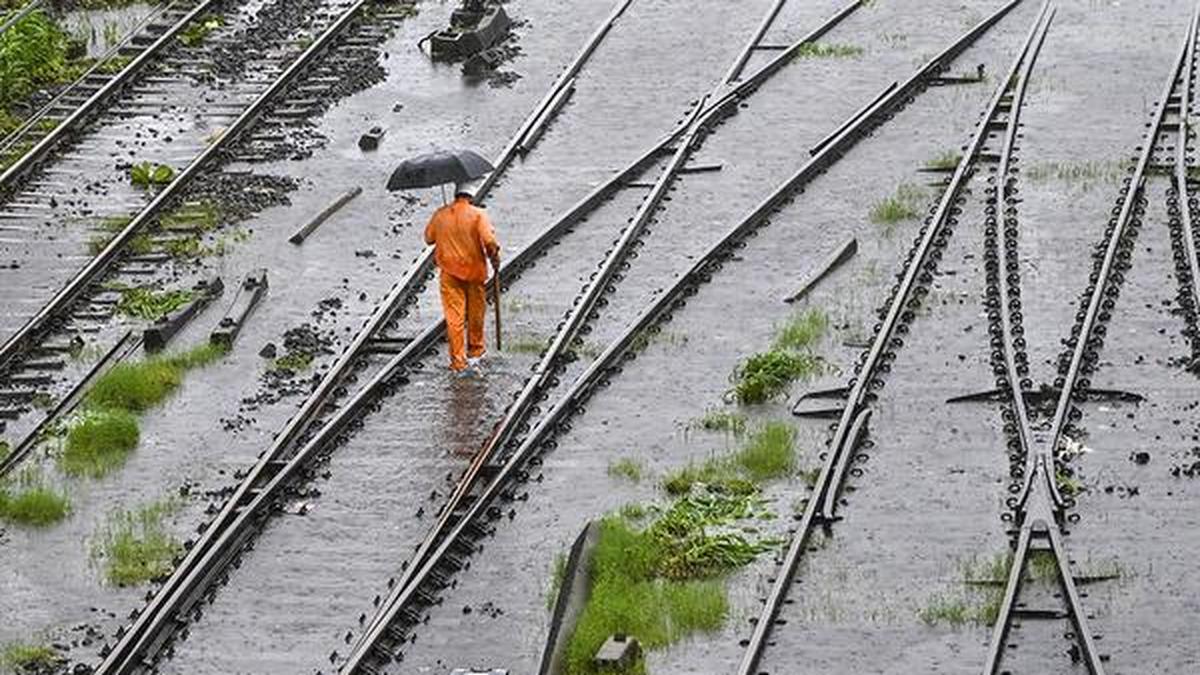
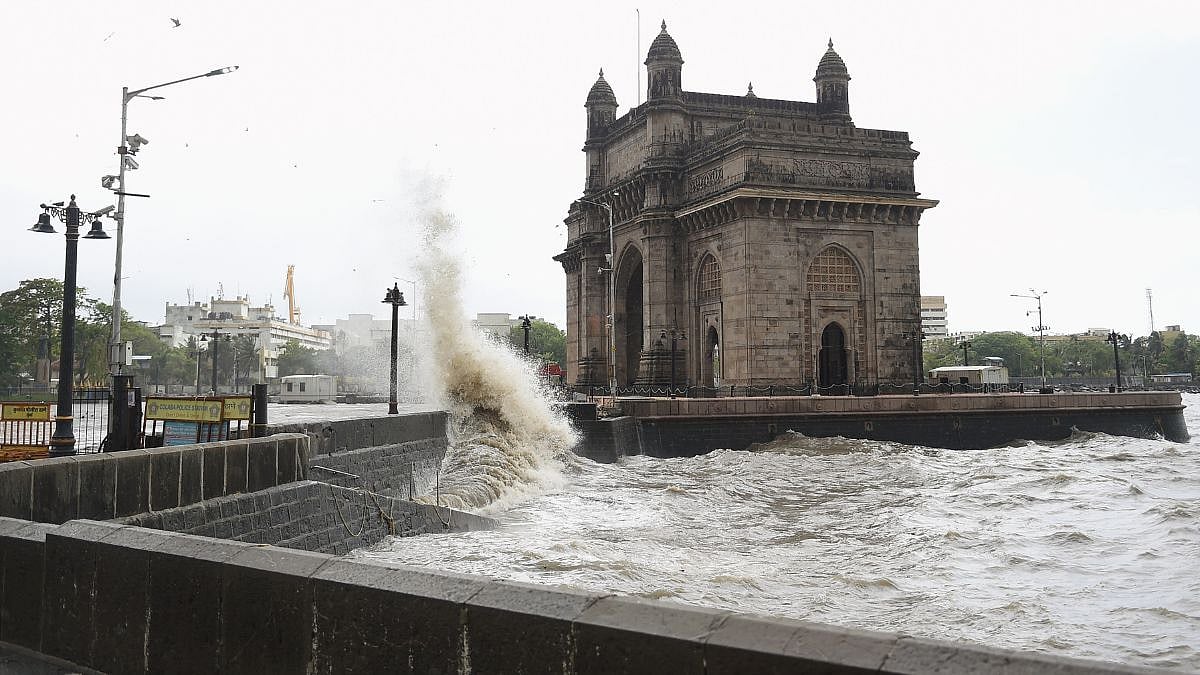
Mumbai's low-lying coastal geography and extreme rainfall make it prone to annual flooding. The city's flooding issues are further complicated by high tides, which impede stormwater drainage, and aging infrastructure that struggles to cope with increased rainfall intensity.
The city's natural buffers, such as mangroves, have diminished over time, leaving it more vulnerable to flooding. Urban growth has also put a strain on existing systems, making it harder for the city to cope with heavy rainfall.
Blocked drains and ongoing construction projects are additional factors that exacerbate the flooding issues in Mumbai. The city's drainage system is often overwhelmed during heavy rainfall, leading to waterlogging and flooding in many areas.
The main reason for Mumbai's flooding is the combination of its geography and infrastructure. The city's low-lying areas are particularly prone to flooding, and the aging infrastructure is not equipped to handle the increased rainfall intensity. Climate change is expected to worsen these challenges, with more frequent and intense rainfall events predicted in the future.
The impact of flooding on Mumbai residents is significant, with many areas of the city becoming inaccessible during heavy rainfall. The flooding also causes damage to property and infrastructure, and can have a major impact on the city's economy.
In the long term, Mumbai will need to implement measures to mitigate the effects of flooding, such as upgrading its drainage infrastructure and restoring natural buffers like mangroves. The city will also need to adapt to the challenges posed by climate change, with more frequent and intense rainfall events expected in the future.
Mumbai's civic authorities will need to take a proactive approach to addressing the city's flooding issues, with a focus on long-term planning and infrastructure upgrades. This will require significant investment and coordination between different stakeholders, but it is essential for reducing the impact of flooding on the city and its residents.