Indore Upgrades 132 kV Power Lines With HTLS Technology
Indore's power infrastructure gets a boost, HTLS technology to increase capacity
'%3E%3Crect%20width%3D'96'%20height%3D'96'%20fill%3D'%23B3261E'%2F%3E%3Ccircle%20cx%3D'30'%20cy%3D'24'%20r%3D'44'%20fill%3D'%23fff'%20opacity%3D'.12'%2F%3E%3Ccircle%20cx%3D'60'%20cy%3D'74'%20r%3D'40'%20fill%3D'%23000'%20opacity%3D'.10'%2F%3E%3C%2Fg%3E%3Cg%20fill%3D'%23fff'%3E%3Crect%20x%3D'29'%20y%3D'49'%20width%3D'8'%20height%3D'19'%20rx%3D'1'%2F%3E%3Crect%20x%3D'39'%20y%3D'40'%20width%3D'9'%20height%3D'28'%20rx%3D'1'%2F%3E%3Crect%20x%3D'50'%20y%3D'45'%20width%3D'8'%20height%3D'23'%20rx%3D'1'%2F%3E%3Crect%20x%3D'60'%20y%3D'53'%20width%3D'7'%20height%3D'15'%20rx%3D'1'%2F%3E%3Crect%20x%3D'41'%20y%3D'34'%20width%3D'5'%20height%3D'6'%2F%3E%3C%2Fg%3E%3C%2Fsvg%3E)
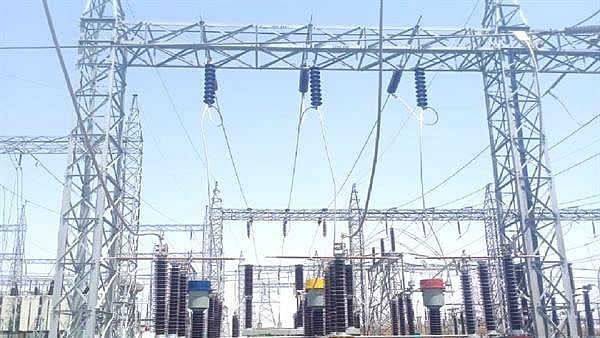
Madhya Pradesh Power Transmission Company (MP Transco) has initiated a major upgrade to Indore's power infrastructure by replacing conventional ACSR Panther conductors with advanced High Temperature Low Sag (HTLS) conductors on key 132 kV transmission lines.
The upgrade aims to increase the current-carrying capacity of the transmission lines by nearly three times, enabling more power to be transferred without the need for new transmission lines. This move is significant, given the rapid urban expansion and construction activity in Indore, which has made it increasingly difficult to secure land and Right of Way (ROW) for new transmission corridors.
Work has begun on both circuits of the 132 kV transmission lines connecting the 220 kV Indore South Zone Substation at Khandwa Road with the 132 kV Chambal Substation through the Electronic Complex and Satya Sai circuits. Additionally, work has commenced on both circuits connecting the 220 kV Indore North Zone Substation at Sanwer Road with the 132 kV Chambal Substation at Pologround.
Along with the transmission lines, MP Transco is also uprating 14 feeder bays at various substations, including the 132 kV Chambal Substation, 220 kV Indore South Zone Substation, and 220 kV Indore North Zone Substation. The associated switchyard and feeder-bay equipment will also be upgraded to handle the higher current-carrying capacity of the HTLS conductors.
The HTLS conductors can operate at higher temperatures than conventional ACSR conductors while maintaining lower sag, allowing substantially more current and, consequently, more electrical power to be transmitted through existing lines. This technology is particularly useful in urban areas where acquiring ROW for new transmission corridors is challenging.
By upgrading existing infrastructure, MP Transco can increase transmission capacity without constructing new corridors. The initiative is expected to improve load management on critical sections of Indore's 132 kV network and provide additional operational margin to handle rising power flows.
The enhanced capacity will support the growing electricity requirements of Indore and adjoining areas while enabling better utilisation of existing infrastructure and reducing the immediate need for new ROW-intensive transmission lines.
The upgrade is a significant step towards strengthening Indore's power infrastructure, and it is expected to have a positive impact on the city's economic and social development. With the increasing demand for electricity, this upgrade will help ensure a reliable and efficient power supply to the city's residents and businesses.
In conclusion, the upgrade of Indore's 132 kV power lines with HTLS technology is a major milestone in the city's power infrastructure development. It will help increase the transmission capacity, improve load management, and support the growing electricity requirements of the city and its adjoining areas.
The success of this project will also serve as a model for other cities in India, where similar upgrades can be implemented to improve the efficiency and reliability of their power infrastructure. As the demand for electricity continues to grow, it is essential to invest in upgrading and modernizing the existing infrastructure to meet the needs of the future.
Overall, the upgrade of Indore's 132 kV power lines with HTLS technology is a significant step towards creating a more efficient, reliable, and sustainable power infrastructure for the city and its residents.
Frequently asked questions
What is HTLS technology?
HTLS stands for High Temperature Low Sag, a technology that allows conductors to operate at higher temperatures while maintaining lower sag, enabling more electrical power to be transmitted through existing lines.
Why is the upgrade necessary?
The upgrade is necessary to meet the growing electricity requirements of Indore and its adjoining areas, and to improve load management on critical sections of the 132 kV network.