Oxford Museum Returns 39 Naga Ancestral Remains To India
Oxford's Pitt Rivers Museum to return ancestral remains to Naga community. Remains taken during colonial era to be repatriated.
'%3E%3Crect%20width%3D'96'%20height%3D'96'%20fill%3D'%231B5E20'%2F%3E%3Ccircle%20cx%3D'30'%20cy%3D'24'%20r%3D'44'%20fill%3D'%23fff'%20opacity%3D'.12'%2F%3E%3Ccircle%20cx%3D'60'%20cy%3D'74'%20r%3D'40'%20fill%3D'%23000'%20opacity%3D'.10'%2F%3E%3C%2Fg%3E%3Cg%3E%3Ccircle%20cx%3D'48'%20cy%3D'48'%20r%3D'15'%20fill%3D'%23fff'%2F%3E%3Cpath%20d%3D'M43%2034%20Q50%2048%2043%2062'%20fill%3D'none'%20stroke%3D'%238a94a6'%20stroke-width%3D'2.4'%2F%3E%3Cpath%20d%3D'M47%2033%20Q54%2048%2047%2063'%20fill%3D'none'%20stroke%3D'%238a94a6'%20stroke-width%3D'1.8'%20stroke-dasharray%3D'1.5%203'%2F%3E%3C%2Fg%3E%3C%2Fsvg%3E)
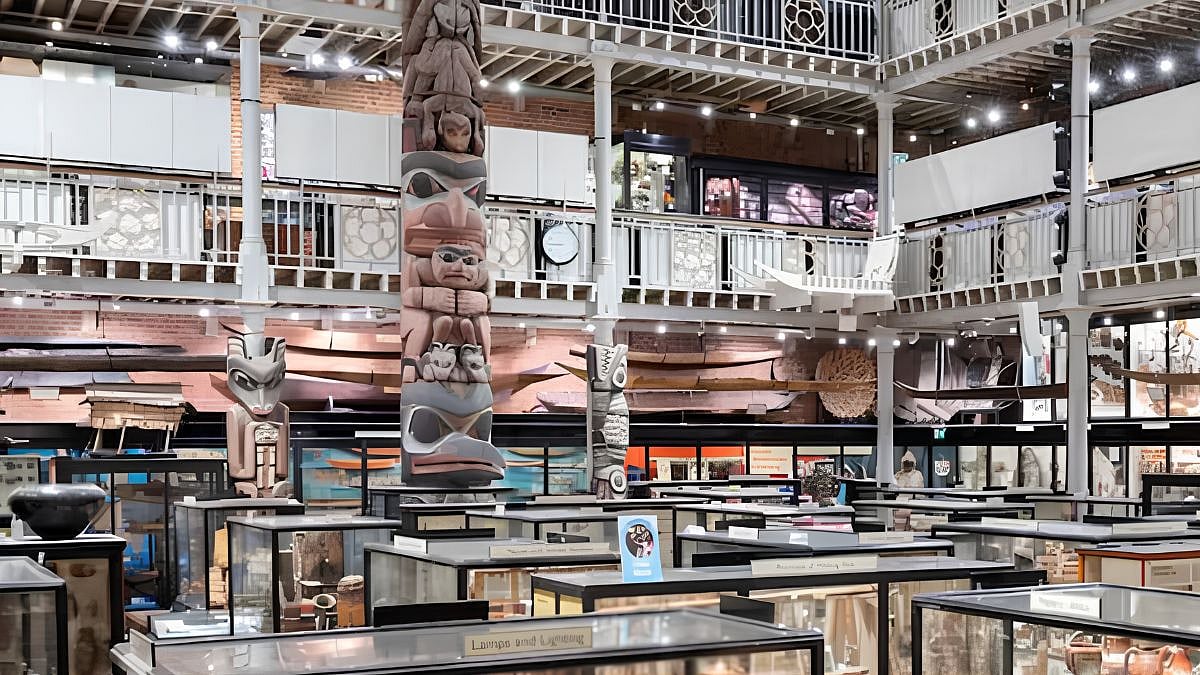
The University of Oxford's Pitt Rivers Museum has announced that it will return 39 Naga ancestral remains to the Naga community in Northeast India. The remains were taken from India during the colonial era and have been in the museum's collection for many years.
The decision to return the remains follows a restitution request by the Forum for Naga Reconciliation (FNR) and engagement between the museum and representatives of Naga communities. The museum holds the world's largest collection of Naga artefacts and has previously acknowledged the complex history surrounding its collections.
The human remains were collected in the early 20th century by British colonial administrators and some remained on public display until 2020. Their presence in a European museum has long raised questions about the circumstances under which human remains were removed from their communities and taken overseas.
The repatriation is expected to allow the ancestral remains to be brought back to their homeland and treated according to Naga cultural traditions and customary practices. The museum is working closely with the Naga community to finalise a date for the return, which has not been confirmed.
The request covered 40 sets of human remains, but Oxford University approved the return of 39, concluding that one specimen did not have a clear provenance as Naga. The return of the ancestral remains is an important step towards addressing the legacy of colonial-era collecting and respecting the wishes of Indigenous communities.
For Naga communities, the return carries cultural and emotional significance. Ancestral remains are closely connected with identity, heritage and traditional beliefs, making their return more than a museum decision. The Pitt Rivers Museum has undertaken efforts to work with communities seeking the return of human remains and other culturally sensitive materials.
In recent years, there has been a growing trend of museums returning cultural artefacts and human remains to their communities of origin. In 2022, London's Horniman Museum returned 72 artefacts to Nigeria, including 12 Benin bronze artefacts.
The return of the Naga ancestral remains is a significant step towards reconciliation and healing for the Naga community. It is also an important recognition of the historical injustices that were perpetrated during the colonial era and a commitment to respecting the cultural heritage and traditions of Indigenous communities.
The decision to return the ancestral remains is expected to have a positive impact on the relationship between the museum and the Naga community. It is also likely to set a precedent for other museums to follow in returning cultural artefacts and human remains to their communities of origin.
In conclusion, the return of the 39 Naga ancestral remains to India is a significant step towards addressing the legacy of colonial-era collecting and respecting the wishes of Indigenous communities. It is an important recognition of the cultural and emotional significance of ancestral remains to the Naga community and a commitment to reconciliation and healing.
The return of the ancestral remains is also a reminder of the complex history surrounding museum collections and the need for museums to work with communities to address historical injustices. It is a positive step towards a more inclusive and respectful approach to cultural heritage and a recognition of the importance of respecting the cultural traditions and customary practices of Indigenous communities.
Frequently asked questions
Why is the Oxford Museum returning Naga ancestral remains?
The museum is returning the remains as part of an effort to address the legacy of colonial-era collecting and respect the wishes of Indigenous communities.
What is the significance of the return of the ancestral remains to the Naga community?
The return carries cultural and emotional significance for the Naga community, as ancestral remains are closely connected with identity, heritage and traditional beliefs.