NCP Faces Leadership Vacuum After Ajit Pawar's Death
NCP Working President Praful Patel says party needs corrective steps. Leadership transition sparks internal unease.
'%3E%3Crect%20width%3D'96'%20height%3D'96'%20fill%3D'%231A5276'%2F%3E%3Ccircle%20cx%3D'30'%20cy%3D'24'%20r%3D'44'%20fill%3D'%23fff'%20opacity%3D'.12'%2F%3E%3Ccircle%20cx%3D'60'%20cy%3D'74'%20r%3D'40'%20fill%3D'%23000'%20opacity%3D'.10'%2F%3E%3C%2Fg%3E%3Cg%20fill%3D'%23fff'%3E%3Cpath%20d%3D'M31%2041%20L48%2031%20L65%2041%20Z'%2F%3E%3Crect%20x%3D'33'%20y%3D'43'%20width%3D'4'%20height%3D'17'%2F%3E%3Crect%20x%3D'41'%20y%3D'43'%20width%3D'4'%20height%3D'17'%2F%3E%3Crect%20x%3D'51'%20y%3D'43'%20width%3D'4'%20height%3D'17'%2F%3E%3Crect%20x%3D'59'%20y%3D'43'%20width%3D'4'%20height%3D'17'%2F%3E%3Crect%20x%3D'30'%20y%3D'62'%20width%3D'36'%20height%3D'4'%20rx%3D'1'%2F%3E%3C%2Fg%3E%3C%2Fsvg%3E)
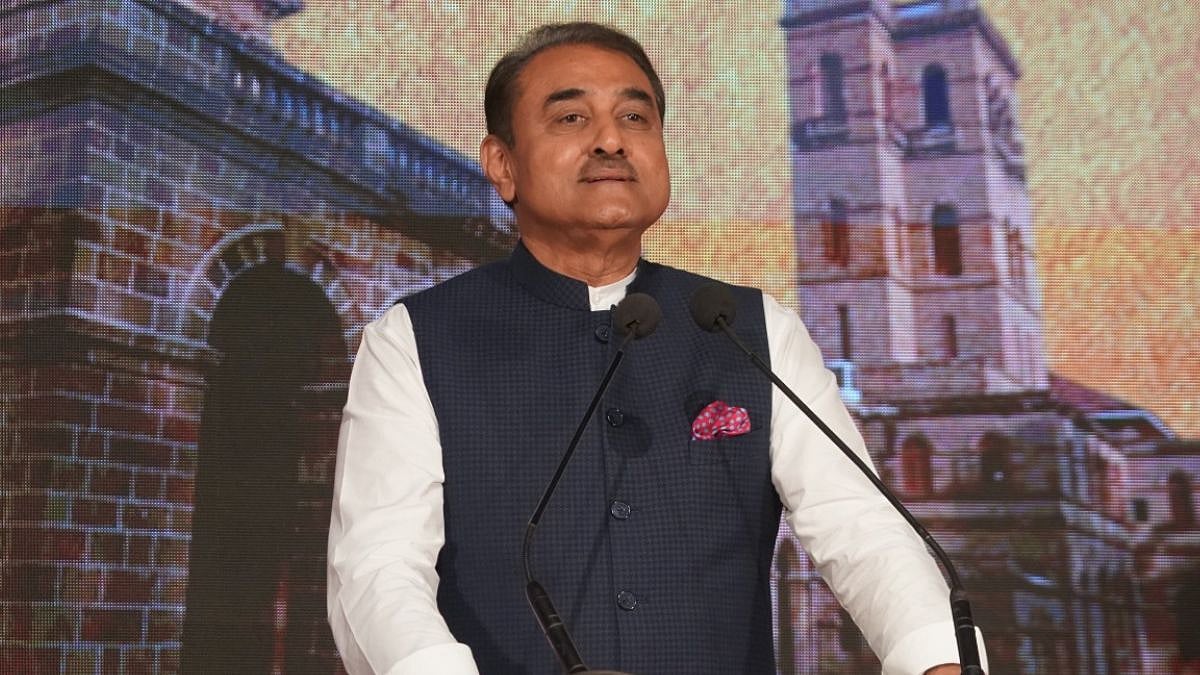
The Nationalist Congress Party (NCP) is facing a major leadership vacuum following the demise of former national president and Maharashtra Deputy Chief Minister Ajit Pawar. This was acknowledged by NCP Working President Praful Patel on Monday.
Praful Patel stated that the party must take corrective steps to remain politically relevant. His remarks come amid growing speculation over internal unease within the party. There are reports suggesting differences between the new leadership and senior leaders.
After Ajit Pawar's death, Sunetra Pawar assumed charge as the party's national president, while Parth Pawar has been entrusted with a larger organisational role. However, questions over the party's internal functioning intensified after the names of senior leaders Praful Patel and state president Sunil Tatkare were reportedly omitted or listed without their official designations in a communication submitted to the Election Commission.
The NCP termed it a typographical error, but the episode fuelled speculation about friction within the organisation. Sources indicate that some senior leaders are concerned about increasing centralisation of decision-making and fear that organisational appointments and election ticket distribution could increasingly favour family loyalists.
As a constituent of the ruling Mahayuti alliance, the NCP also faces the challenge of retaining its political influence, particularly in western Maharashtra and Marathwada, without Ajit Pawar's negotiating clout. Party insiders believe the focus should be on strengthening a collective leadership rather than finding a single successor.
They argue that combining the experience of senior leaders with the organisational responsibilities of the new leadership would help preserve party unity and reassure workers that Ajit Pawar's political legacy and developmental agenda will continue. The coming months would be crucial in determining whether the NCP can successfully reorganise itself and overcome the challenges posed by the leadership transition.
The NCP's internal strife and the BJP's aggressive expansion have raised concerns about the party's future. The party needs to find a way to navigate these challenges and maintain its relevance in Maharashtra politics. With the loss of Ajit Pawar, the party has lost a key leader who played a crucial role in shaping its policies and strategies.
The NCP's leadership transition has sparked a debate about the party's future direction. While some leaders are calling for a collective leadership, others are pushing for a single successor to Ajit Pawar. The party's ability to manage this transition effectively will be crucial in determining its future prospects.
In the coming months, the NCP will need to take decisive steps to address its internal challenges and reassure its workers and supporters that it remains a viable and effective political force. The party's success in navigating this transition will have significant implications for Maharashtra politics and the future of the Mahayuti alliance.
The NCP's leadership vacuum is a significant challenge for the party, and it remains to be seen how it will overcome this hurdle. However, with the right approach and a collective effort, the party can emerge stronger and more united than ever before. The next few months will be critical in determining the NCP's future trajectory and its ability to remain a major player in Maharashtra politics.
In conclusion, the NCP is facing a significant leadership challenge following the demise of Ajit Pawar. The party needs to take corrective steps to address its internal challenges and reassure its workers and supporters that it remains a viable and effective political force. The coming months will be crucial in determining the party's future prospects and its ability to navigate the challenges posed by the leadership transition.
The NCP's ability to manage this transition effectively will have significant implications for Maharashtra politics and the future of the Mahayuti alliance. The party's success in overcoming its internal challenges will depend on its ability to combine the experience of senior leaders with the organisational responsibilities of the new leadership. With the right approach and a collective effort, the NCP can emerge stronger and more united than ever before.