Homeopaths Switch to Allopathy Amid Job Insecurity
Homeopaths turn to modern medicine, only 10 have permission
'%3E%3Crect%20width%3D'96'%20height%3D'96'%20fill%3D'%23B3261E'%2F%3E%3Ccircle%20cx%3D'30'%20cy%3D'24'%20r%3D'44'%20fill%3D'%23fff'%20opacity%3D'.12'%2F%3E%3Ccircle%20cx%3D'60'%20cy%3D'74'%20r%3D'40'%20fill%3D'%23000'%20opacity%3D'.10'%2F%3E%3C%2Fg%3E%3Cg%20fill%3D'%23fff'%3E%3Crect%20x%3D'29'%20y%3D'49'%20width%3D'8'%20height%3D'19'%20rx%3D'1'%2F%3E%3Crect%20x%3D'39'%20y%3D'40'%20width%3D'9'%20height%3D'28'%20rx%3D'1'%2F%3E%3Crect%20x%3D'50'%20y%3D'45'%20width%3D'8'%20height%3D'23'%20rx%3D'1'%2F%3E%3Crect%20x%3D'60'%20y%3D'53'%20width%3D'7'%20height%3D'15'%20rx%3D'1'%2F%3E%3Crect%20x%3D'41'%20y%3D'34'%20width%3D'5'%20height%3D'6'%2F%3E%3C%2Fg%3E%3C%2Fsvg%3E)
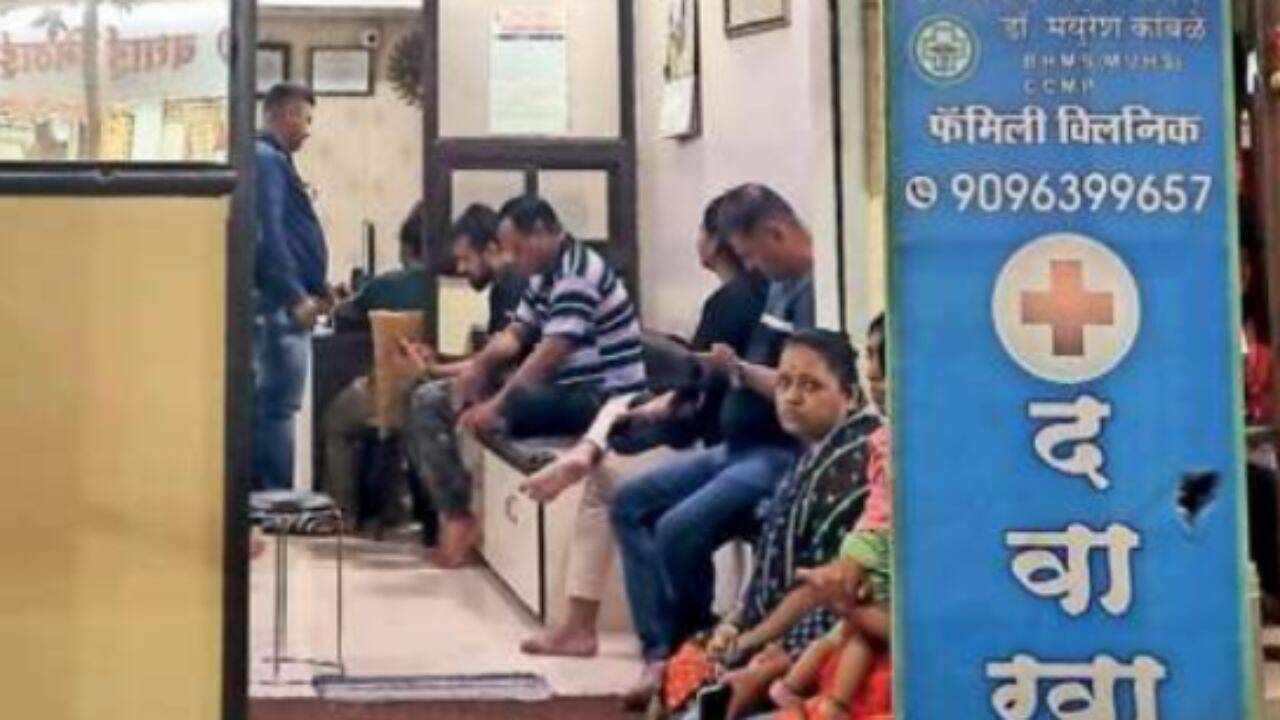
Homeopaths in India are increasingly turning to allopathy, or modern medicine, due to job insecurity in their field. This shift has led many homeopaths to obtain pharmacology certificates, allowing them to practice allopathy. However, it has been found that only 10 homeopaths have received the necessary permission to do so.
The lack of access to qualified MBBS doctors in certain areas has created a situation where locals are forced to seek alternative practitioners, including homeopaths. These practitioners often dispense allopathic medicines to treat various ailments, despite not having the traditional training or qualifications.
Experts in the field suggest that with more rigorous training, homeopaths could effectively utilize their existing skills to practice allopathy. This could help to address the shortage of qualified doctors in certain areas and provide more accessible healthcare options for locals.
The trend of homeopaths turning to allopathy is a significant development in the healthcare sector. It highlights the need for more flexible and adaptive training programs that can help practitioners transition between different fields of medicine.
In many parts of India, homeopaths are the only healthcare providers available, and they often have to treat a wide range of ailments. By providing them with the necessary training and qualifications, they can become more effective healthcare providers and help to improve the overall quality of healthcare in these areas.
The fact that only 10 homeopaths have received permission to practice allopathy suggests that there is a need for more regulation and oversight in this area. It is essential to ensure that practitioners have the necessary qualifications and training to provide safe and effective healthcare.
Overall, the shift of homeopaths towards allopathy is a complex issue that requires careful consideration and regulation. It has the potential to improve healthcare outcomes in certain areas, but it also raises concerns about the quality and safety of care provided by practitioners who may not have the traditional training or qualifications.
The Indian healthcare system is facing significant challenges, including a shortage of qualified doctors and inadequate access to healthcare in certain areas. The trend of homeopaths turning to allopathy is just one aspect of this larger issue, and it highlights the need for more innovative and adaptive solutions to address these challenges.
In conclusion, the shift of homeopaths towards allopathy is a significant development in the healthcare sector. It has the potential to improve healthcare outcomes in certain areas, but it also raises concerns about the quality and safety of care provided by practitioners who may not have the traditional training or qualifications. With more rigorous training and regulation, homeopaths could become more effective healthcare providers and help to address the shortage of qualified doctors in certain areas.
Frequently asked questions
Why are homeopaths turning to allopathy?
Homeopaths are turning to allopathy due to job insecurity in their field and to provide more accessible healthcare options for locals.
How many homeopaths have permission to practice allopathy?
Only 10 homeopaths have received the necessary permission to practice allopathy.