Maratha Quota Case May Restart After 20 Hearings
Maharashtra's Maratha quota case faces a potential restart. Key arguments are being re-examined.
'%3E%3Crect%20width%3D'96'%20height%3D'96'%20fill%3D'%231A5276'%2F%3E%3Ccircle%20cx%3D'30'%20cy%3D'24'%20r%3D'44'%20fill%3D'%23fff'%20opacity%3D'.12'%2F%3E%3Ccircle%20cx%3D'60'%20cy%3D'74'%20r%3D'40'%20fill%3D'%23000'%20opacity%3D'.10'%2F%3E%3C%2Fg%3E%3Cg%20fill%3D'%23fff'%3E%3Cpath%20d%3D'M31%2041%20L48%2031%20L65%2041%20Z'%2F%3E%3Crect%20x%3D'33'%20y%3D'43'%20width%3D'4'%20height%3D'17'%2F%3E%3Crect%20x%3D'41'%20y%3D'43'%20width%3D'4'%20height%3D'17'%2F%3E%3Crect%20x%3D'51'%20y%3D'43'%20width%3D'4'%20height%3D'17'%2F%3E%3Crect%20x%3D'59'%20y%3D'43'%20width%3D'4'%20height%3D'17'%2F%3E%3Crect%20x%3D'30'%20y%3D'62'%20width%3D'36'%20height%3D'4'%20rx%3D'1'%2F%3E%3C%2Fg%3E%3C%2Fsvg%3E)
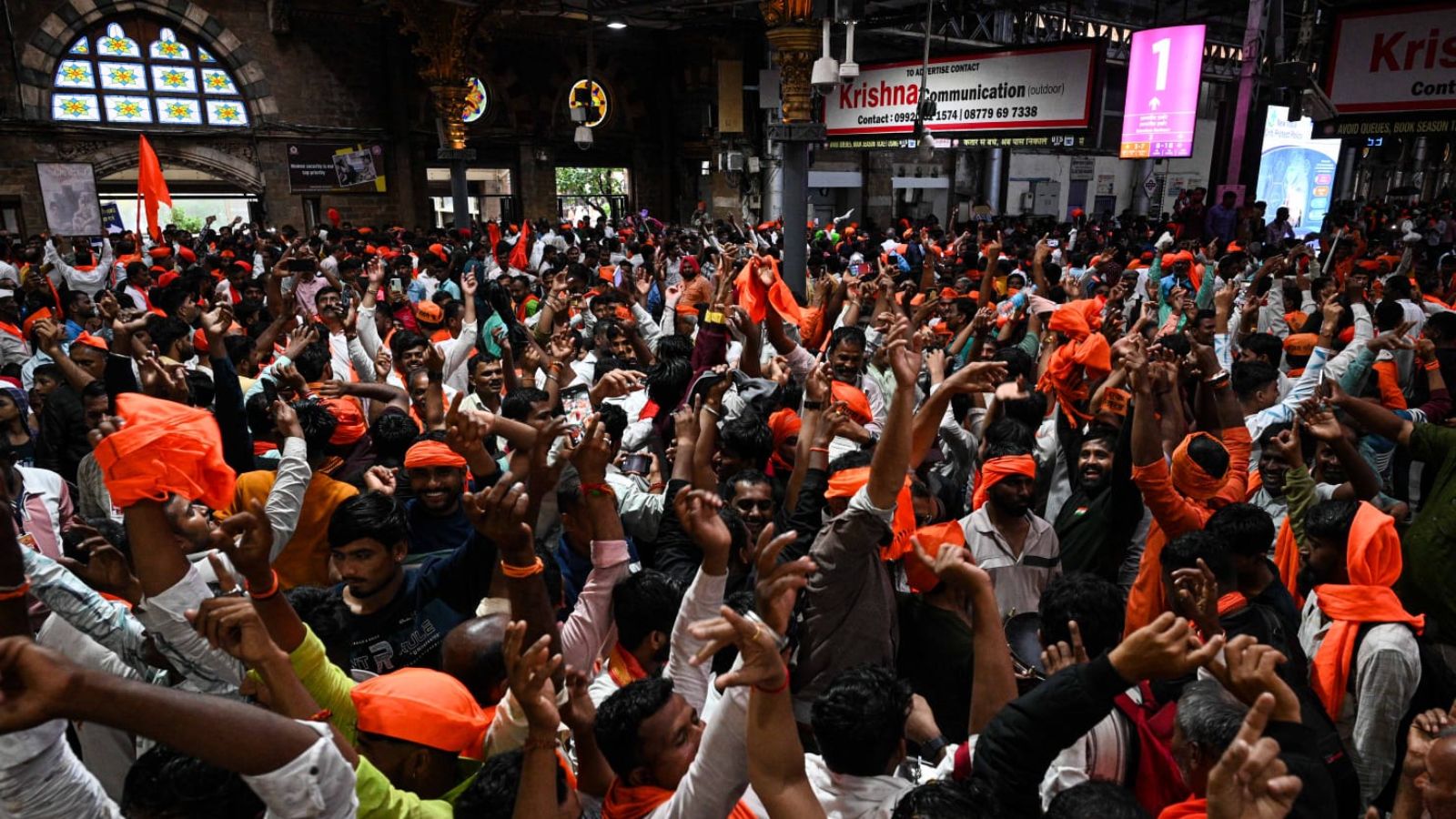
The Maratha quota case in Maharashtra has been ongoing for a significant period, with 20 hearings having taken place so far. However, the case may now have to start over from the beginning. This development comes as a result of the court's decision to re-examine key arguments presented in the case.
The case revolves around the reservation of seats for the Maratha community in government jobs and educational institutions. The Maharashtra government had introduced a law to provide 16% reservation to the Maratha community, which was later challenged in court. The court's decision to restart the case may have significant implications for the community and the state government.
The Maratha community has been demanding reservation for a long time, citing their social and economic backwardness. The community constitutes a significant portion of Maharashtra's population and has been seeking equal opportunities in education and employment. The reservation law was introduced to address these concerns and provide a level playing field for the community.
However, the law was challenged in court by several petitioners, who argued that the reservation exceeded the 50% limit set by the Supreme Court. The petitioners also argued that the law was not based on sufficient data and did not take into account the socio-economic conditions of other backward classes. The court's decision to restart the case may indicate that these arguments have merit.
The restart of the case may have significant implications for the Maratha community and the state government. The community may have to wait for a longer period to get reservation, which could lead to further social and economic disparities. The state government may also have to revisit its policy on reservation and ensure that it is in line with the Supreme Court's guidelines.
The Maratha quota case is not an isolated incident, but rather part of a larger debate on reservation in India. The country has a long history of reservation, with various communities demanding equal opportunities in education and employment. The case highlights the complexities and challenges involved in implementing reservation policies and the need for a nuanced approach to address the concerns of different communities.
In recent years, there have been several cases of reservation being challenged in court, with the Supreme Court setting guidelines for the implementation of reservation policies. The court has emphasized the need for sufficient data and socio-economic analysis to justify reservation. The Maratha quota case may set a precedent for future cases and highlight the importance of a careful and considered approach to reservation policies.
The case is likely to have significant implications for Maharashtra and the country as a whole. The restart of the case may lead to further delays and uncertainties, which could impact the social and economic development of the Maratha community. The state government and the community will have to wait for the court's final decision, which may take several months or even years.
In conclusion, the Maratha quota case in Maharashtra may have to start over after 20 hearings, which could have significant implications for the community and the state government. The case highlights the complexities and challenges involved in implementing reservation policies and the need for a nuanced approach to address the concerns of different communities.
Frequently asked questions
What is the Maratha quota case about?
The case is about the reservation of seats for the Maratha community in government jobs and educational institutions.
Why may the case have to start over?
The case may have to start over due to the court's decision to re-examine key arguments presented in the case.