USCIS Regains Power to Deny Requests Outright
Trump admin restores authority, impacting immigration. New rules apply.
'%3E%3Crect%20width%3D'96'%20height%3D'96'%20fill%3D'%234A235A'%2F%3E%3Ccircle%20cx%3D'30'%20cy%3D'24'%20r%3D'44'%20fill%3D'%23fff'%20opacity%3D'.12'%2F%3E%3Ccircle%20cx%3D'60'%20cy%3D'74'%20r%3D'40'%20fill%3D'%23000'%20opacity%3D'.10'%2F%3E%3C%2Fg%3E%3Cg%20fill%3D'none'%20stroke%3D'%23fff'%20stroke-width%3D'3'%3E%3Ccircle%20cx%3D'48'%20cy%3D'48'%20r%3D'16'%2F%3E%3Cellipse%20cx%3D'48'%20cy%3D'48'%20rx%3D'6.5'%20ry%3D'16'%2F%3E%3Cline%20x1%3D'32'%20y1%3D'42'%20x2%3D'64'%20y2%3D'42'%2F%3E%3Cline%20x1%3D'32'%20y1%3D'54'%20x2%3D'64'%20y2%3D'54'%2F%3E%3C%2Fg%3E%3C%2Fsvg%3E)
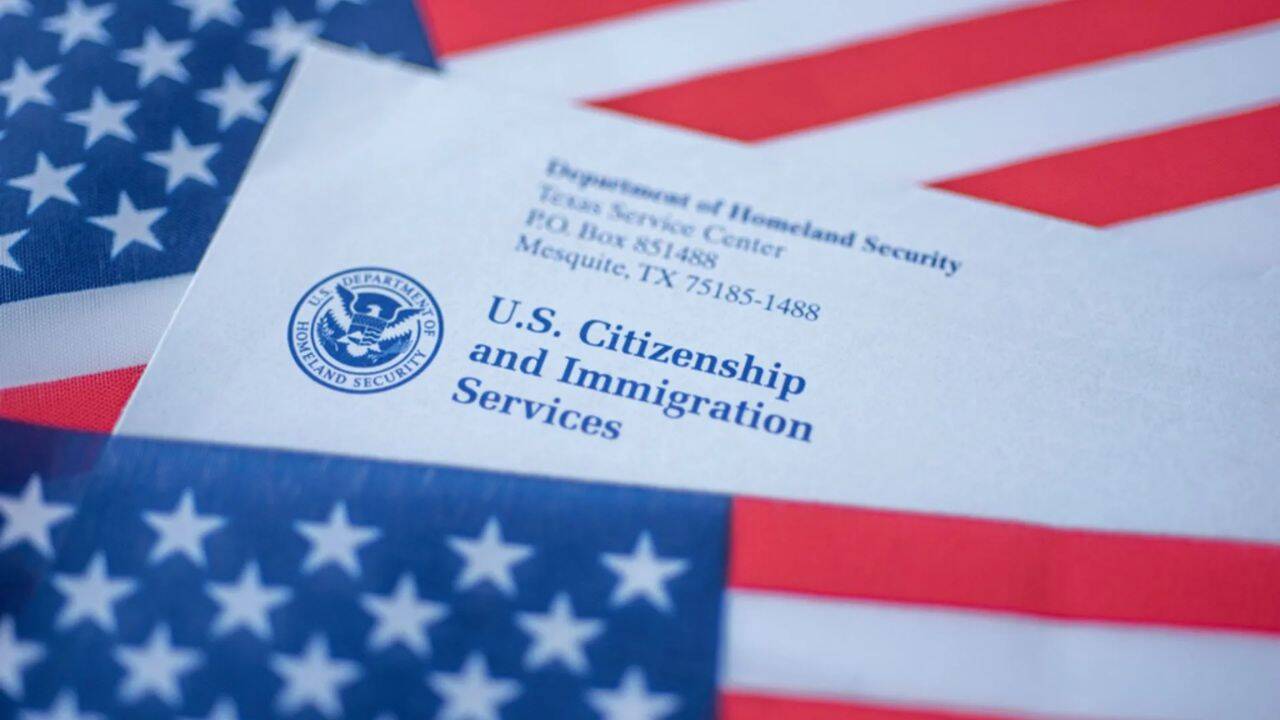
The Trump administration has restored the power of the United States Citizenship and Immigration Services (USCIS) to deny immigration requests outright. This move is expected to have significant implications for individuals and families seeking to immigrate to the United States.
The decision to restore this authority was made in an effort to streamline the immigration process and reduce the burden on USCIS officers. Previously, officers were required to issue a Request for Evidence (RFE) or a Notice of Intent to Deny (NOID) before denying a request. However, with this new policy, officers will now have the discretion to deny requests without issuing an RFE or NOID.
This change is likely to impact a wide range of immigration applications, including those for work visas, family-based visas, and permanent residency. Applicants who are denied outright will not have the opportunity to provide additional evidence or respond to concerns raised by USCIS officers.
The Trump administration has been actively working to reform the immigration system, with a focus on reducing the number of immigrants entering the United States. This move is seen as part of a broader effort to tighten immigration policies and ensure that only eligible individuals are granted immigration benefits.
The restoration of USCIS's power to deny requests outright has sparked concern among immigration advocates, who argue that it will lead to arbitrary and unfair denials. They also express concern that this policy will disproportionately affect certain groups, such as low-income or minority applicants.
In recent years, the United States has seen a significant increase in immigration applications, with many individuals and families seeking to escape violence, persecution, or economic hardship in their home countries. The new policy is likely to have a significant impact on these individuals, who may face increased uncertainty and difficulty in navigating the immigration process.
The Trump administration's decision to restore USCIS's power to deny requests outright is part of a larger debate about immigration policy in the United States. As the country continues to grapple with issues related to immigration, it is likely that this policy will be closely watched and debated in the coming months.
In terms of its significance, this policy change reflects the Trump administration's commitment to enforcing strict immigration policies. It also highlights the ongoing challenges and complexities of the US immigration system, which has been the subject of controversy and debate in recent years.
Overall, the restoration of USCIS's power to deny requests outright is a significant development in the world of immigration, with potentially far-reaching consequences for individuals and families seeking to immigrate to the United States.
Frequently asked questions
What is the new policy regarding USCIS's power to deny requests?
The Trump administration has restored USCIS's power to deny immigration requests outright, without issuing a Request for Evidence (RFE) or a Notice of Intent to Deny (NOID).
How will this policy change affect immigration applicants?
Applicants who are denied outright will not have the opportunity to provide additional evidence or respond to concerns raised by USCIS officers, which may lead to increased uncertainty and difficulty in navigating the immigration process.