Maharashtra Amends MHADA Act To Speed Up Mumbai Redevelopment
Maharashtra Legislature passes amendment, removing legal hurdles for redevelopment of cessed buildings.

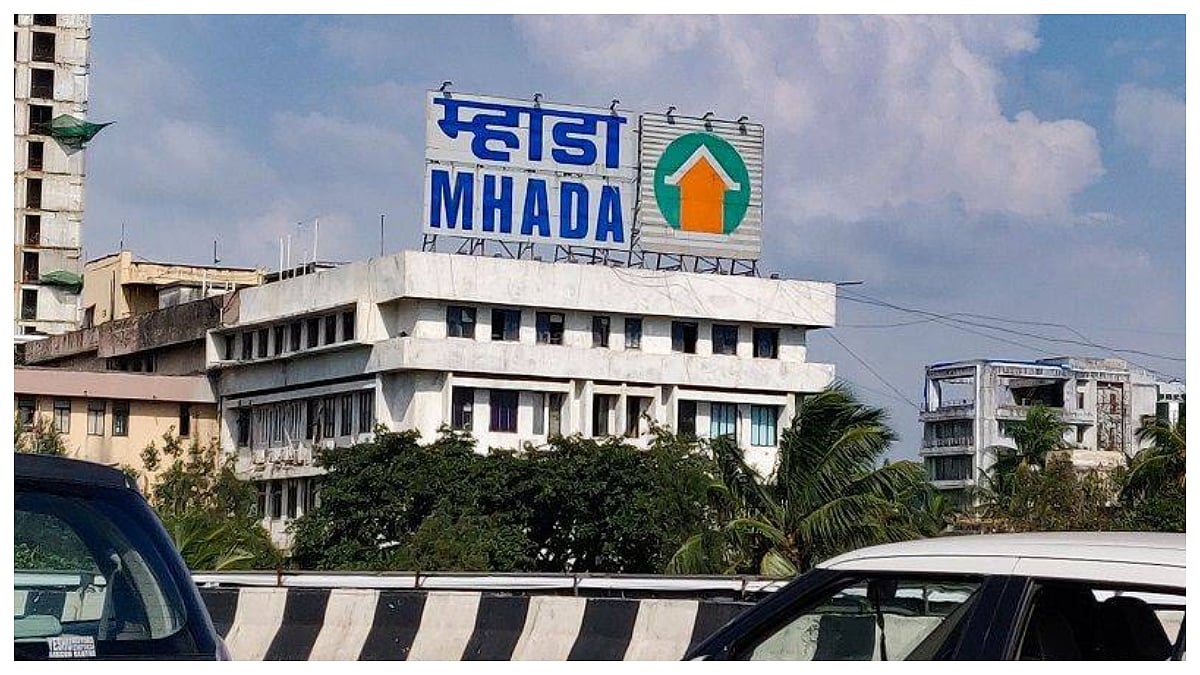
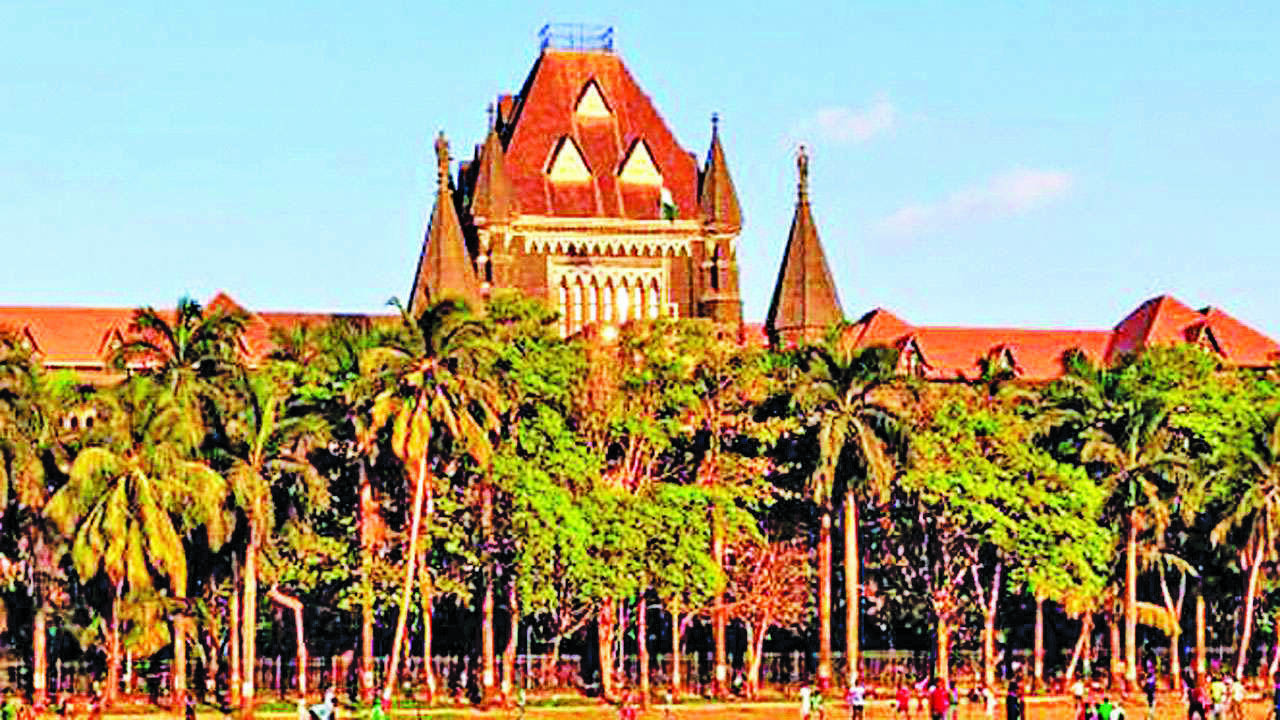
The Maharashtra Legislature has passed an amendment to the Maharashtra Housing and Area Development (MHADA) Act, aiming to accelerate the redevelopment of Mumbai's ageing and dilapidated cessed buildings. This move comes after the Bombay High Court stayed the implementation of Section 79A, which allowed MHADA to intervene in the redevelopment of dangerous buildings.
The amendment replaces the term 'Competent Authority' with a provision that explicitly authorises officers designated by MHADA to exercise powers under Section 79A. This change provides a clear legal framework for redevelopment-related action, addressing the legal ambiguity that led to the stay.
The redevelopment of cessed buildings in Mumbai has been a long-standing challenge. The city has over 13,000 cessed buildings, most of which were constructed before 1940 and house lakhs of residents. Many of these buildings have remained stalled for years due to landlord-tenant disputes, prolonged litigation, and resistance from property owners, despite being in an unsafe condition.
Sections 79A and 79B were introduced into the MHADA Act in 2020, following a series of fatal building collapses in the city. These provisions empower MHADA to intervene where landlords fail to redevelop dangerous buildings and allow tenants to undertake redevelopment themselves after securing the consent of at least 51 per cent of occupants.
The urgency of redevelopment is highlighted by the data obtained through the Right to Information Act, which shows that Mumbai recorded 345 incidents of full or partial building collapses between 2021 and August 2025, resulting in eight deaths and 28 injuries. MHADA's own records reveal that building collapses claimed 815 lives between 1970 and 2018, underscoring the human cost of delays in redeveloping the city's ageing housing stock.
The amendment is expected to revive redevelopment proposals for thousands of ageing cessed buildings across Mumbai. This move is seen as a critical step towards addressing the urban renewal and public safety challenges posed by these buildings.
The Maharashtra government's decision to amend the MHADA Act is a significant step towards ensuring the safety of residents living in cessed buildings. The redevelopment of these buildings will not only improve the living conditions of residents but also contribute to the overall development of the city.
In conclusion, the amendment to the MHADA Act is a crucial move towards accelerating the redevelopment of Mumbai's cessed buildings. It addresses the legal hurdles that had stalled action under Section 79A and provides a clear framework for redevelopment-related action. This move is expected to have a significant impact on the city's urban renewal and public safety, and its effects will be closely watched in the coming months.
The redevelopment of cessed buildings in Mumbai is a complex issue that requires the cooperation of all stakeholders, including the government, landlords, tenants, and developers. The amendment to the MHADA Act is a step in the right direction, and its successful implementation will depend on the ability of these stakeholders to work together towards a common goal.
As the city moves forward with the redevelopment of its cessed buildings, it is essential to prioritize the safety and well-being of residents. This can be achieved by ensuring that the redevelopment process is transparent, fair, and accountable to all stakeholders. The Maharashtra government's decision to amend the MHADA Act is a positive step towards achieving this goal, and its impact will be felt for years to come.
In the end, the redevelopment of Mumbai's cessed buildings is not just a matter of urban renewal, but also a matter of public safety. The amendment to the MHADA Act is a crucial step towards addressing this challenge, and its successful implementation will have a significant impact on the lives of lakhs of residents living in these buildings.
The future of Mumbai's cessed buildings looks promising, with the amendment to the MHADA Act paving the way for their redevelopment. As the city moves forward with this process, it is essential to remember the importance of prioritizing the safety and well-being of residents. This can be achieved by ensuring that the redevelopment process is transparent, fair, and accountable to all stakeholders.
The amendment to the MHADA Act is a significant move towards accelerating the redevelopment of Mumbai's cessed buildings. Its impact will be felt for years to come, and it is essential to closely watch its implementation to ensure that it achieves its intended goals.
The Maharashtra government's decision to amend the MHADA Act is a positive step towards addressing the urban renewal and public safety challenges posed by the city's cessed buildings. The redevelopment of these buildings will not only improve the living conditions of residents but also contribute to the overall development of the city.
In conclusion, the amendment to the MHADA Act is a crucial move towards accelerating the redevelopment of Mumbai's cessed buildings. It addresses the legal hurdles that had stalled action under Section 79A and provides a clear framework for redevelopment-related action. This move is expected to have a significant impact on the city's urban renewal and public safety, and its effects will be closely watched in the coming months.
What it means for Mumbai is that the city is finally taking steps to address the long-standing issue of cessed buildings. The amendment to the MHADA Act is a significant move towards ensuring the safety of residents living in these buildings, and its successful implementation will depend on the ability of all stakeholders to work together towards a common goal.
The city's residents can expect to see significant improvements in the living conditions of those residing in cessed buildings. The redevelopment of these buildings will not only improve the quality of life for residents but also contribute to the overall development of the city.
In the end, the amendment to the MHADA Act is a positive step towards addressing the urban renewal and public safety challenges posed by Mumbai's cessed buildings. Its impact will be felt for years to come, and it is essential to closely watch its implementation to ensure that it achieves its intended goals.