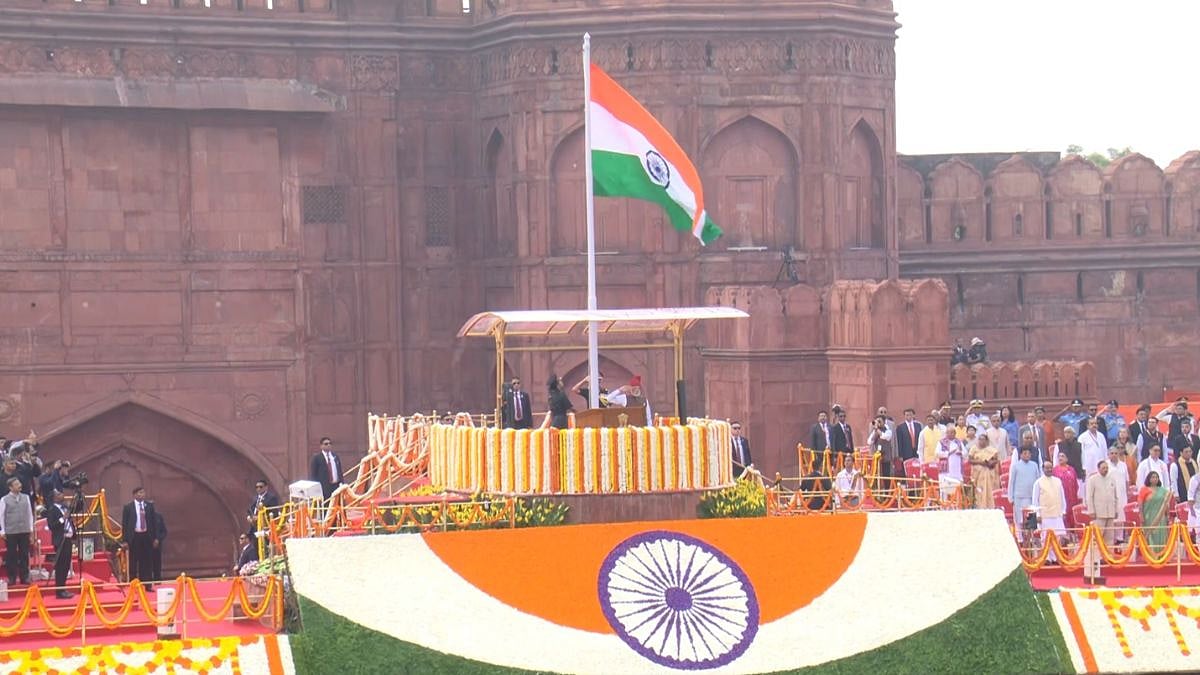
Har Ghar Tiranga Week Celebrated From August 9-17
Har Ghar Tiranga week fosters nationalistic pride, encouraging citizens to hoist the national flag
'%3E%3Crect%20width%3D'96'%20height%3D'96'%20fill%3D'%231B5E20'%2F%3E%3Ccircle%20cx%3D'30'%20cy%3D'24'%20r%3D'44'%20fill%3D'%23fff'%20opacity%3D'.12'%2F%3E%3Ccircle%20cx%3D'60'%20cy%3D'74'%20r%3D'40'%20fill%3D'%23000'%20opacity%3D'.10'%2F%3E%3C%2Fg%3E%3Cg%3E%3Ccircle%20cx%3D'48'%20cy%3D'48'%20r%3D'15'%20fill%3D'%23fff'%2F%3E%3Cpath%20d%3D'M43%2034%20Q50%2048%2043%2062'%20fill%3D'none'%20stroke%3D'%238a94a6'%20stroke-width%3D'2.4'%2F%3E%3Cpath%20d%3D'M47%2033%20Q54%2048%2047%2063'%20fill%3D'none'%20stroke%3D'%238a94a6'%20stroke-width%3D'1.8'%20stroke-dasharray%3D'1.5%203'%2F%3E%3C%2Fg%3E%3C%2Fsvg%3E)
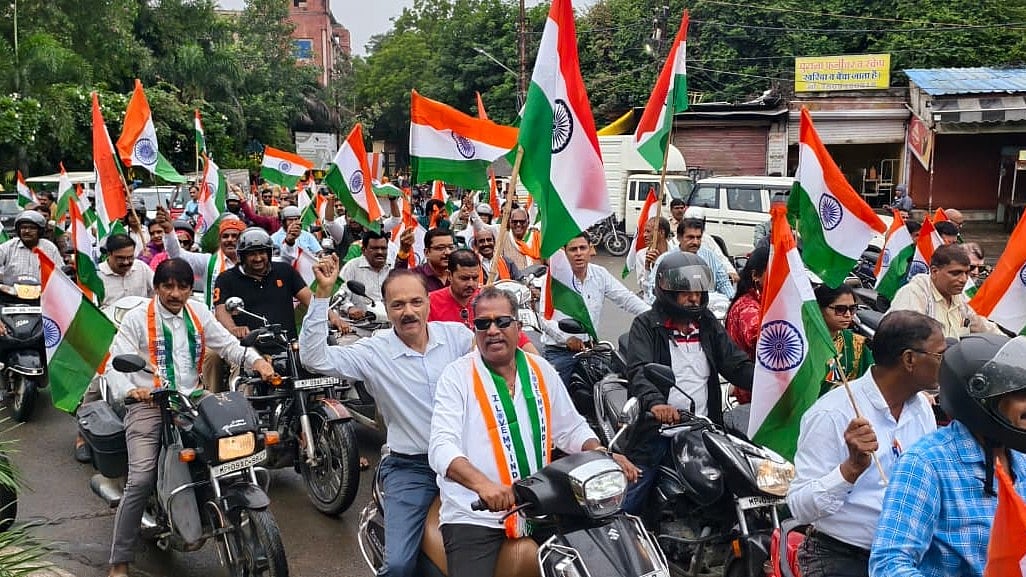
The Har Ghar Tiranga campaign, started in 2022 under the aegis of Azadi Ka Amrit Mahotsav, aims to celebrate 75 years of India's independence by encouraging citizens to hoist the national flag at their homes. This year, the period between August 9 and August 17, 2026, is being celebrated as Har Ghar Tiranga week to foster nationalistic pride and fervour among citizens.
The national flag, also known as the Tiranga, is a symbol of national unity and pride. It bears the colours saffron, white, and green, and is respected not only in India but also globally. In international events such as the World Cup football and hockey matches, rival teams respect each other's national anthems and flags.
The Indian law on the national flag is governed by the Flag Code of India, 2002, the Prevention of Insults to National Honour Act, 1971, and the Emblems and Names (Prevention of Improper Use) Act, 1950. These rules control how citizens and governments make, display, and respect the Tiranga. The Flag Code of India, 2002, allows citizens and private groups to display the flag respectfully on any day of the year.
However, the Prevention of Insults to National Honour Act, 1971, makes burning, mutilating, defacing, or showing disrespect to the flag in public a crime punishable by up to three years in prison, a fine, or both. The Emblems and Names Act, 1950, restricts the commercial use and improper use of the national flag and symbols.
The display rules for the national flag are strict, and it must be rectangular in shape with a length-to-height ratio of 3:2 and made from hand-spun and hand-woven or machine-made cotton, wool, silk, khadi, or polyester bunting. The flag must always be placed in a high, honoured position and never displayed upside down. It must never touch the ground, floor, or trail in water.
Unfortunately, Indians are known for littering, and this carelessness is also shown after national holidays when the streets are strewn with Tricolour stickers and small plastic or paper flags. Respect for the national flag must continue till its safe disposal, which can be done in private, consistent with the dignity of the flag.
The Har Ghar Tiranga campaign aims to inspire more than a momentary salute to the nation. It encourages citizens to respect the national flag and its symbols, not just on national holidays but throughout the year. By doing so, we can foster a sense of national unity and pride, and promote respect for the national flag and its symbols.
In conclusion, the Har Ghar Tiranga week is an opportunity for citizens to come together and celebrate national unity and pride. By respecting the national flag and its symbols, we can promote a sense of national unity and pride, and inspire a deeper appreciation for the values and principles that our nation represents.
The significance of the Har Ghar Tiranga campaign extends beyond the week-long celebration. It aims to inspire a sense of national pride and unity that can be felt throughout the year. By promoting respect for the national flag and its symbols, we can foster a sense of national identity and promote a deeper appreciation for the values and principles that our nation represents.
Overall, the Har Ghar Tiranga campaign is an important initiative that aims to promote national unity and pride. By respecting the national flag and its symbols, we can inspire a sense of national pride and unity that can be felt throughout the year.
Frequently asked questions
What is the Har Ghar Tiranga campaign?
The Har Ghar Tiranga campaign is an initiative to celebrate 75 years of India's independence by encouraging citizens to hoist the national flag at their homes.
What are the rules for displaying the national flag?
The display rules for the national flag are strict, and it must be rectangular in shape with a length-to-height ratio of 3:2 and made from hand-spun and hand-woven or machine-made cotton, wool, silk, khadi, or polyester bunting.