Bangladesh Seeks Faster India Business Visas, Guarantee Clause
Bangladesh calls for faster business visas and ease of doing business with India, also seeking a guarantee clause in the Ganges Water Treaty.
'%3E%3Crect%20width%3D'96'%20height%3D'96'%20fill%3D'%234A235A'%2F%3E%3Ccircle%20cx%3D'30'%20cy%3D'24'%20r%3D'44'%20fill%3D'%23fff'%20opacity%3D'.12'%2F%3E%3Ccircle%20cx%3D'60'%20cy%3D'74'%20r%3D'40'%20fill%3D'%23000'%20opacity%3D'.10'%2F%3E%3C%2Fg%3E%3Cg%20fill%3D'none'%20stroke%3D'%23fff'%20stroke-width%3D'3'%3E%3Ccircle%20cx%3D'48'%20cy%3D'48'%20r%3D'16'%2F%3E%3Cellipse%20cx%3D'48'%20cy%3D'48'%20rx%3D'6.5'%20ry%3D'16'%2F%3E%3Cline%20x1%3D'32'%20y1%3D'42'%20x2%3D'64'%20y2%3D'42'%2F%3E%3Cline%20x1%3D'32'%20y1%3D'54'%20x2%3D'64'%20y2%3D'54'%2F%3E%3C%2Fg%3E%3C%2Fsvg%3E)
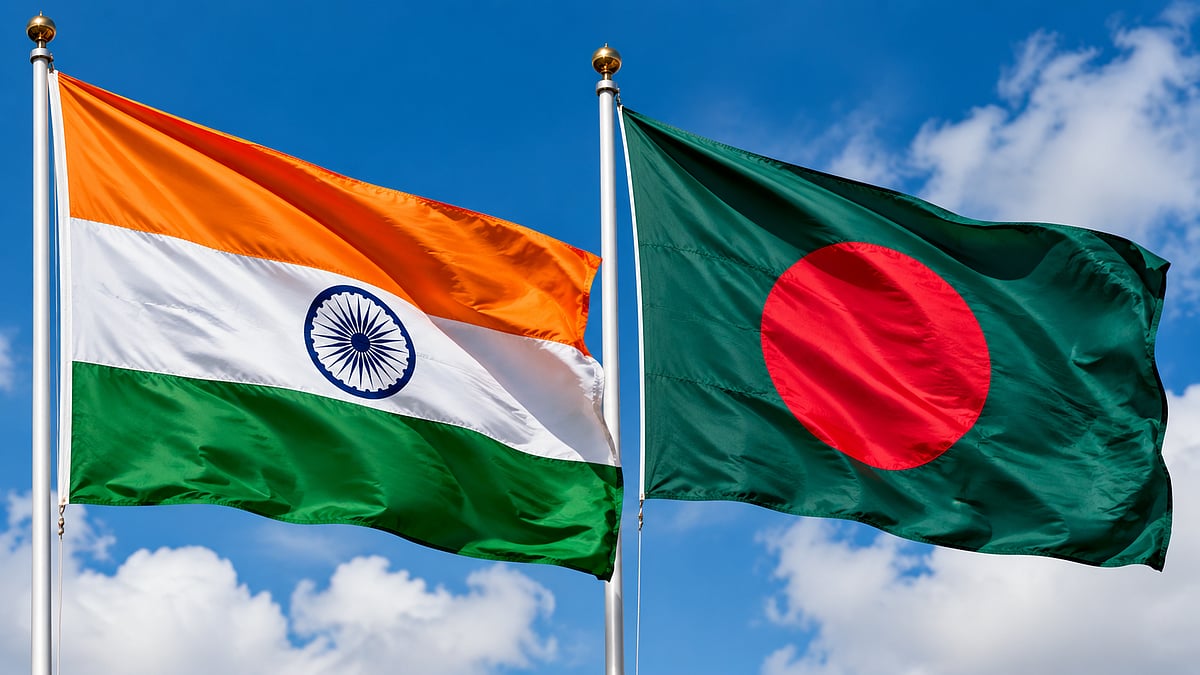
Bangladesh has urged India to expedite the issuance of business visas for its nationals and to simplify the process of doing business between the two countries. State Minister for Foreign Affairs Shama Obaed Islam made this request at a reception hosted by the Indian High Commission for leading Bangladeshi business leaders and a delegation from the Confederation of Indian Industry (CII).
She emphasized the need for businesses and private sectors of the two countries to communicate more frequently and for business visas to be issued quickly to facilitate travel to India. Islam also highlighted the importance of addressing non-tariff barriers, standards and testing-related difficulties, procedural delays, and infrastructure constraints that affect the smooth movement of goods and services.
Bangladesh is seeking to strengthen its trade and investment ties with India, with Islam stressing the need for greater predictability and ease of doing business. She invited greater Indian investment in Bangladesh, citing its large domestic market, industrial workforce, competitive production capabilities, and geographical proximity to regional markets.
The two countries have a significant trade relationship, with Bangladesh being India's largest trading partner in South Asia, and India being one of Bangladesh's largest export destinations in Asia. As of February 2025-26, the total bilateral trade turnover stood at approximately USD 11.35 billion.
In addition to trade and investment, Bangladesh is also seeking to renegotiate the Ganges Water Treaty with India. Water Resources Minister Shahiduddin Chowdhury Anee stated that Bangladesh remains committed to renegotiating the treaty and hopes that Prime Minister Tarique Rahman will make a strong case for Bangladesh at the United Nations next month.
Bangladesh is seeking a guarantee clause in the renewed treaty to protect its water rights. The country is ready to approach international forums to protect its rights if necessary. The Ganges Water Treaty is a critical issue for Bangladesh, and the country is seeking a fair and equitable agreement with India.
The relationship between India and Bangladesh is complex and multifaceted, with trade, investment, and water sharing being key areas of cooperation. The two countries have made significant progress in recent years, but there are still challenges to be addressed. Bangladesh's request for faster business visas and a guarantee clause in the Ganges Water Treaty reflects its desire to strengthen its ties with India and to protect its national interests.
In conclusion, Bangladesh's call for faster business visas and a guarantee clause in the Ganges Water Treaty is a significant development in the country's relationship with India. The two countries have a long history of cooperation, but there are still challenges to be addressed. Bangladesh's desire to strengthen its trade and investment ties with India and to protect its water rights reflects its commitment to its national interests and its desire to build a stronger and more equitable relationship with its neighbor.
The outcome of these negotiations will have significant implications for the future of India-Bangladesh relations. If the two countries can reach a mutually beneficial agreement, it could lead to increased trade and investment and a stronger partnership between the two nations. However, if the negotiations are unsuccessful, it could lead to increased tensions and a deterioration in the relationship.
Ultimately, the success of these negotiations will depend on the ability of the two countries to find common ground and to address the challenges that they face. With goodwill and a commitment to cooperation, it is possible for India and Bangladesh to build a stronger and more equitable relationship that benefits both nations.
The trade relationship between India and Bangladesh is also expected to continue to grow in the coming years, with the two countries exploring new areas of cooperation such as infrastructure development and energy trade. The Indian government has already taken steps to simplify the process of doing business with Bangladesh, and the country is expected to remain one of India's key trading partners in the region.
In terms of the Ganges Water Treaty, Bangladesh is seeking a fair and equitable agreement that takes into account its water needs and rights. The country is committed to protecting its national interests and is willing to approach international forums if necessary to achieve its goals. The negotiations over the treaty are expected to be complex and challenging, but they also present an opportunity for the two countries to build a stronger and more cooperative relationship.
Overall, the relationship between India and Bangladesh is complex and multifaceted, with trade, investment, and water sharing being key areas of cooperation. The two countries have made significant progress in recent years, but there are still challenges to be addressed. Bangladesh's call for faster business visas and a guarantee clause in the Ganges Water Treaty reflects its desire to strengthen its ties with India and to protect its national interests.
The future of India-Bangladesh relations will depend on the ability of the two countries to find common ground and to address the challenges that they face. With goodwill and a commitment to cooperation, it is possible for the two nations to build a stronger and more equitable relationship that benefits both countries.
The Indian government has already taken steps to simplify the process of doing business with Bangladesh, and the country is expected to remain one of India's key trading partners in the region. The trade relationship between the two countries is expected to continue to grow in the coming years, with new areas of cooperation being explored.
In conclusion, the relationship between India and Bangladesh is complex and multifaceted, with trade, investment, and water sharing being key areas of cooperation. Bangladesh's call for faster business visas and a guarantee clause in the Ganges Water Treaty reflects its desire to strengthen its ties with India and to protect its national interests. The outcome of these negotiations will have significant implications for the future of India-Bangladesh relations.
What it means for Mumbai or India is that the country needs to be prepared to address the challenges that it faces in its relationship with Bangladesh. The Indian government needs to be willing to listen to the concerns of its neighbor and to work towards finding mutually beneficial solutions. The country also needs to be prepared to protect its national interests and to approach international forums if necessary.
The trade relationship between India and Bangladesh is expected to continue to grow in the coming years, with new areas of cooperation being explored. The Indian government has already taken steps to simplify the process of doing business with Bangladesh, and the country is expected to remain one of India's key trading partners in the region.
In terms of the Ganges Water Treaty, India needs to be willing to work towards finding a fair and equitable agreement that takes into account the water needs and rights of both countries. The country needs to be committed to protecting its national interests and to approaching international forums if necessary to achieve its goals.
Overall, the relationship between India and Bangladesh is complex and multifaceted, with trade, investment, and water sharing being key areas of cooperation. The two countries have made significant progress in recent years, but there are still challenges to be addressed. Bangladesh's call for faster business visas and a guarantee clause in the Ganges Water Treaty reflects its desire to strengthen its ties with India and to protect its national interests.
The future of India-Bangladesh relations will depend on the ability of the two countries to find common ground and to address the challenges that they face. With goodwill and a commitment to cooperation, it is possible for the two nations to build a stronger and more equitable relationship that benefits both countries.
Frequently asked questions
What is Bangladesh seeking from India in terms of business visas?
Bangladesh is seeking faster issuance of business visas for its nationals travelling to India.
What is the current trade turnover between India and Bangladesh?
The current trade turnover between India and Bangladesh stands at approximately USD 11.35 billion.