Dell CEO Warns of Prolonged Chip Shortage
Dell CEO Michael Dell forecasts chip shortage till 2027, warns of price hikes
'%3E%3Crect%20width%3D'96'%20height%3D'96'%20fill%3D'%23B3261E'%2F%3E%3Ccircle%20cx%3D'30'%20cy%3D'24'%20r%3D'44'%20fill%3D'%23fff'%20opacity%3D'.12'%2F%3E%3Ccircle%20cx%3D'60'%20cy%3D'74'%20r%3D'40'%20fill%3D'%23000'%20opacity%3D'.10'%2F%3E%3C%2Fg%3E%3Cg%20fill%3D'%23fff'%3E%3Crect%20x%3D'29'%20y%3D'49'%20width%3D'8'%20height%3D'19'%20rx%3D'1'%2F%3E%3Crect%20x%3D'39'%20y%3D'40'%20width%3D'9'%20height%3D'28'%20rx%3D'1'%2F%3E%3Crect%20x%3D'50'%20y%3D'45'%20width%3D'8'%20height%3D'23'%20rx%3D'1'%2F%3E%3Crect%20x%3D'60'%20y%3D'53'%20width%3D'7'%20height%3D'15'%20rx%3D'1'%2F%3E%3Crect%20x%3D'41'%20y%3D'34'%20width%3D'5'%20height%3D'6'%2F%3E%3C%2Fg%3E%3C%2Fsvg%3E)
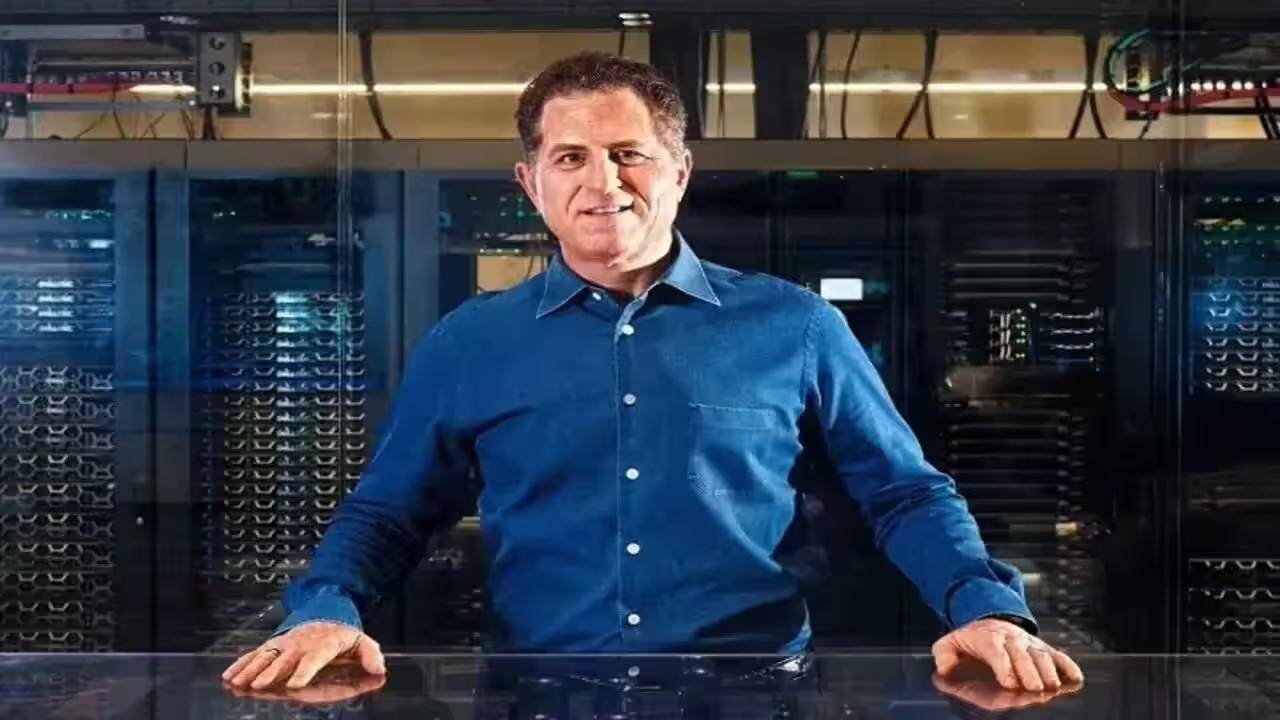
Dell Technologies CEO Michael Dell has forecasted a prolonged semiconductor shortage that could last through 2026 and into 2027. This shortage is largely driven by the rapid advancement of artificial intelligence technology, which is outpacing the manufacturing sector's ability to keep up with demand. As a result, significant and lasting supply issues are expected to arise.
The shortage is expected to have a significant impact on the availability of essential hardware, leading to higher prices for customers. However, according to Michael Dell, customers often go through 'five stages of grief' when faced with price hikes, eventually coming to terms with the new prices.
The manufacturing sector is struggling to meet the growing demand for semiconductors, which are a crucial component in the production of AI-powered hardware. The shortage is expected to persist despite efforts to increase production, with some experts predicting that it could take several years for the supply chain to recover.
The impact of the shortage will be felt across various industries, including technology, automotive, and healthcare. Businesses that rely heavily on AI-powered hardware will be particularly affected, as they will need to pay higher prices for essential equipment.
Despite the challenges posed by the shortage, Michael Dell remains optimistic about the future of AI technology. He believes that the benefits of AI, including increased efficiency and innovation, will continue to drive demand for AI-powered hardware.
The prolonged semiconductor shortage is a concern for businesses and individuals alike, as it will lead to higher prices and reduced availability of essential hardware. However, as Michael Dell noted, customers will eventually come to terms with the new prices and continue to invest in AI-powered technology.
In the long run, the shortage is expected to drive innovation in the manufacturing sector, as companies seek to develop new and more efficient ways of producing semiconductors. This could lead to the development of new technologies and business models, which could help to mitigate the impact of the shortage.
Overall, the forecast by Michael Dell highlights the significant challenges posed by the semiconductor shortage, but also underscores the importance of AI technology in driving innovation and efficiency. As the shortage persists, businesses and individuals will need to adapt to the new reality and find ways to navigate the challenges posed by the shortage.
The situation is being closely monitored by industry experts, who are working to develop strategies to mitigate the impact of the shortage. In the meantime, customers will need to be prepared to pay higher prices for essential hardware, as the semiconductor shortage continues to affect the global supply chain.
In conclusion, the prolonged semiconductor shortage forecasted by Michael Dell is a significant concern for businesses and individuals alike. However, as the technology continues to evolve, it is likely that new solutions will emerge to address the shortage and drive innovation in the manufacturing sector.
The future of AI technology remains bright, despite the challenges posed by the semiconductor shortage. As businesses and individuals continue to invest in AI-powered hardware, the demand for semiconductors will continue to drive innovation and efficiency.
Frequently asked questions
What is the expected duration of the semiconductor shortage?
The shortage is expected to last through 2026 and into 2027.
How will the shortage affect customers?
Customers will face higher prices for essential hardware, but will eventually come to terms with the new prices.