Greenland Shark's 400-Year Lifespan May Aid Human Eyesight
Scientists study shark's longevity, eye health benefits. Research may help protect human eyesight.

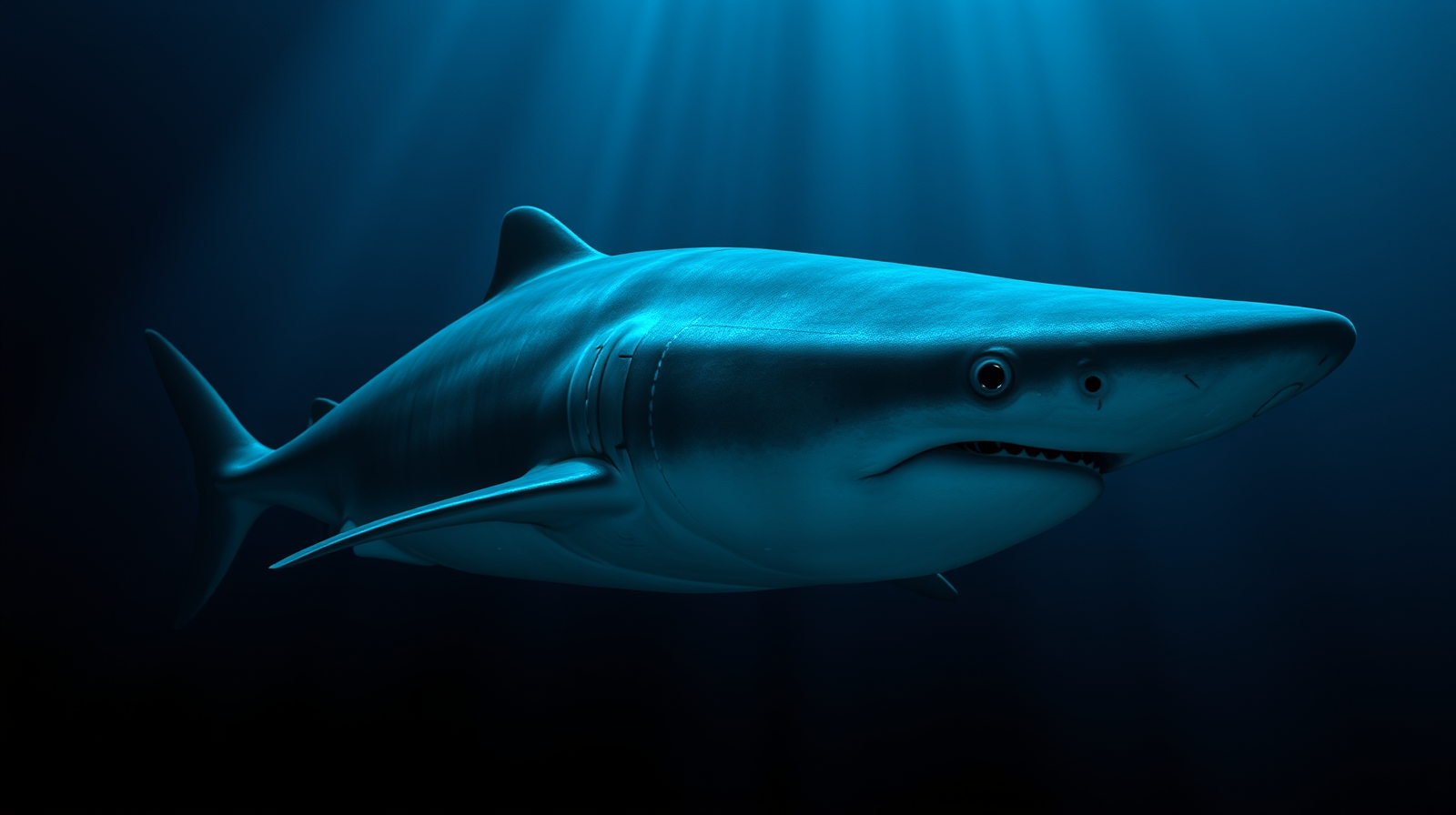
A recent study on the Greenland shark's remarkable 400-year lifespan has sparked interest among scientists, who believe that understanding the shark's longevity could hold the key to protecting human eyesight. The Greenland shark, found in the Arctic and North Atlantic oceans, is known to be one of the longest-living vertebrates on the planet.
The shark's exceptional lifespan is attributed to its slow growth rate and ability to adapt to its environment. Scientists are eager to uncover the secrets behind the shark's longevity, particularly in relation to its eye health. The Greenland shark's eyes are remarkably resistant to age-related diseases, such as cataracts and macular degeneration, which are common among humans.
Researchers are studying the shark's eye tissue to identify the unique characteristics that contribute to its exceptional eye health. They hope to discover new ways to protect human eyesight and prevent age-related eye diseases. The study of the Greenland shark's eyes may also lead to the development of new treatments for human eye diseases.
The Greenland shark's longevity has been a subject of interest among scientists for decades. In the 1990s, a study on the shark's radiocarbon dating revealed that it could live for up to 400 years. Since then, researchers have been working to understand the shark's biology and how it is able to live for so long.
The study of the Greenland shark's eye health is a significant step forward in the quest to protect human eyesight. Age-related eye diseases are a major concern among older adults, and finding new ways to prevent or treat these diseases could improve the quality of life for millions of people.
The research on the Greenland shark's longevity and eye health is ongoing, and scientists are hopeful that their findings will lead to breakthroughs in the field of ophthalmology. As they continue to study the shark's remarkable biology, they may uncover even more secrets that could benefit human health.
In the context of human health, the study of the Greenland shark's eye health is particularly relevant. Age-related eye diseases are a growing concern, and finding new ways to prevent or treat these diseases is essential. The research on the Greenland shark's longevity and eye health may also have implications for our understanding of human aging and age-related diseases.
The discovery of the Greenland shark's remarkable longevity and eye health has sparked a new wave of interest in the scientific community. As researchers continue to study the shark's biology, they may uncover even more secrets that could benefit human health. The potential benefits of this research are significant, and scientists are hopeful that their findings will lead to breakthroughs in the field of ophthalmology.
In conclusion, the study of the Greenland shark's 400-year lifespan and its remarkable eye health may hold the key to protecting human eyesight. The research on the shark's longevity and eye health is ongoing, and scientists are hopeful that their findings will lead to breakthroughs in the field of ophthalmology. The potential benefits of this research are significant, and it may improve the quality of life for millions of people around the world.
The significance of this research cannot be overstated. The study of the Greenland shark's eye health may lead to the development of new treatments for human eye diseases, and it may also improve our understanding of human aging and age-related diseases. As scientists continue to study the shark's remarkable biology, they may uncover even more secrets that could benefit human health. The research on the Greenland shark's longevity and eye health is a significant step forward in the quest to protect human eyesight, and it may have a major impact on our understanding of human health and aging.