Satya Niketan Building Collapse Kills 7
Seven dead, many injured in Satya Niketan building collapse. Owners' liability under scrutiny.
'%3E%3Crect%20width%3D'96'%20height%3D'96'%20fill%3D'%23B3261E'%2F%3E%3Ccircle%20cx%3D'30'%20cy%3D'24'%20r%3D'44'%20fill%3D'%23fff'%20opacity%3D'.12'%2F%3E%3Ccircle%20cx%3D'60'%20cy%3D'74'%20r%3D'40'%20fill%3D'%23000'%20opacity%3D'.10'%2F%3E%3C%2Fg%3E%3Cg%20fill%3D'%23fff'%3E%3Crect%20x%3D'29'%20y%3D'49'%20width%3D'8'%20height%3D'19'%20rx%3D'1'%2F%3E%3Crect%20x%3D'39'%20y%3D'40'%20width%3D'9'%20height%3D'28'%20rx%3D'1'%2F%3E%3Crect%20x%3D'50'%20y%3D'45'%20width%3D'8'%20height%3D'23'%20rx%3D'1'%2F%3E%3Crect%20x%3D'60'%20y%3D'53'%20width%3D'7'%20height%3D'15'%20rx%3D'1'%2F%3E%3Crect%20x%3D'41'%20y%3D'34'%20width%3D'5'%20height%3D'6'%2F%3E%3C%2Fg%3E%3C%2Fsvg%3E)
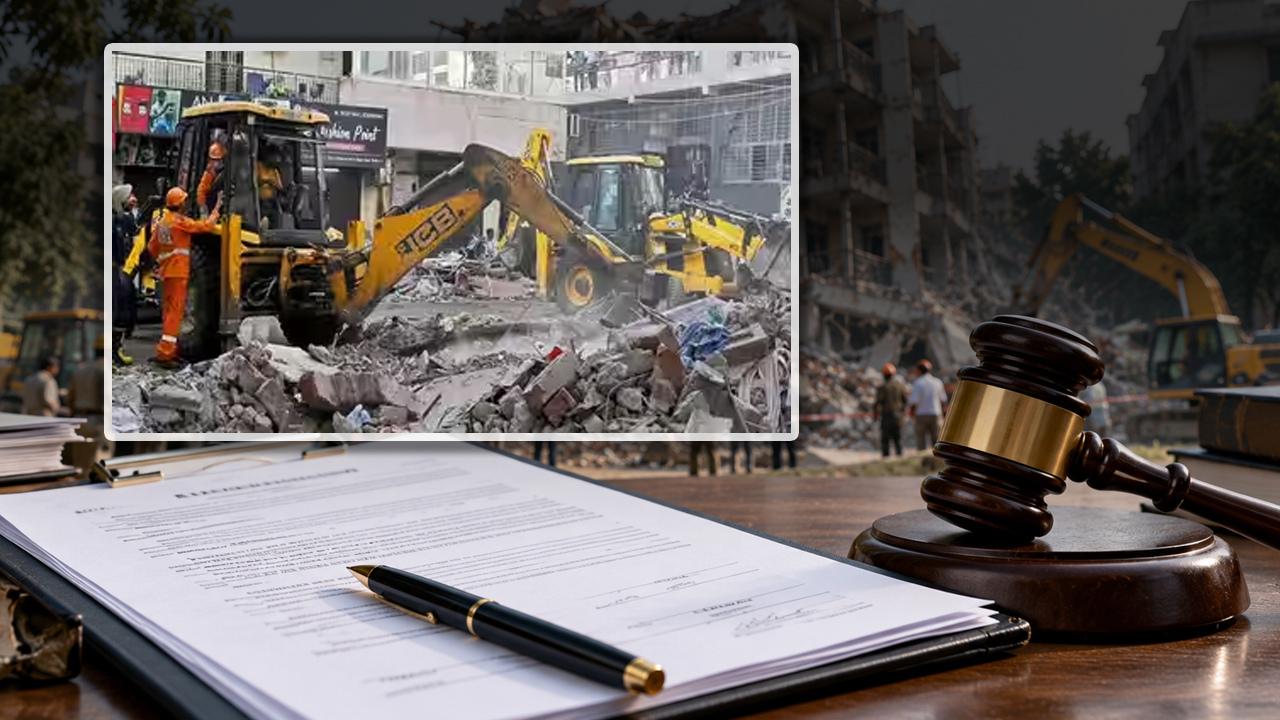
A devastating building collapse in Satya Niketan has resulted in the loss of seven lives and left several others injured. The incident has raised questions about the responsibility of the building owners, particularly those operating paying guest (PG) facilities.
Investigations into the collapse are ongoing, with authorities working to determine the cause of the disaster. In the aftermath of the tragedy, attention has turned to the rent agreements signed by tenants, which often include disclaimer clauses attempting to absolve the owners of liability.
However, according to legal experts, such clauses are not sufficient to shield PG owners from responsibility. These experts argue that no clause can permit conduct that violates legal duties, and that owners cannot simply disclaim their obligations to provide a safe environment for their tenants.
The families of the victims may still be able to seek compensation if it can be proven that negligence or other wrongdoing contributed to the collapse. This will depend on the outcome of the investigations, which will examine the actions of both the building owners and the relevant authorities.
In recent years, there have been several instances of building collapses in India, highlighting the need for greater oversight and enforcement of safety regulations. The Satya Niketan tragedy serves as a stark reminder of the importance of ensuring that buildings are properly maintained and that owners are held accountable for their actions.
As the investigation into the Satya Niketan building collapse continues, it is likely that more information will come to light about the circumstances surrounding the tragedy. For now, the focus remains on supporting the families of the victims and determining the ultimate responsibility of those involved.
The incident has also sparked a wider debate about the regulation of PG facilities and the need for greater protections for tenants. Many have called for stricter safety standards and more robust enforcement mechanisms to prevent such tragedies from occurring in the future.
In the context of Indian law, the concept of liability is clear: owners have a duty to ensure that their properties are safe for occupants. Any attempt to circumvent this duty through disclaimer clauses or other means is unlikely to be upheld in court.
As the city mourns the loss of life in Satya Niketan, it is clear that this tragedy will have far-reaching implications for building owners, authorities, and tenants alike. The road to justice for the victims and their families will be long and complex, but it is essential that those responsible are held accountable for their actions.
The Satya Niketan building collapse is a sobering reminder of the importance of prioritizing safety and accountability in the construction and maintenance of buildings. It is only through a concerted effort to address these issues that we can hope to prevent such tragedies from occurring in the future.
In conclusion, while the investigation into the Satya Niketan building collapse is ongoing, one thing is clear: the owners of the building cannot simply disclaim their responsibility through disclaimer clauses. The law is clear, and those who have suffered losses will have the opportunity to seek justice and compensation.
Frequently asked questions
Can a 'no-responsibility' clause shield a PG owner from liability?
No, legal experts state that such clauses cannot permit conduct violating legal duties.
What is the next step for the families of the victims?
The families of the victims may still be able to seek compensation if negligence or other wrongdoing is proven.