US-Saudi Nuclear Deal Raises Proliferation Concerns
Trump administration advances nuclear pact, sparking alarm over global risks. Deal may allow Saudi Arabia uranium enrichment. Critics fear arms race.
'%3E%3Crect%20width%3D'96'%20height%3D'96'%20fill%3D'%234A235A'%2F%3E%3Ccircle%20cx%3D'30'%20cy%3D'24'%20r%3D'44'%20fill%3D'%23fff'%20opacity%3D'.12'%2F%3E%3Ccircle%20cx%3D'60'%20cy%3D'74'%20r%3D'40'%20fill%3D'%23000'%20opacity%3D'.10'%2F%3E%3C%2Fg%3E%3Cg%20fill%3D'none'%20stroke%3D'%23fff'%20stroke-width%3D'3'%3E%3Ccircle%20cx%3D'48'%20cy%3D'48'%20r%3D'16'%2F%3E%3Cellipse%20cx%3D'48'%20cy%3D'48'%20rx%3D'6.5'%20ry%3D'16'%2F%3E%3Cline%20x1%3D'32'%20y1%3D'42'%20x2%3D'64'%20y2%3D'42'%2F%3E%3Cline%20x1%3D'32'%20y1%3D'54'%20x2%3D'64'%20y2%3D'54'%2F%3E%3C%2Fg%3E%3C%2Fsvg%3E)
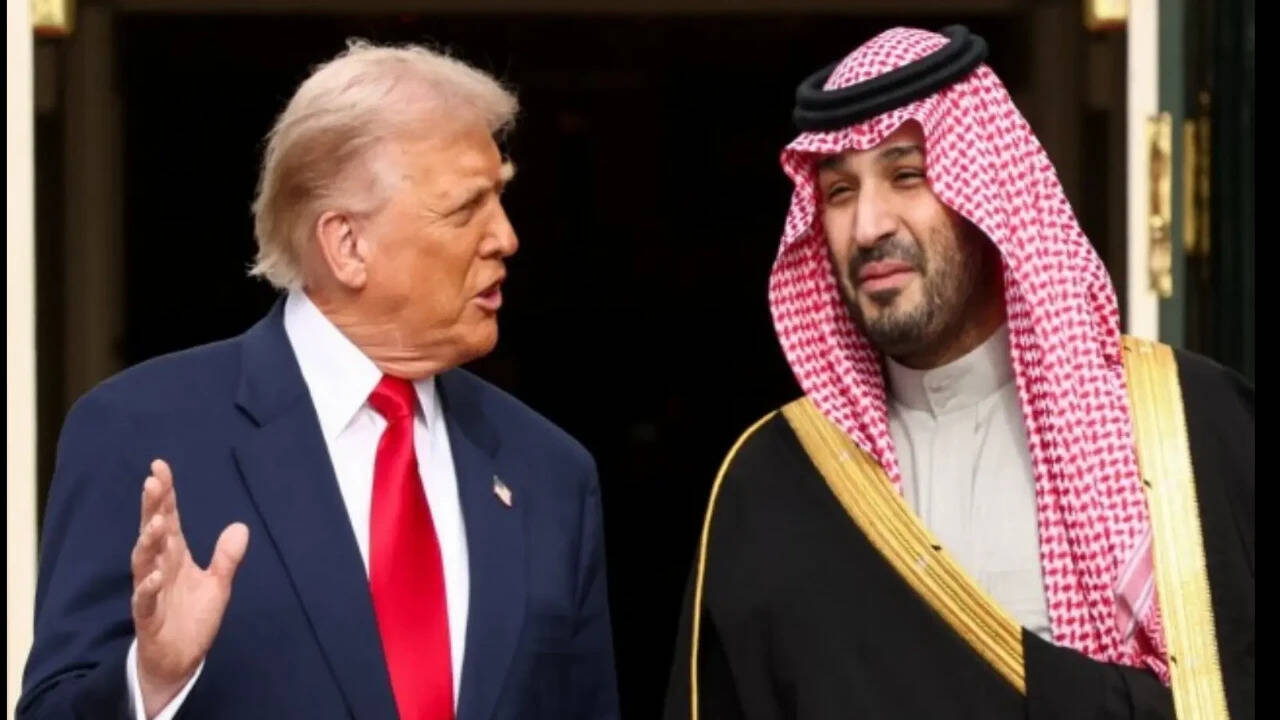
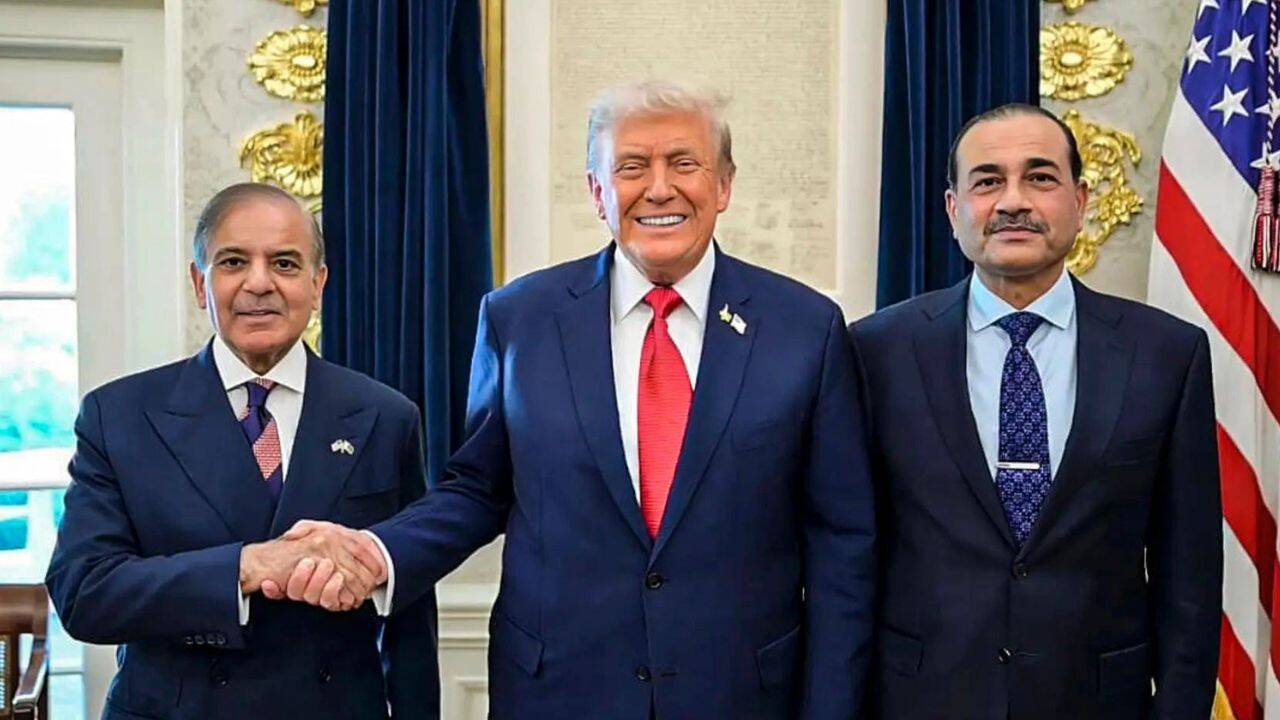
The Trump administration is moving forward with a civil nuclear agreement with Saudi Arabia, a pact that could enable the kingdom to engage in uranium enrichment and spent fuel processing. This development has triggered concerns among critics, who fear that such a deal may undermine global non-proliferation norms and potentially spark an arms race in the region.
Saudi Arabia's interest in nuclear power stems from its desire to diversify its economy and reduce its reliance on fossil fuels. The kingdom aims to develop a nuclear energy program that would help it achieve these goals. However, the proposed deal has raised eyebrows due to the potential risks associated with allowing Saudi Arabia to enrich uranium and process spent fuel.
The agreement is set to undergo congressional review, where it may face opposition from lawmakers who are concerned about the safeguards in place to prevent the proliferation of nuclear weapons. Critics argue that the deal's provisions may be too lenient, allowing Saudi Arabia to develop capabilities that could be used for military purposes.
The non-proliferation community has long been concerned about the risks of nuclear proliferation in the Middle East, where several countries are seeking to develop nuclear energy programs. The proposed US-Saudi nuclear deal has added to these concerns, with many experts warning that it could set a dangerous precedent for other countries in the region.
The Trump administration has argued that the deal includes robust safeguards to prevent the proliferation of nuclear weapons. However, critics remain skeptical, pointing out that the agreement's provisions may not be sufficient to prevent Saudi Arabia from developing nuclear capabilities that could be used for military purposes.
As the deal undergoes congressional review, lawmakers will be scrutinizing its provisions closely to determine whether they are sufficient to prevent the proliferation of nuclear weapons. The outcome of this review will have significant implications for the future of nuclear non-proliferation efforts and the stability of the Middle East region.
The proposed US-Saudi nuclear deal is a complex issue that involves a delicate balance between promoting economic development and preventing the proliferation of nuclear weapons. While Saudi Arabia's desire to develop nuclear energy is understandable, the risks associated with allowing the kingdom to enrich uranium and process spent fuel cannot be ignored.
In the end, the significance of the proposed US-Saudi nuclear deal lies in its potential to impact global non-proliferation norms and the stability of the Middle East region. As the international community continues to grapple with the challenges of nuclear proliferation, the outcome of this deal will be closely watched by experts and policymakers around the world.
Frequently asked questions
What is the main concern about the US-Saudi nuclear deal?
The main concern is that the deal may allow Saudi Arabia to develop nuclear capabilities that could be used for military purposes, undermining global non-proliferation norms.
Why is Saudi Arabia seeking nuclear power?
Saudi Arabia is seeking nuclear power for economic diversification and reduced fossil fuel reliance.