SC Rejects Anti-HPV Vaccine PIL
SC dismisses PIL against HPV vaccine, cites ulterior motive.
'%3E%3Crect%20width%3D'96'%20height%3D'96'%20fill%3D'%23B3261E'%2F%3E%3Ccircle%20cx%3D'30'%20cy%3D'24'%20r%3D'44'%20fill%3D'%23fff'%20opacity%3D'.12'%2F%3E%3Ccircle%20cx%3D'60'%20cy%3D'74'%20r%3D'40'%20fill%3D'%23000'%20opacity%3D'.10'%2F%3E%3C%2Fg%3E%3Cg%20fill%3D'%23fff'%3E%3Crect%20x%3D'29'%20y%3D'49'%20width%3D'8'%20height%3D'19'%20rx%3D'1'%2F%3E%3Crect%20x%3D'39'%20y%3D'40'%20width%3D'9'%20height%3D'28'%20rx%3D'1'%2F%3E%3Crect%20x%3D'50'%20y%3D'45'%20width%3D'8'%20height%3D'23'%20rx%3D'1'%2F%3E%3Crect%20x%3D'60'%20y%3D'53'%20width%3D'7'%20height%3D'15'%20rx%3D'1'%2F%3E%3Crect%20x%3D'41'%20y%3D'34'%20width%3D'5'%20height%3D'6'%2F%3E%3C%2Fg%3E%3C%2Fsvg%3E)
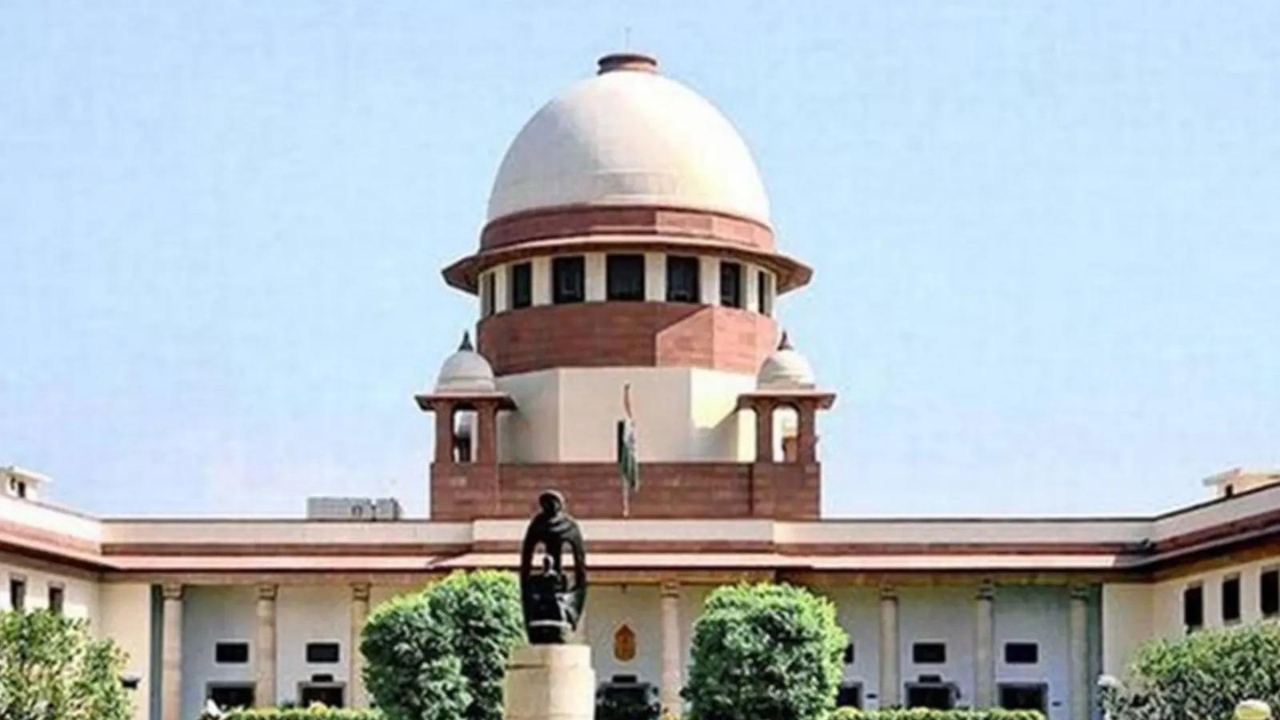
The Supreme Court has rejected a Public Interest Litigation (PIL) filed against the Human Papillomavirus (HPV) vaccine. The court stated that the plea had an ulterior motive behind it.
The PIL was filed seeking a ban on the HPV vaccine, which is administered to prevent cervical cancer in women. However, the court did not find any merit in the plea and dismissed it.
The HPV vaccine is widely used in many countries to prevent cervical cancer, which is one of the leading causes of cancer deaths among women. The vaccine has been approved by the World Health Organization (WHO) and other global health authorities.
In India, the HPV vaccine is part of the national immunization program, aiming to reduce the incidence of cervical cancer. The vaccine is administered to girls in the age group of 9-14 years.
The court's decision is seen as a significant step in promoting public health and preventing the spread of misinformation about vaccines. The Indian government has been actively promoting vaccination programs to prevent various diseases, including cervical cancer.
The rejection of the PIL is expected to boost the confidence of healthcare professionals and the general public in the safety and efficacy of the HPV vaccine.
The Supreme Court's decision highlights the importance of relying on scientific evidence and expert opinions when making decisions about public health. It also underscores the need to be cautious of misinformation and vested interests that can hinder the progress of public health initiatives.
In recent years, there has been a growing concern about the spread of misinformation about vaccines, which can lead to a decline in vaccination rates and an increase in the incidence of vaccine-preventable diseases. The court's decision is a step in the right direction to address this issue and promote public health.
The Indian government and healthcare authorities will continue to promote the HPV vaccine as part of the national immunization program, aiming to reduce the incidence of cervical cancer and other vaccine-preventable diseases.
The Supreme Court's decision is a significant milestone in the promotion of public health and the prevention of cervical cancer in India. It is expected to have a positive impact on the health and well-being of millions of women in the country.
The court's rejection of the PIL is also a reminder of the importance of a robust and independent judiciary in promoting public health and preventing the spread of misinformation.
In conclusion, the Supreme Court's decision to reject the PIL against the HPV vaccine is a significant step in promoting public health and preventing the spread of misinformation about vaccines. It highlights the importance of relying on scientific evidence and expert opinions when making decisions about public health and underscores the need to be cautious of vested interests that can hinder the progress of public health initiatives.
Frequently asked questions
What is the HPV vaccine used for?
The HPV vaccine is used to prevent cervical cancer in women.
Why did the SC reject the PIL against the HPV vaccine?
The SC rejected the PIL because it had an ulterior motive behind it.