Nepal Floods: 2000-ft Glacier Triggers Disaster
A massive glacier burst in Nepal causes deadly floods. Many are missing.
'%3E%3Crect%20width%3D'96'%20height%3D'96'%20fill%3D'%23B3261E'%2F%3E%3Ccircle%20cx%3D'30'%20cy%3D'24'%20r%3D'44'%20fill%3D'%23fff'%20opacity%3D'.12'%2F%3E%3Ccircle%20cx%3D'60'%20cy%3D'74'%20r%3D'40'%20fill%3D'%23000'%20opacity%3D'.10'%2F%3E%3C%2Fg%3E%3Cg%20fill%3D'%23fff'%3E%3Crect%20x%3D'29'%20y%3D'49'%20width%3D'8'%20height%3D'19'%20rx%3D'1'%2F%3E%3Crect%20x%3D'39'%20y%3D'40'%20width%3D'9'%20height%3D'28'%20rx%3D'1'%2F%3E%3Crect%20x%3D'50'%20y%3D'45'%20width%3D'8'%20height%3D'23'%20rx%3D'1'%2F%3E%3Crect%20x%3D'60'%20y%3D'53'%20width%3D'7'%20height%3D'15'%20rx%3D'1'%2F%3E%3Crect%20x%3D'41'%20y%3D'34'%20width%3D'5'%20height%3D'6'%2F%3E%3C%2Fg%3E%3C%2Fsvg%3E)
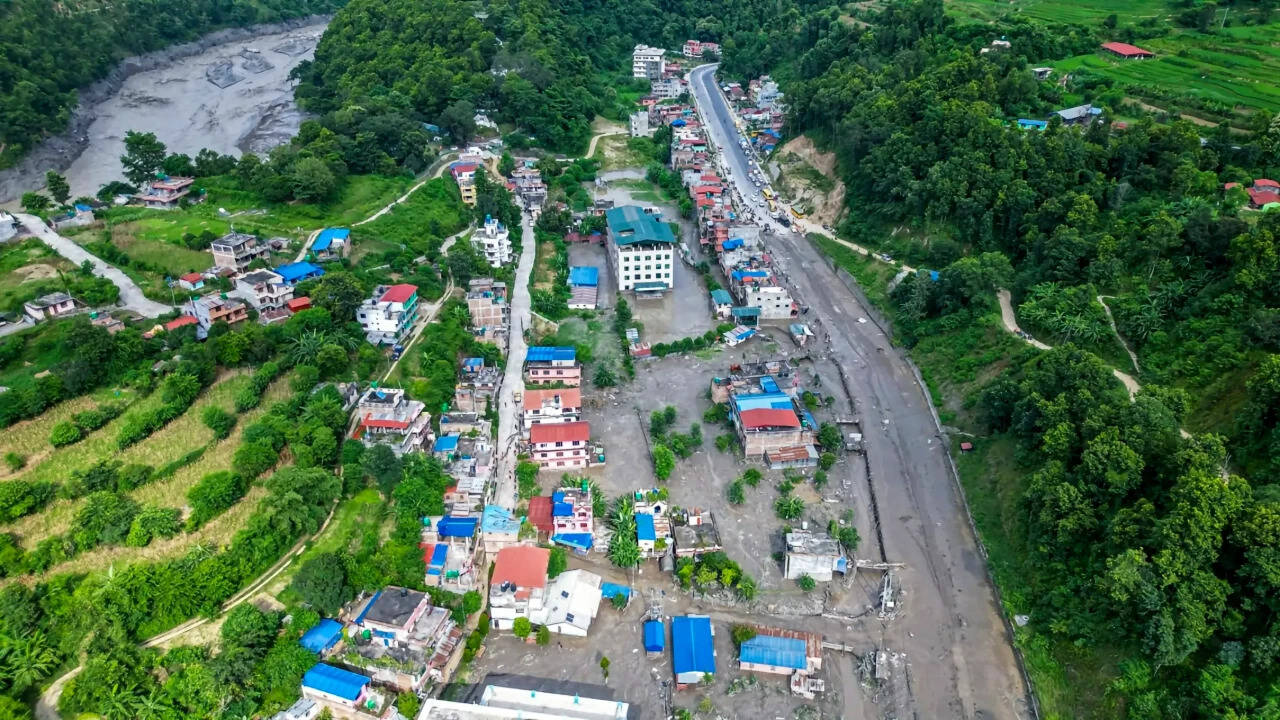
A devastating flood in Nepal was triggered by a 2000-ft wide glacier burst, leaving a trail of destruction and death in its wake. The disaster occurred when the glacier, located in the Himalayas, suddenly collapsed, releasing a massive amount of water into the surrounding area.
The resulting flood was catastrophic, with eyewitnesses describing the scene as 'like a bomb exploded'. The floodwaters swept through several villages, causing widespread damage and destruction. Many people are still missing, and the death toll is expected to rise as rescue efforts continue.
The Nepalese government has launched a rescue operation, with teams working to locate and evacuate those affected by the flood. The authorities are also working to provide aid and assistance to those in need.
The glacier burst is believed to have been caused by rising temperatures, which are melting the glaciers in the Himalayas at an alarming rate. This is not the first time a glacier burst has triggered a flood in Nepal, and experts warn that such events are likely to become more frequent in the future.
The Himalayas are home to many glaciers, which are sensitive to changes in temperature. As the climate continues to warm, the risk of glacier bursts and subsequent floods increases. This highlights the need for urgent action to address the issue of climate change and its impact on vulnerable communities.
The Nepalese government and international organizations are working together to provide support and assistance to those affected by the flood. The disaster has also raised concerns about the impact of climate change on the region and the need for more effective measures to mitigate its effects.
In recent years, Nepal has experienced several floods and landslides, which have resulted in significant loss of life and property. The country is considered one of the most vulnerable to the impacts of climate change, and the recent flood is a stark reminder of the need for urgent action.
The international community has expressed its condolences and support for the people of Nepal, and efforts are underway to provide aid and assistance to those affected by the disaster. As the rescue efforts continue, the focus will shift to rebuilding and recovering from the devastating impact of the flood.
The disaster has also highlighted the importance of disaster preparedness and response, and the need for more effective measures to mitigate the effects of climate change. The Nepalese government and international organizations will need to work together to develop strategies to address the issue and provide support to vulnerable communities.
In conclusion, the Nepal floods triggered by the 2000-ft wide glacier burst are a stark reminder of the devastating impact of climate change. The disaster has resulted in significant loss of life and property, and highlights the need for urgent action to address the issue. The international community must come together to provide support and assistance to those affected and work towards developing effective measures to mitigate the effects of climate change.
Frequently asked questions
What triggered the Nepal floods?
A 2000-ft wide glacier burst triggered the deadly floods in Nepal.
What is the cause of the glacier burst?
Rising temperatures, which are melting the glaciers in the Himalayas, are believed to have caused the glacier burst.