BMC Reports 7,951 Commercial Property Cases to Supreme Court
Bhopal Municipal Corporation's crackdown on commercial activities in residential areas under scrutiny. Discrepancy in figures reported to Supreme Court.
'%3E%3Crect%20width%3D'96'%20height%3D'96'%20fill%3D'%23B3261E'%2F%3E%3Ccircle%20cx%3D'30'%20cy%3D'24'%20r%3D'44'%20fill%3D'%23fff'%20opacity%3D'.12'%2F%3E%3Ccircle%20cx%3D'60'%20cy%3D'74'%20r%3D'40'%20fill%3D'%23000'%20opacity%3D'.10'%2F%3E%3C%2Fg%3E%3Cg%20fill%3D'%23fff'%3E%3Crect%20x%3D'29'%20y%3D'49'%20width%3D'8'%20height%3D'19'%20rx%3D'1'%2F%3E%3Crect%20x%3D'39'%20y%3D'40'%20width%3D'9'%20height%3D'28'%20rx%3D'1'%2F%3E%3Crect%20x%3D'50'%20y%3D'45'%20width%3D'8'%20height%3D'23'%20rx%3D'1'%2F%3E%3Crect%20x%3D'60'%20y%3D'53'%20width%3D'7'%20height%3D'15'%20rx%3D'1'%2F%3E%3Crect%20x%3D'41'%20y%3D'34'%20width%3D'5'%20height%3D'6'%2F%3E%3C%2Fg%3E%3C%2Fsvg%3E)
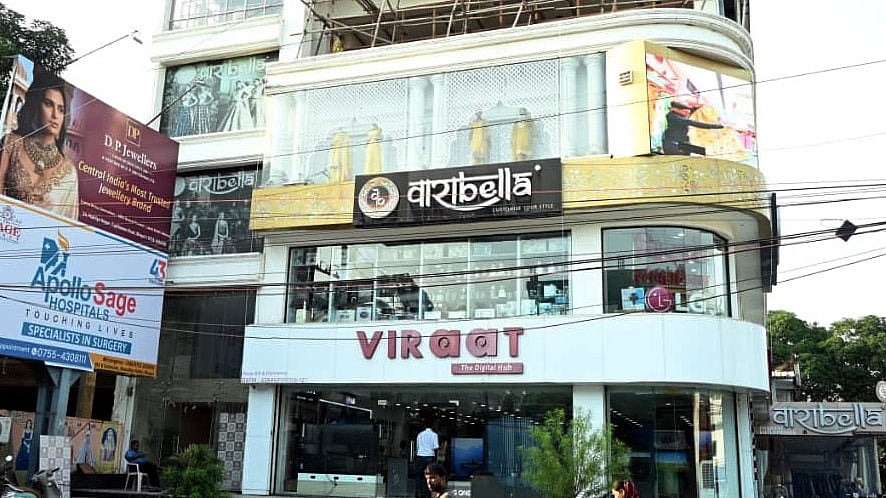
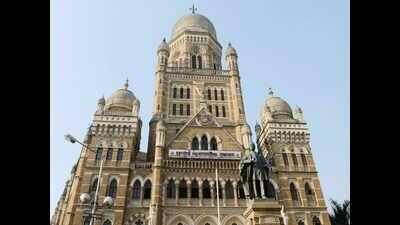
The Bhopal Municipal Corporation's (BMC) efforts to curb commercial activities in residential areas have come under scrutiny due to a significant discrepancy in the figures reported to the Supreme Court.
After a Supreme Court hearing on August 5, BMC officials claimed that over 62,000 commercial properties had been identified for allegedly conducting commercial activities in residential zones. However, in an affidavit prepared for the September 15 Supreme Court hearing, the corporation reported only 7,951 cases in which Rule-11 notices were issued.
This sharp difference has raised questions about the basis of the earlier 62,000-property figure. The BMC's zone-wise figures show a total of 7,617 cases, while the affidavit mentions 7,951 cases, leaving a further difference of 334 cases.
The Supreme Court has sought affidavits and reports on compliance with its earlier directions concerning building safety, following the Satya Niketan building collapse in Delhi, which killed seven people and injured 12. The BMC will have to provide details of dilapidated buildings and action taken against them.
The affidavit states that 190 premises were closed and sealed for unauthorized use. However, corporation records indicate that only seven establishments were actually sealed, while panchnamas were prepared for the voluntary closure of 183 premises.
Apart from land-use violations, the corporation has identified 296 cases of unauthorized construction or deviations from sanctioned building plans. Notices were issued under Sections 302(1) and 307(2). Hearings have been completed in 124 cases, while illegal constructions or encroachments were removed in 75 cases.
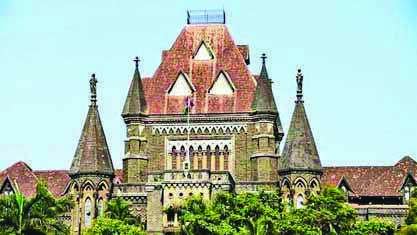
A three-year-old notice remains pending for an electronic showroom in Arera E-1, which received a corporation notice in 2019 over commercial use in a residential area. The High Court subsequently granted a 15-day window before action could be taken. That period expired nearly three years ago, but the corporation has yet to take action.
The matter is scheduled for hearing on September 15 at 2 pm. The BMC will have to provide a clear explanation for the discrepancy in the figures and the actions taken against commercial properties in residential areas.
The Supreme Court's directions on building safety and the BMC's efforts to curb commercial activities in residential areas are crucial for ensuring the safety and well-being of citizens. The corporation must provide accurate and transparent information to the court and take effective action against unauthorized constructions and land-use violations.
In conclusion, the discrepancy in the figures reported by the BMC to the Supreme Court has raised concerns about the effectiveness of the corporation's efforts to curb commercial activities in residential areas. The corporation must take immediate action to address these concerns and provide a clear explanation for the discrepancy in the figures.
Frequently asked questions
What is the discrepancy in the figures reported by the BMC?
The BMC reported 62,000 commercial properties initially, but later reported 7,951 cases in which Rule-11 notices were issued, showing a significant difference.
What action has the BMC taken against unauthorized constructions?
The corporation has identified 296 cases of unauthorized construction and issued notices under Sections 302(1) and 307(2), with hearings completed in 124 cases and illegal constructions removed in 75 cases.