RBI Introduces New Loan Recovery Rules From 2027
New rules restrict EMI calls to 8 AM-7 PM, ban harassment and intimidation
'%3E%3Crect%20width%3D'96'%20height%3D'96'%20fill%3D'%230B6E4F'%2F%3E%3Ccircle%20cx%3D'30'%20cy%3D'24'%20r%3D'44'%20fill%3D'%23fff'%20opacity%3D'.12'%2F%3E%3Ccircle%20cx%3D'60'%20cy%3D'74'%20r%3D'40'%20fill%3D'%23000'%20opacity%3D'.10'%2F%3E%3C%2Fg%3E%3Cg%20fill%3D'none'%20stroke%3D'%23fff'%20stroke-width%3D'3.2'%20stroke-linecap%3D'round'%20stroke-linejoin%3D'round'%3E%3Cpolyline%20points%3D'31%2C59%2041%2C49%2049%2C54%2063%2C37'%2F%3E%3Cpolyline%20points%3D'55%2C37%2063%2C37%2063%2C45'%2F%3E%3C%2Fg%3E%3C%2Fsvg%3E)
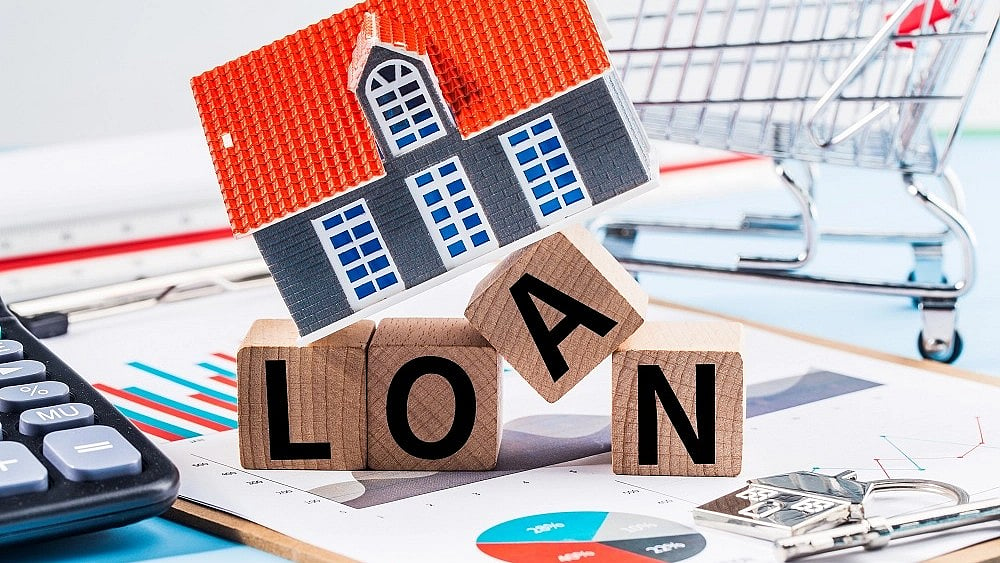
The Reserve Bank of India (RBI) has introduced a new regulatory framework for loan recovery practices, aimed at preventing harassment of borrowers who fail to repay equated monthly instalments (EMIs) on time. The new guidelines will come into effect from January 1, 2027, and require banks and regulated lending institutions to follow stricter procedures while communicating with borrowers.
The framework lays down clear rules on calling hours, physical visits, data usage, agent conduct, and remote restriction of financed electronic devices. Recovery-related calls and visits will generally be permitted only between 8 am and 7 pm. Any communication outside this time window will require prior request or approval from the borrower.
The central bank has also instructed recovery agents to avoid contacting individuals during sensitive personal situations, including bereavements, medical emergencies, or important family occasions such as marriages. The RBI has prohibited aggressive recovery practices, including threatening language, abusive communication, intimidation, or repeated unwanted calls.
Recovery agents cannot make anonymous calls or threaten borrowers with damage to their reputation, property, or family relationships. The use of social media for borrower humiliation has also been banned. Agents cannot share personal details, photographs, videos, or audio recordings of borrowers publicly to pressure them into making payments.
The RBI has introduced additional safeguards for physical recovery visits. Before making the first in-person visit, recovery agencies must inform borrowers at least one day in advance. Banks will also have to provide details of the recovery agency assigned to the borrower’s account. Borrowers should normally be contacted at a location preferred by them.
A recovery agent can visit their residence or workplace only when no preferred location has been provided or when the borrower repeatedly fails to appear at the agreed location. During any visit, agents must carry proper identification documents, including an identity card, authorisation letter, and relevant notices.
The RBI has also placed greater responsibility on banks to monitor recovery agencies. Even when collections are outsourced, lenders will remain accountable for ensuring that agents follow regulatory requirements. Banks will be required to record recovery calls and maintain a record of all interactions with borrowers.
The move is expected to bring greater transparency and accountability to the loan recovery process. The new guidelines are a significant step towards protecting the rights of borrowers and preventing harassment by recovery agents.
The introduction of these new rules is a positive development for borrowers, as it will help to prevent unfair and intimidating recovery practices. The RBI's decision to introduce these guidelines is a testament to its commitment to protecting the rights of consumers and promoting a fair and transparent lending environment.
In conclusion, the new loan recovery rules introduced by the RBI are a significant step towards preventing harassment of borrowers and promoting a fair and transparent lending environment. The rules will come into effect from January 1, 2027, and will require banks and regulated lending institutions to follow stricter procedures while communicating with borrowers.
The impact of these new rules will be significant, as they will help to prevent unfair and intimidating recovery practices. Borrowers will be protected from harassment and intimidation, and will have greater control over the loan recovery process. The new rules will also promote a fair and transparent lending environment, which will benefit both borrowers and lenders.
Overall, the introduction of these new rules is a positive development for the lending industry, and will help to promote a fair and transparent lending environment. The RBI's decision to introduce these guidelines is a testament to its commitment to protecting the rights of consumers and promoting a fair and transparent lending environment.
The new rules will also have a significant impact on the way banks and regulated lending institutions operate. They will be required to follow stricter procedures while communicating with borrowers, and will be held accountable for ensuring that recovery agents follow regulatory requirements. This will help to promote a fair and transparent lending environment, and will protect the rights of borrowers.
In the long run, the introduction of these new rules will help to promote a fair and transparent lending environment, and will protect the rights of borrowers. The rules will help to prevent unfair and intimidating recovery practices, and will promote a positive and respectful relationship between lenders and borrowers.
The RBI's decision to introduce these guidelines is a significant step towards promoting a fair and transparent lending environment. The new rules will come into effect from January 1, 2027, and will require banks and regulated lending institutions to follow stricter procedures while communicating with borrowers. The impact of these new rules will be significant, and will help to promote a fair and transparent lending environment.
Frequently asked questions
What are the new loan recovery rules introduced by the RBI?
The RBI has introduced new guidelines for loan recovery practices, which include restricting EMI calls to 8 AM-7 PM, banning harassment and intimidation, and introducing additional safeguards for physical recovery visits.
When will the new loan recovery rules come into effect?
The new rules will come into effect from January 1, 2027.