India Buys More Gold, Cuts US Treasuries
India and China increase gold reserves, reduce US Treasury holdings. Central banks seek hedge against inflation.
'%3E%3Crect%20width%3D'96'%20height%3D'96'%20fill%3D'%234A235A'%2F%3E%3Ccircle%20cx%3D'30'%20cy%3D'24'%20r%3D'44'%20fill%3D'%23fff'%20opacity%3D'.12'%2F%3E%3Ccircle%20cx%3D'60'%20cy%3D'74'%20r%3D'40'%20fill%3D'%23000'%20opacity%3D'.10'%2F%3E%3C%2Fg%3E%3Cg%20fill%3D'none'%20stroke%3D'%23fff'%20stroke-width%3D'3'%3E%3Ccircle%20cx%3D'48'%20cy%3D'48'%20r%3D'16'%2F%3E%3Cellipse%20cx%3D'48'%20cy%3D'48'%20rx%3D'6.5'%20ry%3D'16'%2F%3E%3Cline%20x1%3D'32'%20y1%3D'42'%20x2%3D'64'%20y2%3D'42'%2F%3E%3Cline%20x1%3D'32'%20y1%3D'54'%20x2%3D'64'%20y2%3D'54'%2F%3E%3C%2Fg%3E%3C%2Fsvg%3E)
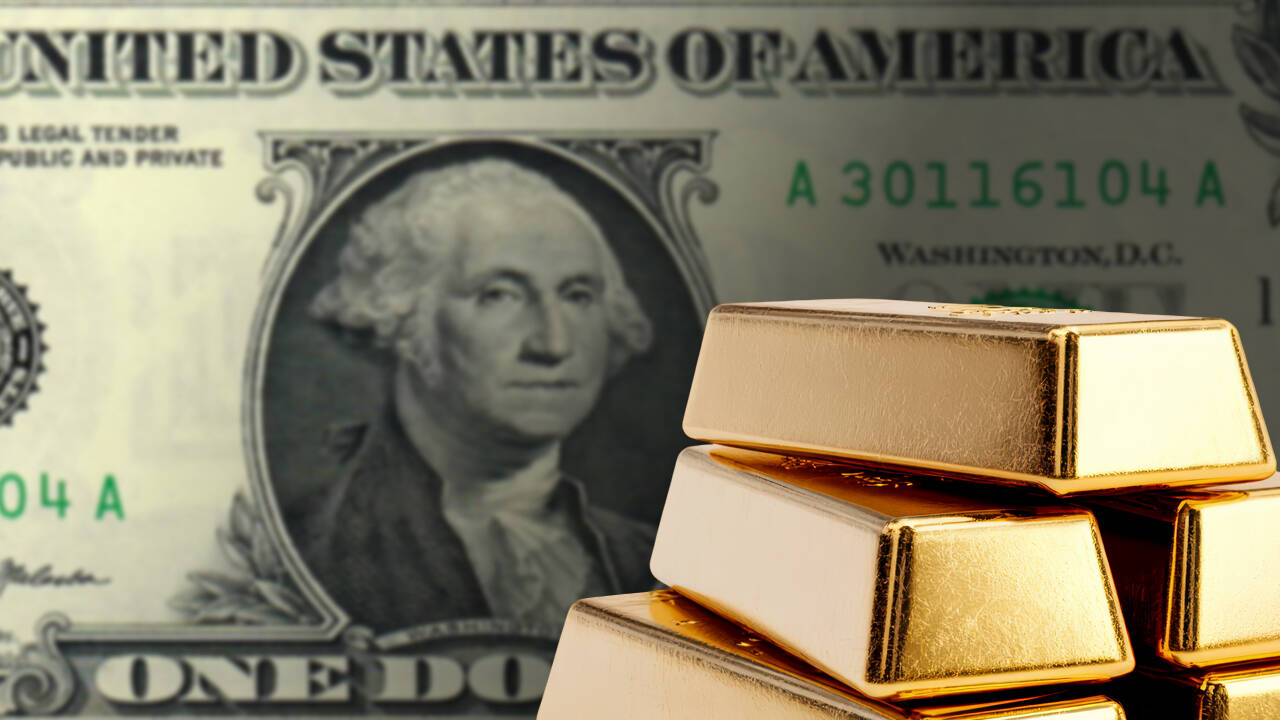
India has joined other major economies in increasing its gold purchases while reducing its holdings of US Treasuries. This shift in investment strategy is driven by central banks' growing view of gold as a reliable store of value and a hedge against inflation.
The move to increase gold reserves is a significant one, as it indicates a desire to diversify investments and reduce dependence on US Treasury holdings. Central banks have traditionally held large amounts of US Treasuries as a safe-haven asset, but the current economic climate has led them to reevaluate their investment strategies.
India's decision to increase its gold purchases is part of a broader trend among central banks. China, in particular, has been actively increasing its gold reserves in recent years. The People's Bank of China has been buying gold to diversify its foreign exchange reserves and reduce its reliance on US dollars.
The appeal of gold as an investment asset lies in its ability to act as a hedge against inflation. As inflation rises, the value of gold tends to increase, making it an attractive investment option for central banks looking to protect their assets. Additionally, gold is seen as a core store of value, providing a safe-haven asset that can be used to settle international transactions.
The reduction in US Treasury holdings is also significant, as it indicates a decrease in confidence in the US economy. The US Treasury market is considered one of the safest and most liquid markets in the world, but central banks are increasingly looking to diversify their investments and reduce their exposure to US debt.
The implications of this shift in investment strategy are far-reaching. As central banks increase their gold reserves and reduce their US Treasury holdings, it could lead to a decrease in demand for US dollars and a subsequent increase in the value of gold. This, in turn, could have significant implications for the global economy, particularly for countries that rely heavily on US dollar-denominated assets.
In the context of the current economic climate, India's decision to increase its gold purchases and reduce its US Treasury holdings is a prudent one. The country is looking to diversify its investments and reduce its reliance on US dollars, which could help to mitigate the impact of any future economic shocks.
The trend of central banks increasing their gold reserves is likely to continue, as they seek to protect their assets and diversify their investments. As the global economy continues to evolve, it will be interesting to see how this shift in investment strategy plays out and what implications it will have for the value of gold and the US dollar.
In conclusion, India's decision to increase its gold purchases and reduce its US Treasury holdings is a significant one, reflecting a broader trend among central banks to diversify their investments and reduce their reliance on US dollars. As the global economy continues to navigate uncertain times, the appeal of gold as a safe-haven asset is likely to endure, driving further investment in the precious metal.
What this means for India and the global economy is that there will be a continued focus on diversifying investments and reducing reliance on US dollars. This could lead to a shift in the global economic landscape, with gold emerging as a more prominent store of value and a hedge against inflation. As the situation continues to unfold, it will be important to monitor the actions of central banks and their impact on the global economy.