California Ocean 4°C Hotter, Whales Vanish
Rising ocean temps harm marine life, whales disappear, pelicans starve
'%3E%3Crect%20width%3D'96'%20height%3D'96'%20fill%3D'%23C2185B'%2F%3E%3Ccircle%20cx%3D'30'%20cy%3D'24'%20r%3D'44'%20fill%3D'%23fff'%20opacity%3D'.12'%2F%3E%3Ccircle%20cx%3D'60'%20cy%3D'74'%20r%3D'40'%20fill%3D'%23000'%20opacity%3D'.10'%2F%3E%3C%2Fg%3E%3Cpath%20fill%3D'%23fff'%20d%3D'M48%2031%20l4.6%2010.2%2011.2%201%20-8.4%207.5%202.5%2011%20-9.9%20-5.8%20-9.9%205.8%202.5%20-11%20-8.4%20-7.5%2011.2%20-1%20z'%2F%3E%3C%2Fsvg%3E)
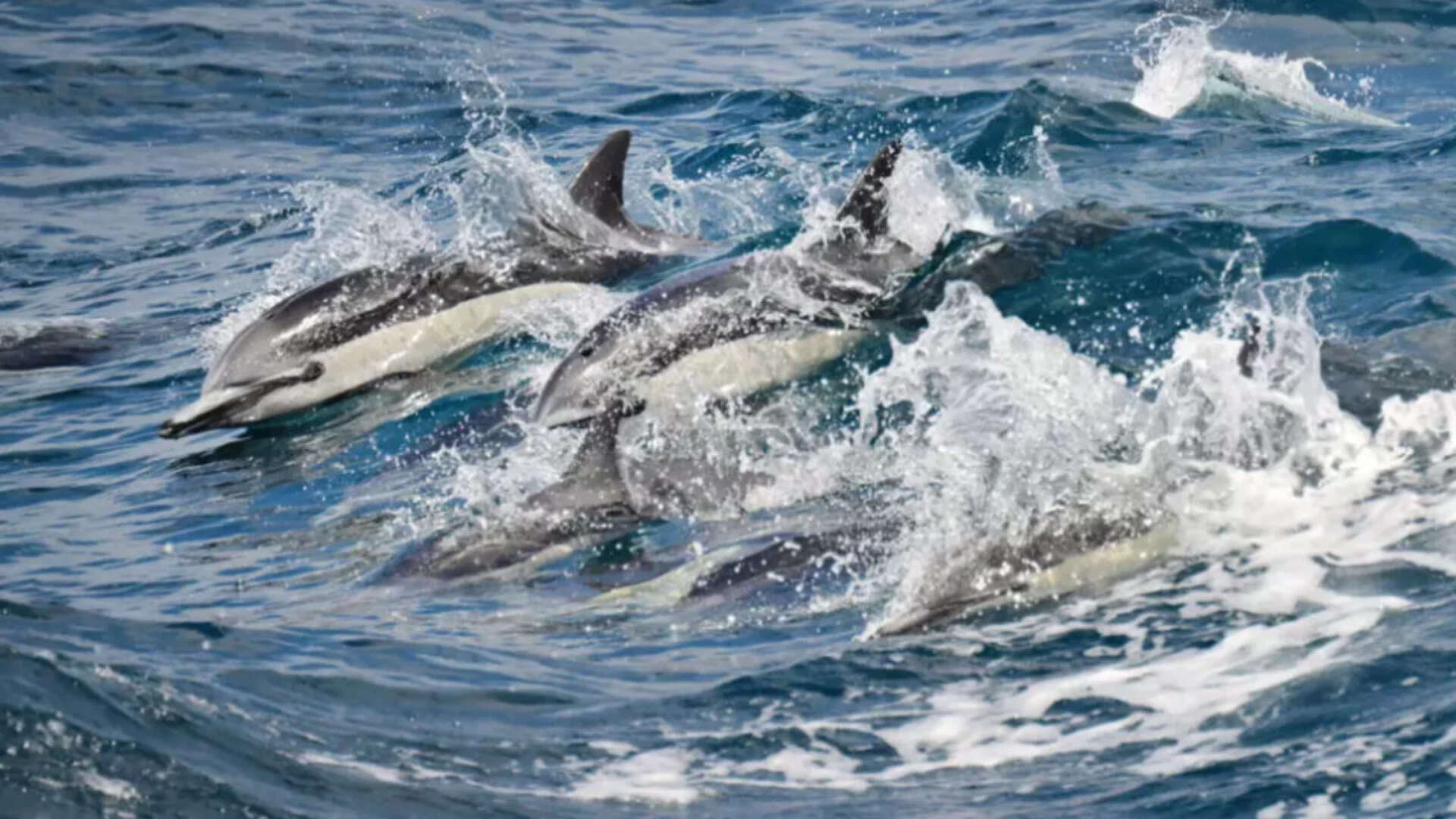
A significant increase in ocean temperatures off the coast of California is having severe consequences for marine life. The temperature rise of 4°C is causing whales to migrate away from their traditional feeding zones in search of cooler waters. As a result, seabird populations, including pelicans, are facing starvation due to the scarcity of food.
The warming ocean is also leading to great white sharks venturing closer to shore, posing a threat to beachgoers. Furthermore, the rise in toxic algae blooms is contaminating the ecosystem and impacting local fisheries. These shifts in marine life are connected to climate change and the El Niño phenomena, which are altering the delicate balance of the ocean's ecosystem.
The El Niño phenomenon is a complex weather pattern that occurs when the surface temperature of the Pacific Ocean warms up, leading to changes in atmospheric pressure and precipitation. This, in turn, affects the ocean's temperature and circulation patterns, having a ripple effect on marine life. Climate change is also playing a significant role in the warming of the ocean, with rising global temperatures contributing to the increase in ocean temperatures.
The impact of these changes on marine life is far-reaching. Whales, which are migratory species, are being forced to adapt to new feeding zones, while seabirds are struggling to find food. The rise in toxic algae blooms is also affecting the entire food chain, from small fish to large marine mammals.
The consequences of these changes are not limited to marine life. Local fisheries are also being impacted, with the rise in ocean temperatures affecting the distribution and abundance of fish species. This, in turn, is affecting the livelihoods of people who depend on fishing for their income.
In addition to the economic impacts, the changes in marine life are also affecting the ecosystem as a whole. The loss of biodiversity and the disruption of the food chain can have long-term consequences for the health of the ocean and the planet as a whole.
The situation in California is a stark reminder of the need to address climate change and its impacts on the ocean. It is essential to take immediate action to reduce greenhouse gas emissions and mitigate the effects of climate change on marine life.
The warming of the ocean is a global issue, and its impacts are being felt in many parts of the world. It is crucial to address this issue through international cooperation and collective action. By working together, we can reduce the impacts of climate change on marine life and preserve the health of the ocean for future generations.
In conclusion, the rise in ocean temperatures off the coast of California is having severe consequences for marine life. It is essential to address climate change and its impacts on the ocean to preserve the health of the ecosystem and the planet as a whole.
Frequently asked questions
What is causing the rise in ocean temperatures off California's coast?
The rise in ocean temperatures is connected to climate change and the El Niño phenomena.
How are the changes in ocean temperature affecting marine life?
The changes are causing whales to migrate away from their traditional feeding zones, seabirds to face starvation, and great white sharks to venture closer to shore.