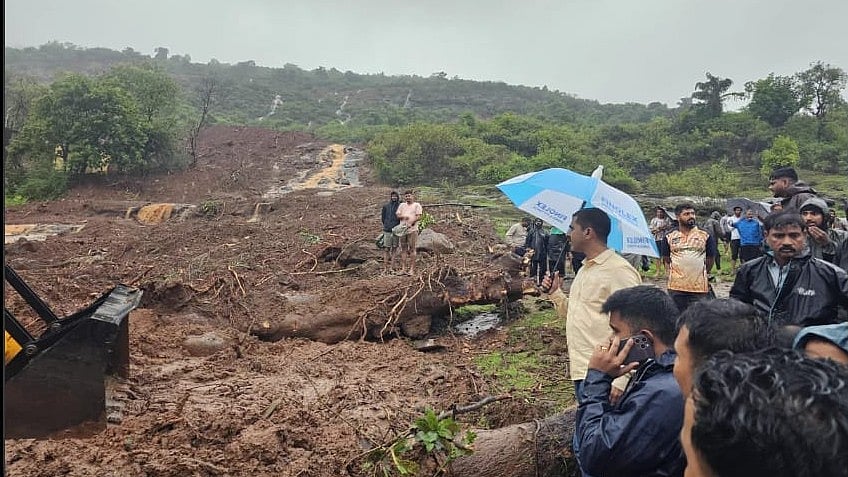
Gurgaon Floods Due To Poor Drainage
Gurgaon's recent floods were not just caused by heavy rains, but also by poor drainage systems. The city's infrastructure failed to cope with the rainfall, causing disruptions and power outages.

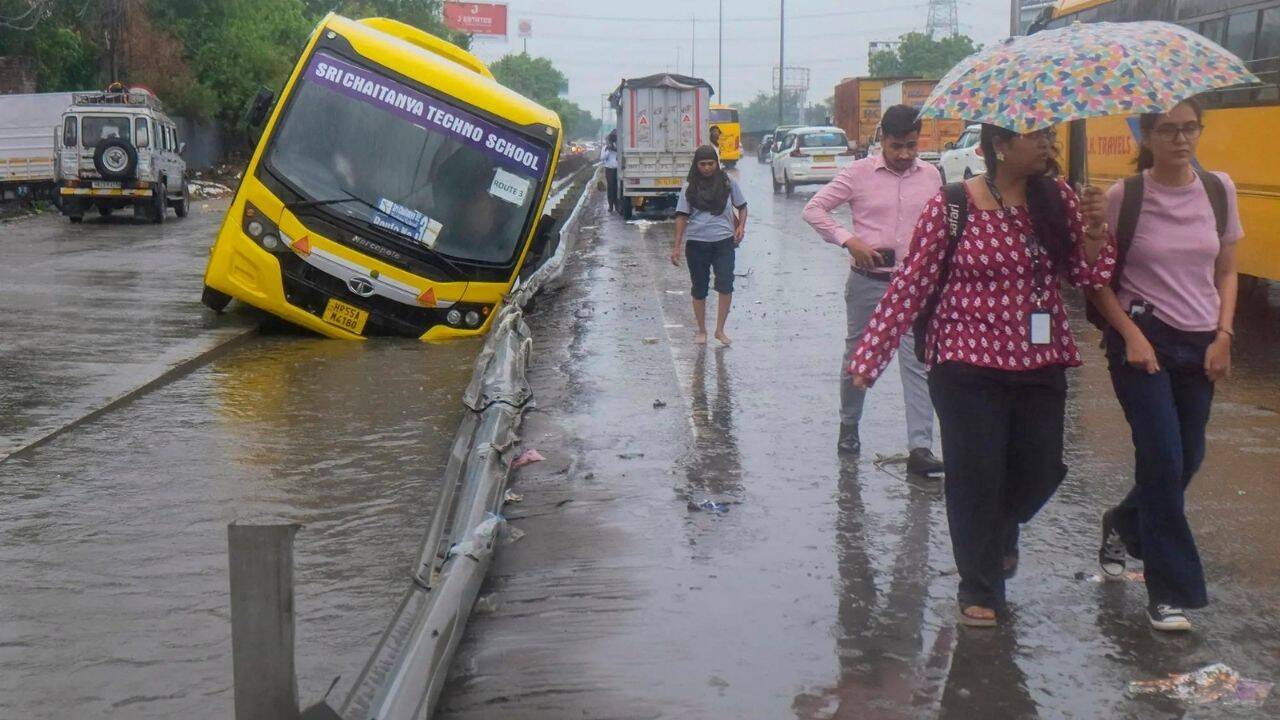
Gurgaon, a city known for its glass towers and corporate offices, was recently hit by heavy rains that caused widespread flooding. The floods resulted in many roads becoming impassable, leaving commuters stranded and facing significant travel disruptions.
The heavy rainfall also led to power outages in large parts of the city, further compounding the problems faced by residents. Despite the city's significant economic growth and spending on infrastructure, the drainage systems failed to cope with the rainfall, highlighting a persistent gap between Gurgaon's economic ambition and civic reality.
The flooding in Gurgaon is not a new phenomenon, with the city experiencing similar situations every year. The root cause of the problem lies in the city's inadequate drainage system, which is unable to handle the heavy rainfall during the monsoon season. The lack of proper planning and infrastructure has resulted in the city's roads and buildings being submerged in water, causing significant disruptions to daily life.
Gurgaon's rapid urbanization and growth have put a strain on the city's infrastructure, with the drainage system being one of the key areas that require attention. The city's authorities have been criticized for their lack of preparedness and failure to address the issue, despite the flooding being a recurring problem.
The flooding in Gurgaon has significant implications for the city's residents, businesses, and economy. The disruptions caused by the flooding can result in significant losses for businesses, while also affecting the daily lives of residents. The city's reputation as a hub for corporate offices and economic growth is also at risk, with the flooding highlighting the need for improved infrastructure and planning.
The Indian government has been investing heavily in infrastructure development, with a focus on creating smart cities that are equipped to handle the challenges of urbanization. However, the flooding in Gurgaon highlights the need for a more focused approach to addressing the city's infrastructure needs, particularly when it comes to drainage systems.
In recent years, there have been efforts to improve the drainage system in Gurgaon, with the city's authorities investing in new infrastructure and technology. However, more needs to be done to address the root cause of the problem and prevent the flooding from recurring every year.
The flooding in Gurgaon is a reminder of the importance of proper planning and infrastructure in urban development. As the city continues to grow and develop, it is essential that the authorities prioritize the development of adequate drainage systems and other infrastructure to support the city's economic ambitions.
In conclusion, the flooding in Gurgaon is a complex issue that requires a comprehensive solution. While the city's economic growth and development are important, it is equally important to address the civic reality and ensure that the city's infrastructure is equipped to handle the challenges of urbanization. By prioritizing the development of adequate drainage systems and other infrastructure, Gurgaon can reduce the risk of flooding and create a more sustainable and livable environment for its residents.