Centre Seeks Supreme Court to Quash NEET Protester FIRs
Centre moves to drop charges against NEET protesters. Hearing set for September 1.
'%3E%3Crect%20width%3D'96'%20height%3D'96'%20fill%3D'%231A5276'%2F%3E%3Ccircle%20cx%3D'30'%20cy%3D'24'%20r%3D'44'%20fill%3D'%23fff'%20opacity%3D'.12'%2F%3E%3Ccircle%20cx%3D'60'%20cy%3D'74'%20r%3D'40'%20fill%3D'%23000'%20opacity%3D'.10'%2F%3E%3C%2Fg%3E%3Cg%20fill%3D'%23fff'%3E%3Cpath%20d%3D'M31%2041%20L48%2031%20L65%2041%20Z'%2F%3E%3Crect%20x%3D'33'%20y%3D'43'%20width%3D'4'%20height%3D'17'%2F%3E%3Crect%20x%3D'41'%20y%3D'43'%20width%3D'4'%20height%3D'17'%2F%3E%3Crect%20x%3D'51'%20y%3D'43'%20width%3D'4'%20height%3D'17'%2F%3E%3Crect%20x%3D'59'%20y%3D'43'%20width%3D'4'%20height%3D'17'%2F%3E%3Crect%20x%3D'30'%20y%3D'62'%20width%3D'36'%20height%3D'4'%20rx%3D'1'%2F%3E%3C%2Fg%3E%3C%2Fsvg%3E)
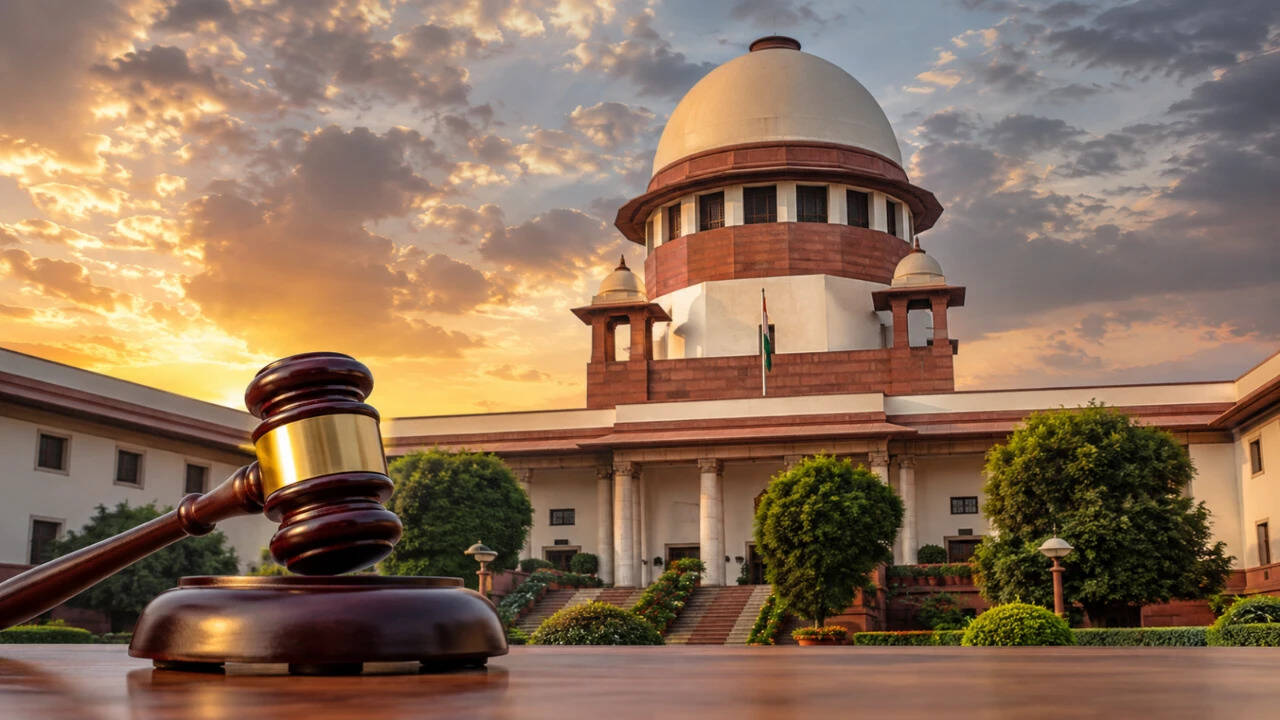
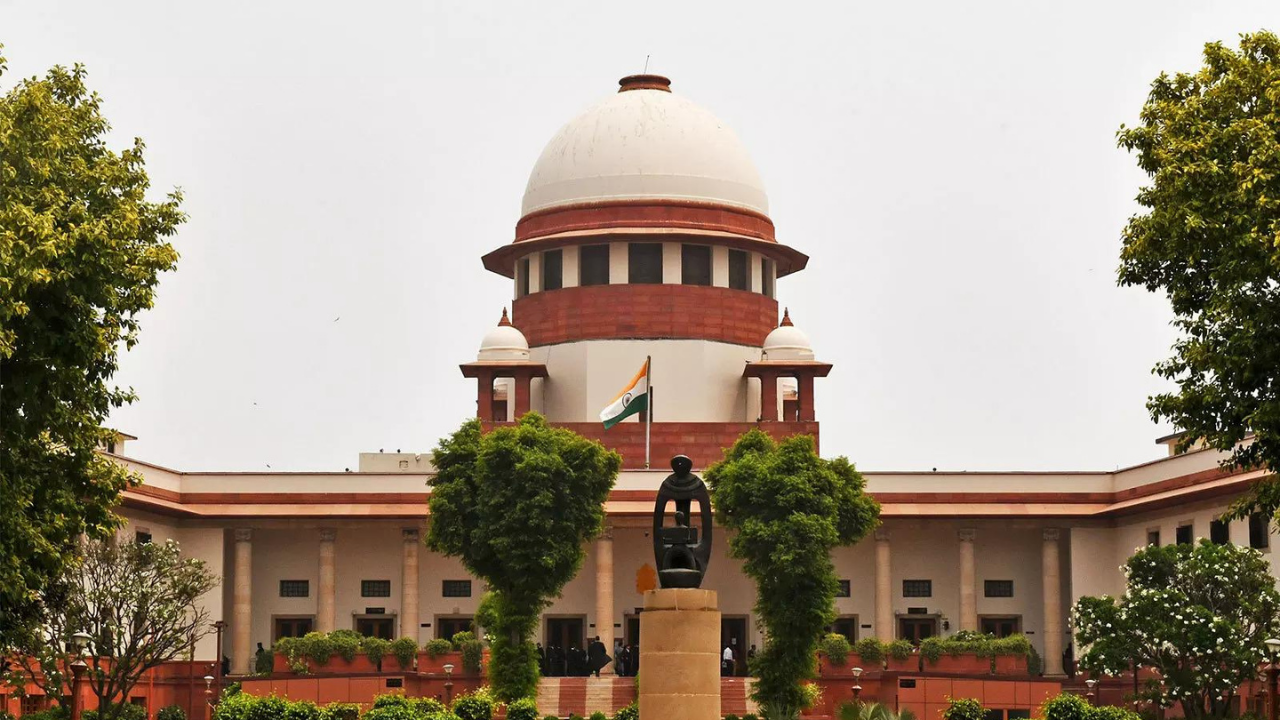
The Central government has approached the Supreme Court with a plea to quash the First Information Reports (FIRs) filed against protesters who demonstrated against the National Eligibility cum Entrance Test (NEET).
Solicitor General Tushar Mehta presented this plea before the Chief Justice of India, marking a significant development in the ongoing controversy surrounding NEET. The Supreme Court has scheduled a hearing for this matter on September 1, which is expected to draw considerable attention from various stakeholders.
The protests against NEET have been a longstanding issue, with many arguing that the exam is unfair and disproportionately affects certain groups of students. The filing of FIRs against protesters had sparked widespread criticism, with many claiming that it was an attempt to stifle dissent and freedom of expression.
In a related development, the Cockroach Janta Party has announced plans to organize a new protest march in Delhi on September 5. This march is intended to highlight the unfulfilled assurances made by the government, although it is not directly related to the NEET protests.
The NEET controversy has been a major point of discussion in recent years, with many questioning the exam's validity and fairness. The Supreme Court's decision on the Centre's plea to quash the FIRs will be closely watched, as it could have significant implications for the right to protest and freedom of expression in India.
The Centre's move to quash the FIRs has been seen as a positive step by many, as it acknowledges the importance of allowing citizens to express their dissent and participate in peaceful protests. However, the outcome of the Supreme Court hearing remains to be seen, and it is uncertain whether the FIRs will ultimately be quashed.
In the broader context, the NEET controversy reflects deeper issues within India's education system, including concerns about accessibility, equity, and the role of standardized testing. The ongoing debate surrounding NEET serves as a reminder of the need for ongoing dialogue and reform in the education sector.
The Supreme Court's decision on September 1 will be a significant moment in this ongoing saga, and its implications will be closely watched by students, educators, and citizens across India. As the country continues to grapple with the complexities of its education system, the need for fair, inclusive, and effective policies has never been more pressing.
In conclusion, the Centre's plea to quash the FIRs against NEET protesters marks an important development in the ongoing controversy surrounding the exam. The Supreme Court's hearing on September 1 will be a crucial moment in determining the outcome of this case, and its implications will be felt far beyond the realm of education policy.
Frequently asked questions
What is the Centre's stance on NEET protester FIRs?
The Centre has approached the Supreme Court to quash the FIRs filed against NEET protesters.
When will the Supreme Court hear the Centre's plea?
The Supreme Court will hear the Centre's plea on September 1.