Black Drongos Threaten Guam's Native Birds
Introduction of black drongos for pest control backfires, harming native birds.
'%3E%3Crect%20width%3D'96'%20height%3D'96'%20fill%3D'%23B3261E'%2F%3E%3Ccircle%20cx%3D'30'%20cy%3D'24'%20r%3D'44'%20fill%3D'%23fff'%20opacity%3D'.12'%2F%3E%3Ccircle%20cx%3D'60'%20cy%3D'74'%20r%3D'40'%20fill%3D'%23000'%20opacity%3D'.10'%2F%3E%3C%2Fg%3E%3Cg%20fill%3D'%23fff'%3E%3Crect%20x%3D'29'%20y%3D'49'%20width%3D'8'%20height%3D'19'%20rx%3D'1'%2F%3E%3Crect%20x%3D'39'%20y%3D'40'%20width%3D'9'%20height%3D'28'%20rx%3D'1'%2F%3E%3Crect%20x%3D'50'%20y%3D'45'%20width%3D'8'%20height%3D'23'%20rx%3D'1'%2F%3E%3Crect%20x%3D'60'%20y%3D'53'%20width%3D'7'%20height%3D'15'%20rx%3D'1'%2F%3E%3Crect%20x%3D'41'%20y%3D'34'%20width%3D'5'%20height%3D'6'%2F%3E%3C%2Fg%3E%3C%2Fsvg%3E)
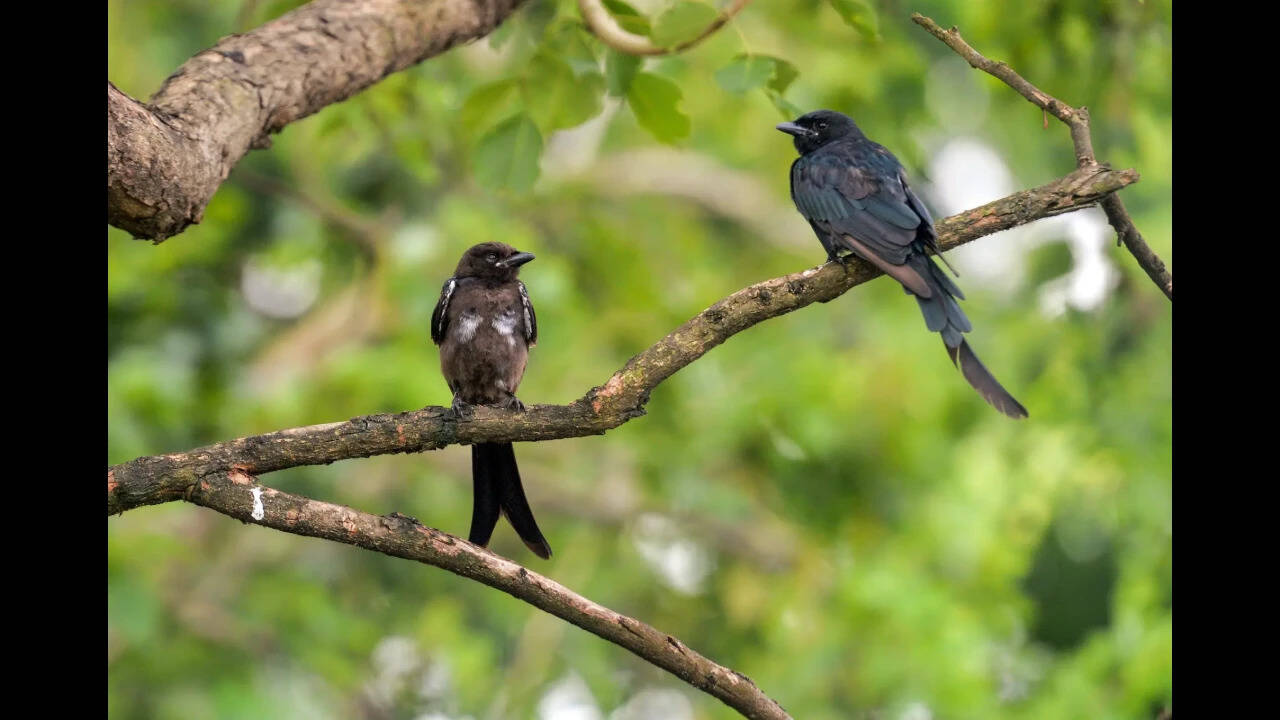
The introduction of black drongos to Rota in 1935 was intended to control agricultural pests. However, this effort ultimately led to the establishment of a black drongo population, which later spread to Guam.
The black drongos' aggressive behavior towards native bird species has significantly contributed to declines in local avian populations. This unforeseen consequence highlights the risks of introducing non-native species into ecosystems.
The initial goal of introducing black drongos was to manage pest populations that were damaging crops. At the time, it seemed like a viable solution to a pressing problem. However, the long-term effects of this introduction have been devastating for Guam's native birds.
The decline of native bird species is a pressing concern for conservationists and wildlife experts. The aggressive behavior of black drongos has disrupted the delicate balance of Guam's ecosystem, leading to a decline in biodiversity.
Guam's native birds are an essential part of the island's ecosystem, playing a crucial role in pollination, seed dispersal, and pest control. The loss of these species could have far-reaching consequences for the island's environment and economy.
The introduction of non-native species is a common practice in many parts of the world, often intended to solve specific problems. However, the example of the black drongos in Guam serves as a cautionary tale about the potential risks and unintended consequences of such actions.
In recent years, there has been a growing recognition of the importance of preserving native species and maintaining the balance of ecosystems. Efforts are being made to mitigate the damage caused by the introduction of non-native species and to protect Guam's native birds.
The story of the black drongos in Guam highlights the need for careful consideration and planning when introducing non-native species into an ecosystem. It also underscores the importance of preserving biodiversity and protecting native species.
The decline of Guam's native birds is a significant concern, and efforts are being made to address this issue. However, the introduction of black drongos serves as a reminder of the potential risks and unintended consequences of human actions on the environment.
In conclusion, the introduction of black drongos to Guam has had significant and far-reaching consequences for the island's native birds. It highlights the need for careful consideration and planning when introducing non-native species into an ecosystem and the importance of preserving biodiversity and protecting native species.
The situation in Guam serves as a warning to other regions considering introducing non-native species for pest control or other purposes. It emphasizes the need for a thorough understanding of the potential risks and consequences of such actions and the importance of prioritizing the preservation of native species and ecosystems.
Frequently asked questions
Why were black drongos introduced to Rota
Black drongos were introduced to Rota in 1935 to control agricultural pests.
What has been the impact of black drongos on Guam's native birds
The introduction of black drongos has led to significant declines in Guam's native bird populations due to their aggressive behavior.