Delhi HC Questions Police Over Excessive Force During CJP Protest
Delhi High Court seeks reply on PILs alleging police brutality. Court orders CCTV preservation.
'%3E%3Crect%20width%3D'96'%20height%3D'96'%20fill%3D'%231A5276'%2F%3E%3Ccircle%20cx%3D'30'%20cy%3D'24'%20r%3D'44'%20fill%3D'%23fff'%20opacity%3D'.12'%2F%3E%3Ccircle%20cx%3D'60'%20cy%3D'74'%20r%3D'40'%20fill%3D'%23000'%20opacity%3D'.10'%2F%3E%3C%2Fg%3E%3Cg%20fill%3D'%23fff'%3E%3Cpath%20d%3D'M31%2041%20L48%2031%20L65%2041%20Z'%2F%3E%3Crect%20x%3D'33'%20y%3D'43'%20width%3D'4'%20height%3D'17'%2F%3E%3Crect%20x%3D'41'%20y%3D'43'%20width%3D'4'%20height%3D'17'%2F%3E%3Crect%20x%3D'51'%20y%3D'43'%20width%3D'4'%20height%3D'17'%2F%3E%3Crect%20x%3D'59'%20y%3D'43'%20width%3D'4'%20height%3D'17'%2F%3E%3Crect%20x%3D'30'%20y%3D'62'%20width%3D'36'%20height%3D'4'%20rx%3D'1'%2F%3E%3C%2Fg%3E%3C%2Fsvg%3E)
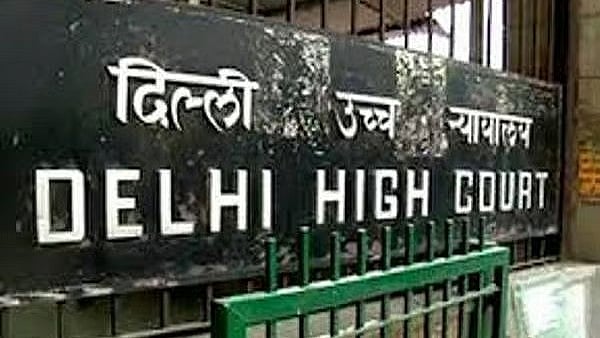
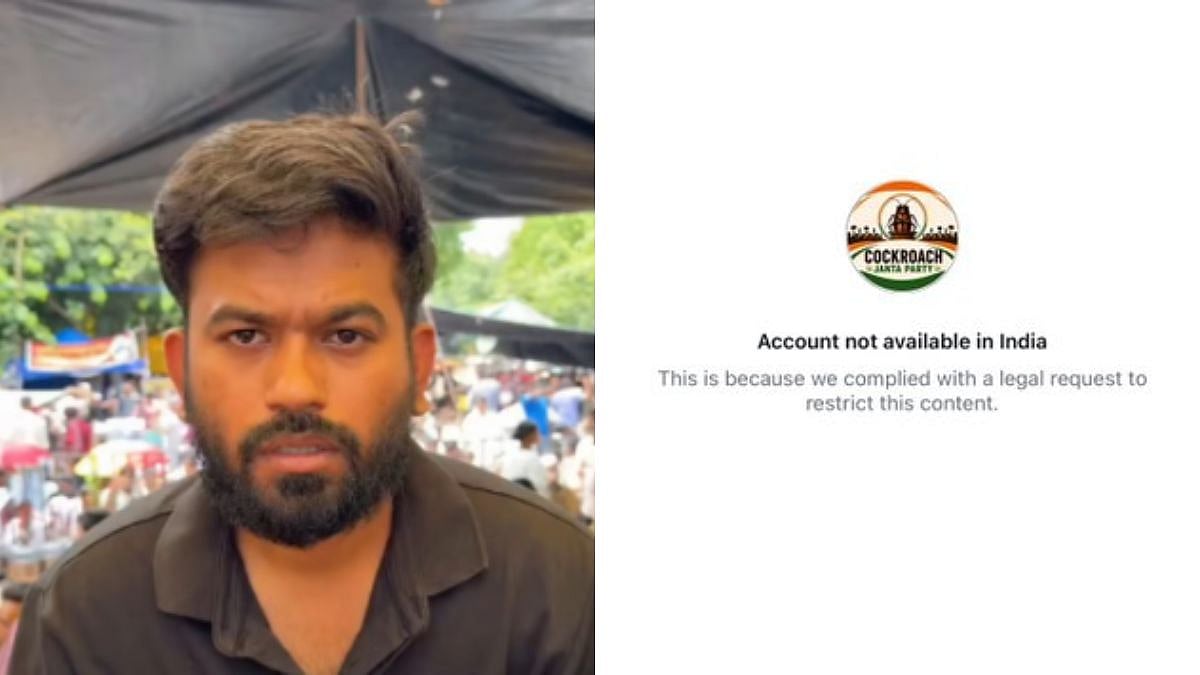
The Delhi High Court has sought responses from the Delhi Police and the Union Government regarding a batch of public interest litigations (PILs) that allege excessive use of force against students during the Cockroach Janta Party's (CJP) protest on July 20. The protest was held over the alleged NEET paper leak.
A division bench of Chief Justice Devendra Kumar Upadhyaya and Justice Tejas Karia directed the authorities to file their counter affidavits within four weeks. The Court also ordered the preservation of all relevant records, including CCTV footage and videography, related to the incident.
During the hearing, the bench questioned the Delhi Police's argument that individual victims should pursue separate legal remedies instead of a PIL. The Court observed that if the police had indeed dealt with an unlawful assembly, there are established laws on how to handle such situations.
The petitioners alleged that the July 20 protest began peacefully and that the police resorted to disproportionate force. Senior advocates appearing for the petitioners claimed that students were beaten with lathis, and tear gas and other measures were used without following due procedure.
The petitioners also alleged that policemen molested women and beat them on private parts, and sought an independent probe into the incident. Verified videos showed senior police officers assaulting protesters, and the authorities had failed to follow the Supreme Court's guidelines on dispersing crowds.
The Centre and Delhi Police opposed the PILs, arguing that individual victims should file separate complaints. However, the Court clarified that alleged violations of fundamental rights arising from police action could also be examined under public law.
The matter will next be heard on September 11. The Court's decision to seek responses from the authorities and preserve relevant records is a significant development in the case.
The Delhi High Court's move is seen as a step towards ensuring that the police are held accountable for their actions during the protest. The preservation of CCTV footage and videography will be crucial in investigating the allegations of excessive force.
The incident has sparked widespread outrage, with many calling for an independent probe into the police's actions. The Delhi High Court's decision is expected to have significant implications for the case and the broader issue of police accountability in India.
In recent years, there have been several instances of police brutality during protests in India. The Delhi High Court's move is seen as a step towards addressing this issue and ensuring that the police are held accountable for their actions.
The case is likely to have significant implications for the future of protests in India and the role of the police in maintaining law and order. The Delhi High Court's decision is expected to be closely watched by human rights activists and civil society organizations.
The Court's emphasis on preserving relevant records, including CCTV footage and videography, is a significant development in the case. This will help to ensure that the truth about the incident is revealed and that those responsible are held accountable.
In conclusion, the Delhi High Court's decision to seek responses from the authorities and preserve relevant records is a significant step towards ensuring that the police are held accountable for their actions during the protest. The case is likely to have significant implications for the future of protests in India and the role of the police in maintaining law and order.
Frequently asked questions
What is the Delhi High Court's decision on the PILs alleging police brutality?
The Delhi High Court has sought responses from the Delhi Police and the Union Government regarding the PILs and ordered the preservation of relevant records, including CCTV footage and videography.
What are the allegations made by the petitioners in the PILs?
The petitioners allege that the police used excessive force against students during the CJP protest on July 20, including beating them with lathis and using tear gas without following due procedure.