Delhi High Court Rejects Former MLA's Plea
Former Congress MLA Rajendra Bharti's sentence upheld, disqualification to continue.

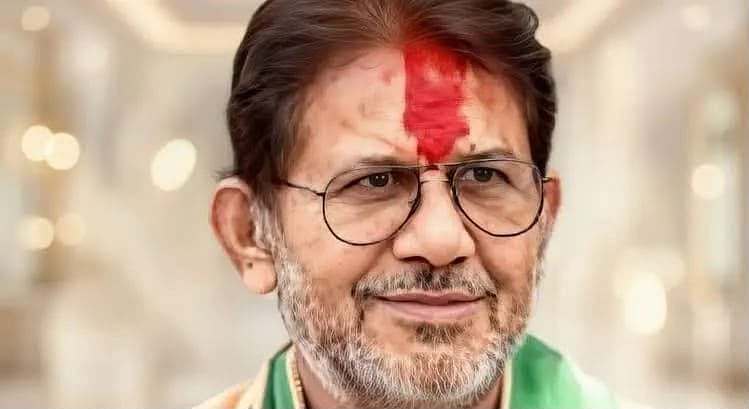
A significant decision was made by the Delhi High Court on Friday, as it refused to stay the three-year sentence of former Congress MLA Rajendra Bharti in a bank fraud case.
The case, which originated in Datia, Madhya Pradesh, involves Bharti's conviction under Section 420 of the IPC for a 25-year-old fixed deposit case. He was sentenced to three years in prison on April 2, 2026, for withdrawing yearly interest from a ₹10 lakh fixed deposit opened in his mother's name, despite bank rules allowing withdrawal only after maturity.
Bharti had approached the High Court seeking a stay on his conviction, hoping to regain the benefits of being a public representative. However, the court rejected his plea, declining to grant any relief. This decision means that Bharti's disqualification as an MLA will continue for now, as a lawmaker can be disqualified from holding office if convicted and sentenced to two years or more under the Representation of the People Act, 1951.
Following the conviction, Bharti's Assembly membership was terminated, leading to his disqualification as an MLA. The Delhi High Court's refusal to suspend his sentence has kept both his legal and political challenges unresolved. Bharti still has the option to approach the Supreme Court for further legal relief.
The matter is significant, as a stay on his sentence could have affected the consequences of his disqualification. The court's decision has implications for the upcoming Datia bypoll, which is likely to be held on July 30. The seat fell vacant after Bharti lost his Assembly membership.
The case highlights the importance of accountability in public office and the consequences of wrongdoing. Bharti's conviction and disqualification serve as a reminder that lawmakers must adhere to the law and uphold the trust placed in them by the public.
The Delhi High Court's decision is also a testament to the independence of the judiciary and its commitment to upholding the law. The court's refusal to grant relief to Bharti demonstrates that no one is above the law, and that those in positions of power will be held accountable for their actions.
In conclusion, the Delhi High Court's decision to reject Bharti's plea is a significant development in the case, with implications for the former MLA's political career and the upcoming bypoll in Datia. The decision serves as a reminder of the importance of accountability and the rule of law in India's democratic system.
The outcome of this case will be closely watched, as it has the potential to set a precedent for future cases involving public officials and their accountability to the law. For now, Bharti's disqualification will continue, and he will have to explore other legal avenues to seek relief.