US Nuclear Test Yields 213m Cubic Feet Radioactive Gas
US nuclear test boosts gas production, but with radioactive results. Experiment ended due to contamination.
'%3E%3Crect%20width%3D'96'%20height%3D'96'%20fill%3D'%234A235A'%2F%3E%3Ccircle%20cx%3D'30'%20cy%3D'24'%20r%3D'44'%20fill%3D'%23fff'%20opacity%3D'.12'%2F%3E%3Ccircle%20cx%3D'60'%20cy%3D'74'%20r%3D'40'%20fill%3D'%23000'%20opacity%3D'.10'%2F%3E%3C%2Fg%3E%3Cg%20fill%3D'none'%20stroke%3D'%23fff'%20stroke-width%3D'3'%3E%3Ccircle%20cx%3D'48'%20cy%3D'48'%20r%3D'16'%2F%3E%3Cellipse%20cx%3D'48'%20cy%3D'48'%20rx%3D'6.5'%20ry%3D'16'%2F%3E%3Cline%20x1%3D'32'%20y1%3D'42'%20x2%3D'64'%20y2%3D'42'%2F%3E%3Cline%20x1%3D'32'%20y1%3D'54'%20x2%3D'64'%20y2%3D'54'%2F%3E%3C%2Fg%3E%3C%2Fsvg%3E)
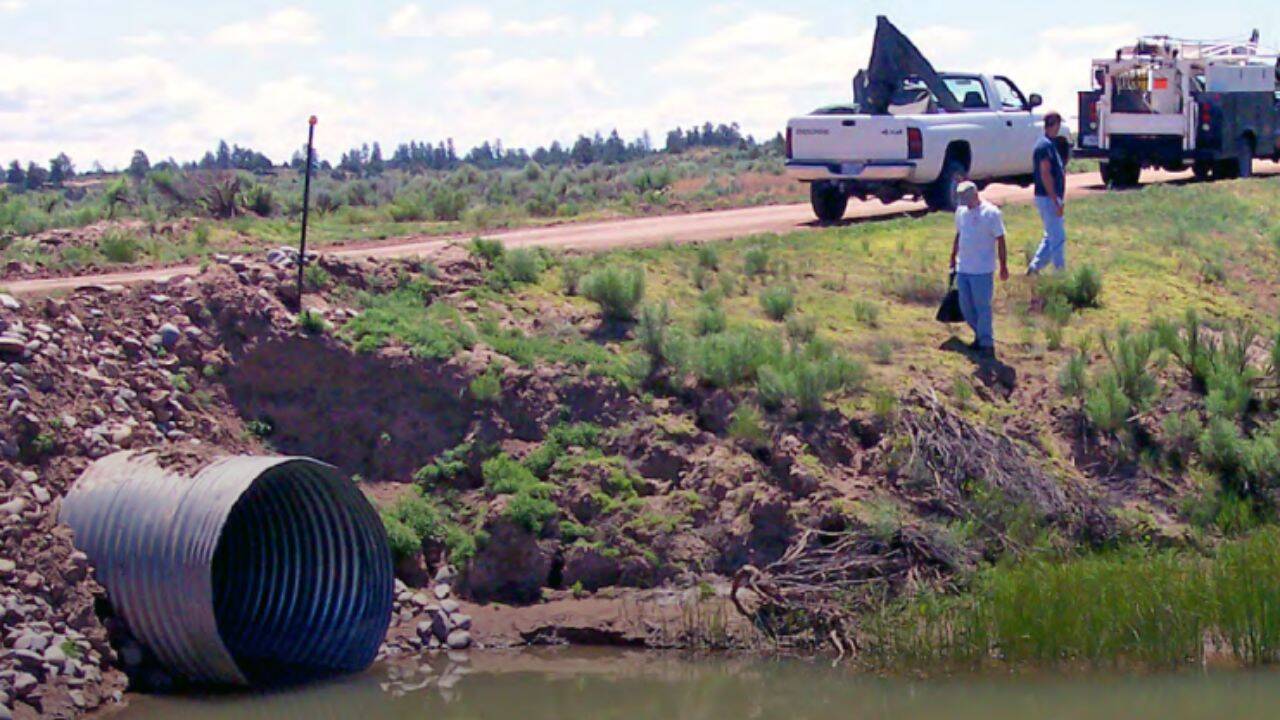
A 1967 US experiment in New Mexico used a 29-kiloton nuclear device to enhance natural gas production. The device was detonated 4,227 feet underground, resulting in the production of 213 million cubic feet of gas across five tests. However, the extracted gas contained measurable levels of radioactivity, posing significant environmental and health concerns.
The experiment was part of a broader effort to explore unconventional methods for boosting natural gas production. By using nuclear devices, researchers aimed to create fractures in the underground rock formations, releasing trapped gas and increasing yields. While the initial results showed promise, with substantial amounts of gas being produced, the presence of radioactivity in the extracted gas raised serious concerns.
The nuclear device used in the experiment was detonated at a significant depth to minimize the risk of radioactive contamination reaching the surface. However, despite these precautions, the blast zone still experienced radioactive contamination, which remains underground to this day. The site of the experiment has since been cleaned up, but the legacy of the contamination persists.
The use of nuclear devices for enhancing natural gas production is a highly controversial topic, with many experts citing the significant risks associated with radioactive contamination. The 1967 experiment in New Mexico serves as a cautionary tale, highlighting the potential dangers of such practices. While the experiment did result in the production of substantial amounts of gas, the radioactive nature of the extracted gas made it unsuitable for use.
In the years since the experiment, significant advances have been made in the field of natural gas production, with many alternative methods being developed that do not involve the use of nuclear devices. These methods, such as hydraulic fracturing and horizontal drilling, have become increasingly prevalent, offering a safer and more environmentally friendly means of extracting natural gas.
The story of the 1967 US nuclear experiment serves as a reminder of the importance of prioritizing environmental and health concerns when exploring new methods for energy production. As the world continues to seek out new and innovative ways to meet its energy needs, it is crucial that we learn from the lessons of the past and strive to develop methods that are both effective and sustainable.
The experiment's outcome has significant implications for the energy sector, highlighting the need for careful consideration and rigorous testing of new production methods. As researchers and industry leaders continue to push the boundaries of what is possible, it is essential that they do so in a responsible and environmentally conscious manner.
In conclusion, the 1967 US nuclear experiment in New Mexico resulted in the production of 213 million cubic feet of gas, but at a significant cost. The presence of radioactivity in the extracted gas made it unsuitable for use, and the site of the experiment still experiences contamination today. As we move forward in our pursuit of energy production, it is crucial that we prioritize environmental and health concerns, seeking out methods that are both effective and sustainable.
The significance of this experiment extends beyond the energy sector, serving as a reminder of the importance of responsible innovation and environmental stewardship. As we continue to develop new technologies and methods for energy production, it is essential that we do so in a manner that prioritizes the health and well-being of both people and the planet.
Frequently asked questions
What was the purpose of the 1967 US nuclear experiment in New Mexico?
The experiment aimed to boost natural gas production by using a nuclear device to create fractures in underground rock formations.
What was the outcome of the experiment?
The experiment produced 213 million cubic feet of gas, but it contained measurable radioactivity, leading to the experiment's termination and site cleanup.