Meteorologist Doubts Early Winter Forecast
A meteorologist warns against trusting early winter forecasts, citing unreliable conditions.
'%3E%3Crect%20width%3D'96'%20height%3D'96'%20fill%3D'%23B3261E'%2F%3E%3Ccircle%20cx%3D'30'%20cy%3D'24'%20r%3D'44'%20fill%3D'%23fff'%20opacity%3D'.12'%2F%3E%3Ccircle%20cx%3D'60'%20cy%3D'74'%20r%3D'40'%20fill%3D'%23000'%20opacity%3D'.10'%2F%3E%3C%2Fg%3E%3Cg%20fill%3D'%23fff'%3E%3Crect%20x%3D'29'%20y%3D'49'%20width%3D'8'%20height%3D'19'%20rx%3D'1'%2F%3E%3Crect%20x%3D'39'%20y%3D'40'%20width%3D'9'%20height%3D'28'%20rx%3D'1'%2F%3E%3Crect%20x%3D'50'%20y%3D'45'%20width%3D'8'%20height%3D'23'%20rx%3D'1'%2F%3E%3Crect%20x%3D'60'%20y%3D'53'%20width%3D'7'%20height%3D'15'%20rx%3D'1'%2F%3E%3Crect%20x%3D'41'%20y%3D'34'%20width%3D'5'%20height%3D'6'%2F%3E%3C%2Fg%3E%3C%2Fsvg%3E)
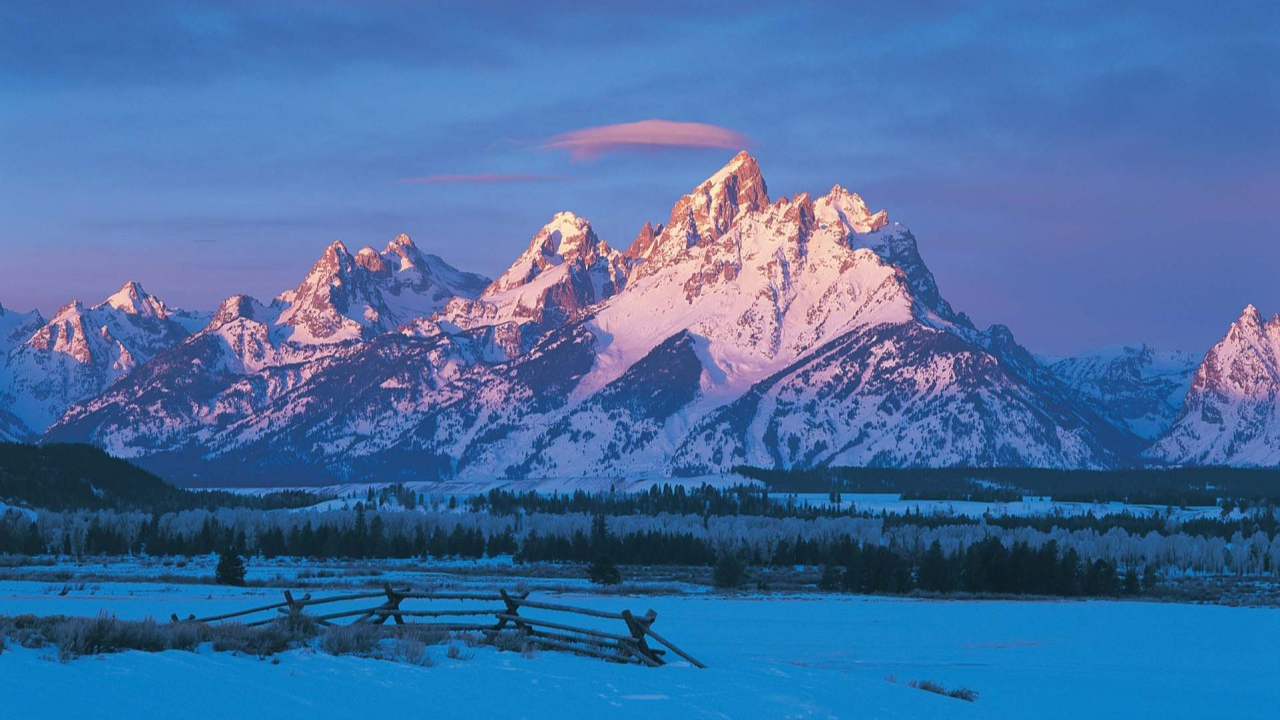
A meteorologist has expressed skepticism over early winter forecasts, labeling them unreliable due to changing atmospheric conditions. The meteorologist's warning comes as some forecasts, such as the Farmers' Almanac, have already predicted a cold and snowy winter for Wyoming. However, the meteorologist cautions that these predictions are often inaccurate, citing last year's failed forecasts as a prime example.
The meteorologist points to the strong El Niño event that is expected to impact winter weather, but notes that the specifics of how it will affect the region remain unclear. El Niño is a complex weather phenomenon that can have far-reaching effects on global climate patterns, but its impact on local weather can be difficult to predict.
The meteorologist recommends waiting until mid-to-late September before making any definitive forecasts. This is because the atmospheric conditions that shape winter weather are often in a state of flux during the summer months, making it difficult to accurately predict what the winter will bring.
In recent years, there has been an increasing trend towards making early winter forecasts, often with mixed results. While some forecasts have been accurate, others have failed to materialize, leaving many to wonder about the reliability of these predictions.
The meteorologist's warning serves as a reminder that winter weather forecasting is a complex and challenging task, requiring careful analysis of multiple atmospheric factors. By waiting until later in the summer, forecasters can gain a better understanding of the atmospheric conditions that will shape the winter, leading to more accurate predictions.
For now, it remains to be seen whether Wyoming will indeed experience a cold and snowy winter. While the Farmers' Almanac has made its prediction, the meteorologist's warning suggests that it is still too early to say for certain.
In the world of meteorology, it is not uncommon for forecasts to be revised or updated as new data becomes available. As such, it is essential to approach early winter forecasts with a healthy dose of skepticism, recognizing that the atmospheric conditions that shape our weather are constantly evolving.
As the summer months draw to a close, meteorologists will be closely watching the atmospheric conditions that will shape the upcoming winter. By waiting until the right moment to make their predictions, they can provide more accurate and reliable forecasts, helping individuals and communities to prepare for whatever the winter may bring.
The significance of this story lies in its reminder that winter weather forecasting is a complex and challenging task, requiring careful analysis and patience. By understanding the limitations of early winter forecasts, we can better appreciate the work that meteorologists do to provide us with accurate and reliable predictions, and make more informed decisions about how to prepare for the upcoming winter.
Frequently asked questions
Why are early winter forecasts often inaccurate?
Early winter forecasts are often inaccurate due to changing atmospheric conditions, making it difficult to predict the specifics of the winter weather.
When can we expect more accurate winter forecasts?
More accurate winter forecasts can be expected in mid-to-late September, when the atmospheric conditions that shape the winter are more stable.