MSRDC Unveils IIT-Backed Safety Plan For Mumbai-Pune Expressway
Mumbai-Pune Expressway gets new safety plan. IIT Bombay recommends measures to prevent rockfalls and landslides.
'%3E%3Crect%20width%3D'96'%20height%3D'96'%20fill%3D'%23B3261E'%2F%3E%3Ccircle%20cx%3D'30'%20cy%3D'24'%20r%3D'44'%20fill%3D'%23fff'%20opacity%3D'.12'%2F%3E%3Ccircle%20cx%3D'60'%20cy%3D'74'%20r%3D'40'%20fill%3D'%23000'%20opacity%3D'.10'%2F%3E%3C%2Fg%3E%3Cg%20fill%3D'%23fff'%3E%3Crect%20x%3D'29'%20y%3D'49'%20width%3D'8'%20height%3D'19'%20rx%3D'1'%2F%3E%3Crect%20x%3D'39'%20y%3D'40'%20width%3D'9'%20height%3D'28'%20rx%3D'1'%2F%3E%3Crect%20x%3D'50'%20y%3D'45'%20width%3D'8'%20height%3D'23'%20rx%3D'1'%2F%3E%3Crect%20x%3D'60'%20y%3D'53'%20width%3D'7'%20height%3D'15'%20rx%3D'1'%2F%3E%3Crect%20x%3D'41'%20y%3D'34'%20width%3D'5'%20height%3D'6'%2F%3E%3C%2Fg%3E%3C%2Fsvg%3E)
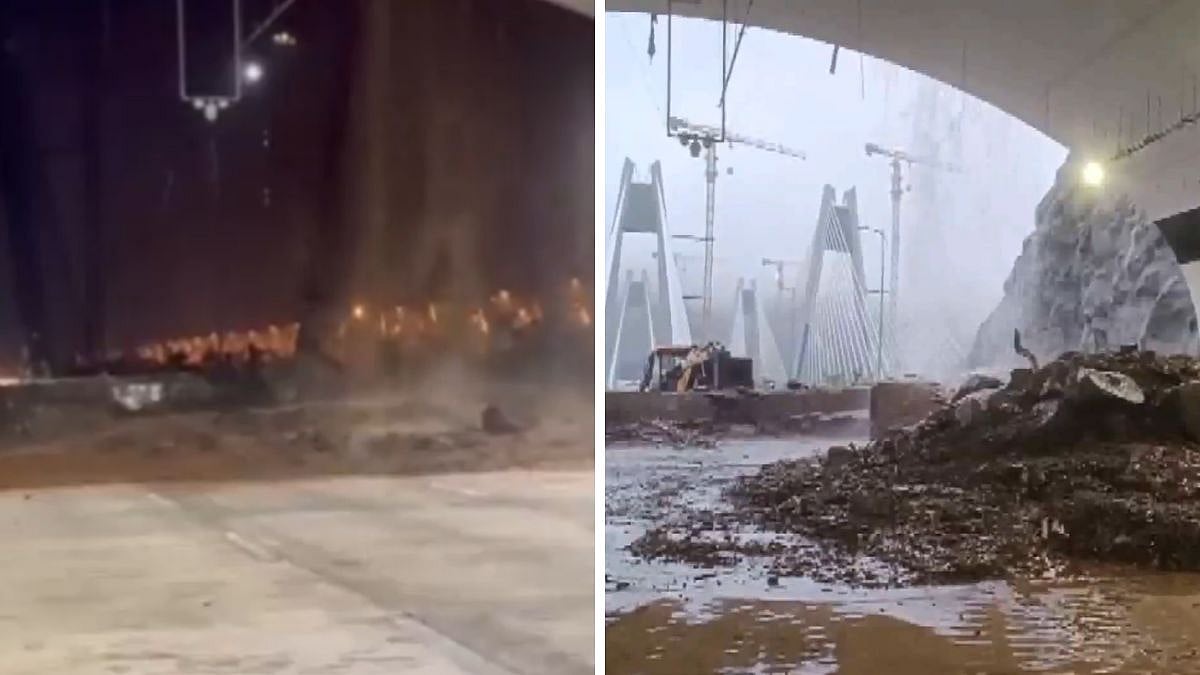
The Maharashtra State Road Development Corporation (MSRDC) has prepared a comprehensive safety action plan for the Pune-Mumbai Expressway's Missing Link project. This plan is based on recommendations by experts from IIT Bombay, following the landslide near the tunnel on July 6.
The expert panel has proposed a series of immediate and long-term measures aimed at preventing rockfalls and landslides. The goal is to ensure 'zero fatality' and 'zero rockfall on the carriageway'. As part of the study, IIT Bombay assessed rainfall using a 1,000-year return period, replacing the earlier design based on a 100-year rainfall assessment.
The experts concluded that enhanced safety measures were required to cope with increasingly intense rainfall events and minimise the risk of slope failures. Among the key recommendations are diverting the natural flow of rainwater away from the tunnel and carriageway, installing stronger steel wire mesh to secure loose rocks, stabilising steep mountain slopes and redesigning natural drainage channels.
The report also recommends permanent measures to stop rocks and debris from reaching the roadway, thereby improving commuter safety and protecting the infrastructure. Maharashtra CM Devendra Fadnavis has defended the Mumbai-Pune Missing Link, calling it an 'engineering marvel' despite the landslide.
Implementation of the IIT Bombay recommendations has already begun. MSRDC Superintendent Engineer Rahul Vasaikar said that the recommendations will be implemented soon. The objective is to achieve 'zero fatality' and 'zero rockfall on the carriageway' by ensuring that no rocks or debris reach the expressway.
The recommendations have been divided into two phases, immediate interventions during the monsoon and permanent works to be undertaken after the rainy season. The immediate measures, including securing loose boulders and installing protective netting, commenced over the past two days and are expected to be completed within eight to ten days.
Long-term works, such as diverting drainage channels, will be taken up only after the monsoon. These measures are expected to take one to two months to complete once weather conditions improve. The July 6 landslide had raised fresh concerns over the safety of the Missing Link project, a key infrastructure initiative designed to reduce travel time and ease congestion on the Pune-Mumbai Expressway.
The Missing Link project is a crucial part of the Pune-Mumbai Expressway, aiming to reduce travel time and ease congestion. The project has been facing challenges, including landslides and rockfalls, which have raised concerns over commuter safety. With the new safety plan in place, the MSRDC aims to ensure the long-term safety of the project and protect the infrastructure.
The implementation of the safety plan is a significant step towards ensuring the safety of commuters on the Pune-Mumbai Expressway. The MSRDC's efforts to address the concerns raised by the landslide and implement the recommendations of the IIT Bombay experts are expected to improve the overall safety of the expressway.
In conclusion, the MSRDC's unveiling of the IIT-Backed safety plan for the Mumbai-Pune Expressway is a positive step towards ensuring commuter safety and protecting the infrastructure. The implementation of the plan is expected to have a significant impact on the safety of the expressway, and the MSRDC's efforts are likely to be closely watched by commuters and stakeholders alike.
The safety plan is also expected to have a positive impact on the overall development of the Pune-Mumbai Expressway, which is a critical infrastructure project for the region. The project aims to reduce travel time and ease congestion, and the implementation of the safety plan is a crucial step towards achieving these goals.
Overall, the MSRDC's safety plan is a significant development for the Mumbai-Pune Expressway, and its implementation is expected to have a positive impact on commuter safety and the overall development of the project.
Frequently asked questions
What is the purpose of the safety plan for the Mumbai-Pune Expressway?
The purpose of the safety plan is to ensure 'zero fatality' and 'zero rockfall on the carriageway' by implementing measures to prevent rockfalls and landslides.
What are the key recommendations of the IIT Bombay experts?
The key recommendations include diverting the natural flow of rainwater away from the tunnel and carriageway, installing stronger steel wire mesh to secure loose rocks, and stabilising steep mountain slopes.