Mumbai FDA Refers Blood Donation Camp Case To SBTC
Branded watches given to donors, FDA seeks action
'%3E%3Crect%20width%3D'96'%20height%3D'96'%20fill%3D'%23B3261E'%2F%3E%3Ccircle%20cx%3D'30'%20cy%3D'24'%20r%3D'44'%20fill%3D'%23fff'%20opacity%3D'.12'%2F%3E%3Ccircle%20cx%3D'60'%20cy%3D'74'%20r%3D'40'%20fill%3D'%23000'%20opacity%3D'.10'%2F%3E%3C%2Fg%3E%3Cg%20fill%3D'%23fff'%3E%3Crect%20x%3D'29'%20y%3D'49'%20width%3D'8'%20height%3D'19'%20rx%3D'1'%2F%3E%3Crect%20x%3D'39'%20y%3D'40'%20width%3D'9'%20height%3D'28'%20rx%3D'1'%2F%3E%3Crect%20x%3D'50'%20y%3D'45'%20width%3D'8'%20height%3D'23'%20rx%3D'1'%2F%3E%3Crect%20x%3D'60'%20y%3D'53'%20width%3D'7'%20height%3D'15'%20rx%3D'1'%2F%3E%3Crect%20x%3D'41'%20y%3D'34'%20width%3D'5'%20height%3D'6'%2F%3E%3C%2Fg%3E%3C%2Fsvg%3E)
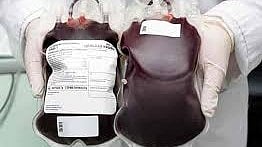
The Mumbai Food and Drug Administration (FDA) has confirmed that branded watches were distributed to blood donors at a camp in Mumbai. The camp was organised on April 9 by the Young Star Committee at Altamount Road in association with Sir JJ Hospital and a blood bank linked to the Red Cross/Nair Hospital.
The FDA inquiry found that donors received watches after donating blood, contradicting the organisers' earlier statement that no gifts were distributed. The inquiry was conducted after a complaint was filed through the Aaple Sarkar portal on April 18 and a subsequent news report on the issue.
The Young Star Committee had initially acknowledged that an offer of a gift appeared in the original advertisement but maintained that no gift was distributed. However, the FDA's fresh inquiry found that watches were indeed distributed to donors.
The FDA has referred the case to the State Blood Transfusion Council (SBTC) for necessary action. The SBTC Director, Dr Suhas Mohnalkar, was unavailable for comment.
The National Blood Transfusion Council's Guidelines for Voluntary Blood Donation state that offering gifts or inducements to donors is inappropriate. The SBTC has previously raised concerns over expensive gifts being offered to blood donors, which is a violation of the Drugs and Cosmetics Rules, 1945.
The FDA's action comes after a news report highlighted the issue, prompting the agency to conduct a fresh inquiry. The case has sparked concerns over the practice of offering gifts to blood donors, which could undermine the voluntary nature of blood donation.
The SBTC has been asked to take necessary action against those concerned. The FDA's referral of the case to the SBTC is a significant step in ensuring that blood donation camps are conducted in accordance with guidelines and regulations.
The incident has also raised questions about the regulation of blood donation camps in Mumbai. The FDA's action is expected to send a strong message to organisers of such camps, emphasizing the importance of adhering to guidelines and regulations.
In recent years, there have been instances of blood donation camps offering expensive gifts to donors, which has been termed a violation of regulations. The SBTC has been working to prevent such practices and ensure that blood donation is voluntary and free from inducements.
The case is a reminder of the need for strict regulation and monitoring of blood donation camps to prevent the distribution of gifts and inducements to donors. The FDA's action is a step in the right direction, and it is expected to have a positive impact on the regulation of blood donation camps in Mumbai.
The incident has significant implications for the city's blood donation landscape. It highlights the need for greater awareness and adherence to guidelines and regulations among organisers of blood donation camps. The FDA's action is expected to contribute to a more transparent and regulated blood donation system in Mumbai.
In conclusion, the Mumbai FDA's referral of the case to the SBTC is a significant step in ensuring that blood donation camps are conducted in accordance with guidelines and regulations. The incident has sparked concerns over the practice of offering gifts to blood donors and has highlighted the need for strict regulation and monitoring of blood donation camps.
Frequently asked questions
What is the issue with giving gifts to blood donors?
Offering gifts or inducements to donors is inappropriate and a violation of the Drugs and Cosmetics Rules, 1945.
What action has the FDA taken in the case?
The FDA has referred the case to the State Blood Transfusion Council (SBTC) for necessary action against those concerned.