Bombay HC Slams Maharashtra's Manual Scavenging Rule
Bombay HC criticizes Maharashtra's compensation rule, citing caste-based discrimination. Manual scavenging persists despite progress.
'%3E%3Crect%20width%3D'96'%20height%3D'96'%20fill%3D'%23B3261E'%2F%3E%3Ccircle%20cx%3D'30'%20cy%3D'24'%20r%3D'44'%20fill%3D'%23fff'%20opacity%3D'.12'%2F%3E%3Ccircle%20cx%3D'60'%20cy%3D'74'%20r%3D'40'%20fill%3D'%23000'%20opacity%3D'.10'%2F%3E%3C%2Fg%3E%3Cg%20fill%3D'%23fff'%3E%3Crect%20x%3D'29'%20y%3D'49'%20width%3D'8'%20height%3D'19'%20rx%3D'1'%2F%3E%3Crect%20x%3D'39'%20y%3D'40'%20width%3D'9'%20height%3D'28'%20rx%3D'1'%2F%3E%3Crect%20x%3D'50'%20y%3D'45'%20width%3D'8'%20height%3D'23'%20rx%3D'1'%2F%3E%3Crect%20x%3D'60'%20y%3D'53'%20width%3D'7'%20height%3D'15'%20rx%3D'1'%2F%3E%3Crect%20x%3D'41'%20y%3D'34'%20width%3D'5'%20height%3D'6'%2F%3E%3C%2Fg%3E%3C%2Fsvg%3E)
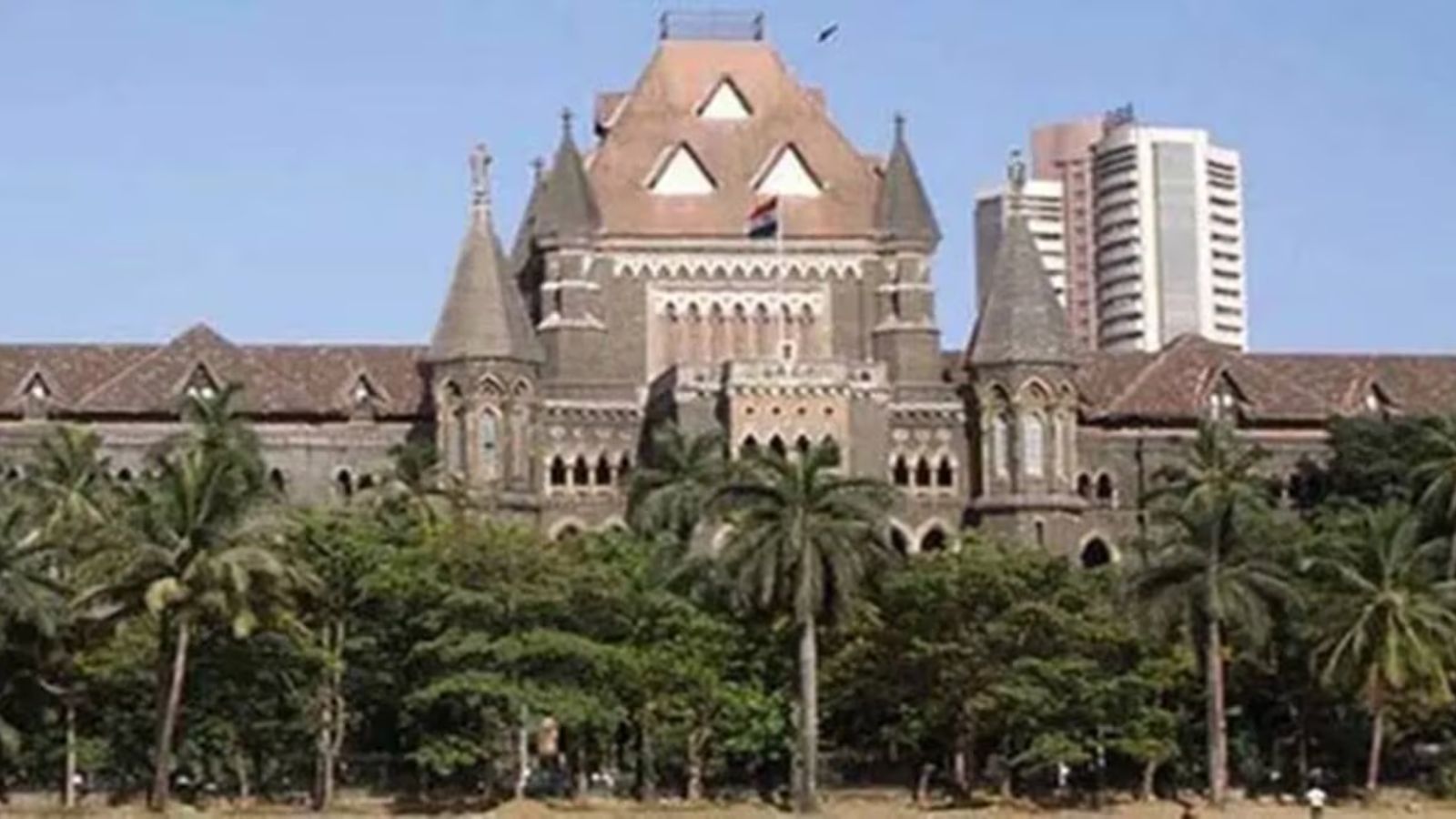
The Bombay High Court has strongly criticized the Maharashtra government's compensation rule for manual scavenging victims, stating that despite India's progress in reaching the moon, the evil of caste-based discrimination persists.
The court's remarks came in response to a petition challenging the state's rule that requires victims of manual scavenging to produce a certificate from the local municipality to receive compensation. The court argued that this rule is unfair and discriminatory, as it places an undue burden on the victims.
The Maharashtra government's rule has been widely criticized by activists and advocates, who argue that it perpetuates the existing caste-based system and discriminates against marginalized communities. The court's decision is seen as a significant step towards addressing the issue of manual scavenging and ensuring that victims receive fair compensation.
Manual scavenging is a practice where individuals, often from marginalized castes, are forced to clean human waste and sewage without proper equipment or protection. The practice is banned under Indian law, but it continues to persist in many parts of the country, including Maharashtra.
The Bombay High Court's decision highlights the need for the government to take stronger action to eradicate manual scavenging and ensure that victims receive justice. The court's remarks also underscore the ongoing struggle against caste-based discrimination in India, despite the country's progress in other areas.
The issue of manual scavenging is complex and deeply rooted in India's social and economic structures. It is estimated that thousands of people are engaged in manual scavenging across the country, with many more affected by the practice. The government has launched several initiatives to eradicate manual scavenging, but more needs to be done to address the root causes of the problem.
The Bombay High Court's decision is a significant step towards addressing the issue of manual scavenging and ensuring that victims receive fair compensation. However, it is only one part of a larger struggle to eradicate caste-based discrimination and ensure that all individuals are treated with dignity and respect.
In conclusion, the Bombay High Court's criticism of Maharashtra's manual scavenging compensation rule highlights the need for stronger action to address the issue of manual scavenging and caste-based discrimination. The government must take concrete steps to eradicate the practice and ensure that victims receive justice and fair compensation.
The court's decision is a reminder that despite India's progress in many areas, there is still much work to be done to address the social and economic inequalities that persist in the country. It is only through sustained efforts and commitment to social justice that we can hope to create a more equitable and just society for all.
The Maharashtra government must now revisit its compensation rule and ensure that it is fair and non-discriminatory. The government must also take stronger action to eradicate manual scavenging and ensure that victims receive justice and fair compensation. Only then can we hope to create a society that is free from the evil of caste-based discrimination.
The issue of manual scavenging is a complex one, and it requires a comprehensive and multi-faceted approach to address. The government, civil society, and individuals must all work together to eradicate the practice and ensure that victims receive justice and fair compensation.
The Bombay High Court's decision is a significant step towards addressing the issue of manual scavenging, and it highlights the need for stronger action to address the root causes of the problem. The government must now take concrete steps to eradicate manual scavenging and ensure that victims receive fair compensation and justice.
Frequently asked questions
What is manual scavenging and why is it banned in India?
Manual scavenging is a practice where individuals are forced to clean human waste and sewage without proper equipment or protection. It is banned under Indian law due to its inhumane and degrading nature.
What is the Maharashtra government's compensation rule for manual scavenging victims?
The rule requires victims to produce a certificate from the local municipality to receive compensation, which has been criticized as unfair and discriminatory.