Strait Of Hormuz Traffic Slows After US-Iran Strikes
US-Iran tensions rise, shipping halted. Global energy supplies at risk.

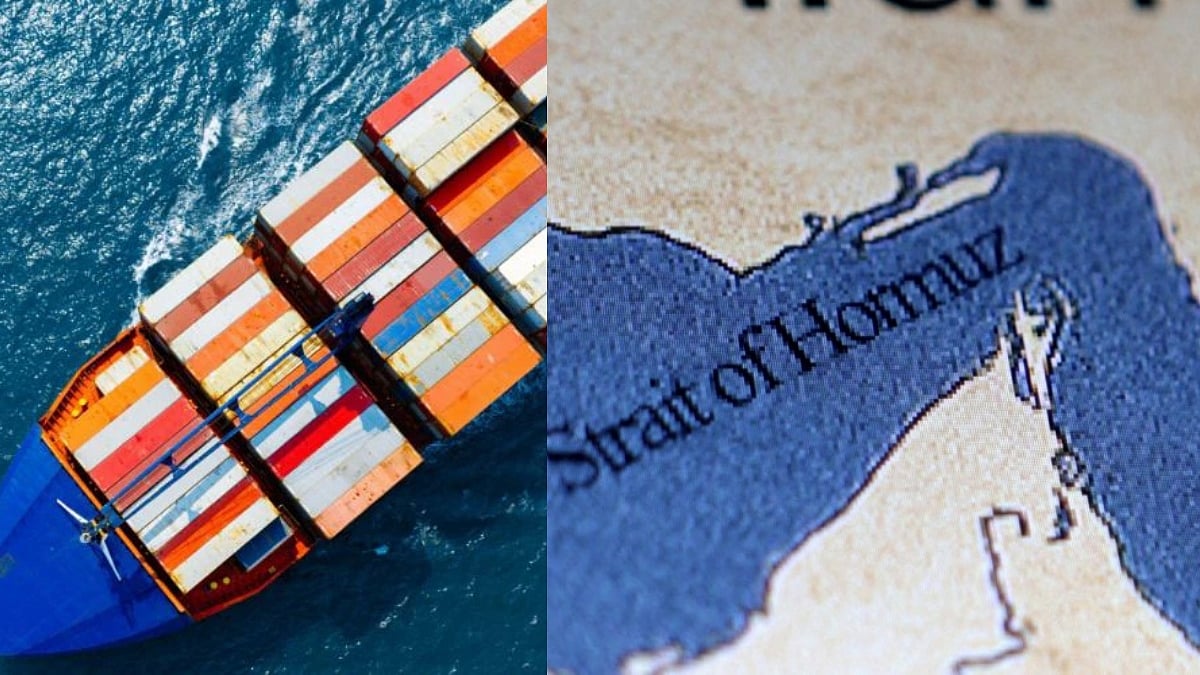
A significant escalation in US-Iran tensions has led to a near-halt in traffic through the Strait of Hormuz, a critical energy shipping route. The renewed conflict has raised concerns over the stability of the fragile ceasefire between the two countries.
According to ship-tracking data, most vessels are now taking a route closer to Iran's side of the waterway, which requires approval from Iranian authorities. In contrast, the corridor supported by the United States and Oman has seen limited activity. Only a few larger vessels, including a US-sanctioned supertanker and an Iranian-flagged container ship, have been detected moving through the strait.
The slowdown in shipping activity follows a series of attacks on commercial vessels, which prompted US strikes on Iran. US President Donald Trump has stated that the ceasefire arrangement with Tehran has ended, further increasing uncertainty around maritime security in the region. As a result, the number of commodity-carrying vessels crossing the strait has decreased significantly, with only 14 vessels making the crossing on Wednesday.
This represents a sharp reversal from the period following the temporary agreement between the US and Iran, during which an average of 34 commodity vessels crossed the waterway daily. The decline in shipping activity has also affected liquefied natural gas (LNG) tanker movement, which remains suspended. However, two empty vessels have recently entered the Gulf of Oman and are moving towards the eastern entrance of the waterway.
There are also indications of renewed electronic interference affecting maritime tracking systems, with some vessels near Oman's Limah area appearing to travel at unusually high speeds. This could indicate the activation of defence systems designed to counter drone threats, which can interfere with ship transponders and impact the accuracy of vessel tracking data.
The Strait of Hormuz handles a significant portion of global energy shipments, and prolonged disruption to traffic could create fresh concerns over crude oil supplies, shipping costs, and global energy markets. The region's instability has significant implications for the global economy, and the situation is being closely monitored by energy market analysts and shipping companies.
The US-Iran conflict has been ongoing for several months, with both countries engaging in a series of retaliatory strikes. The conflict has raised concerns over the stability of the region and the potential impact on global energy supplies. The situation remains volatile, with the potential for further escalation.
In the context of global energy markets, the Strait of Hormuz plays a critical role in the transportation of crude oil and other energy products. Any disruption to traffic through the strait could have significant implications for energy prices and global economic stability. As such, the situation is being closely watched by energy market analysts and governments around the world.
The potential consequences of a prolonged disruption to traffic through the Strait of Hormuz are significant. With the global economy already facing several challenges, a disruption to energy supplies could have far-reaching implications. As such, it is essential to monitor the situation closely and work towards a resolution to the conflict.
In conclusion, the escalation in US-Iran tensions has led to a significant slowdown in traffic through the Strait of Hormuz, with potential implications for global energy supplies and the global economy. The situation remains volatile, and it is essential to monitor the situation closely and work towards a resolution to the conflict.