Mumbai Families Refuse to Leave Landslide-Prone Homes
Families in Mumbai's landslide-prone areas refuse to leave homes despite risks.

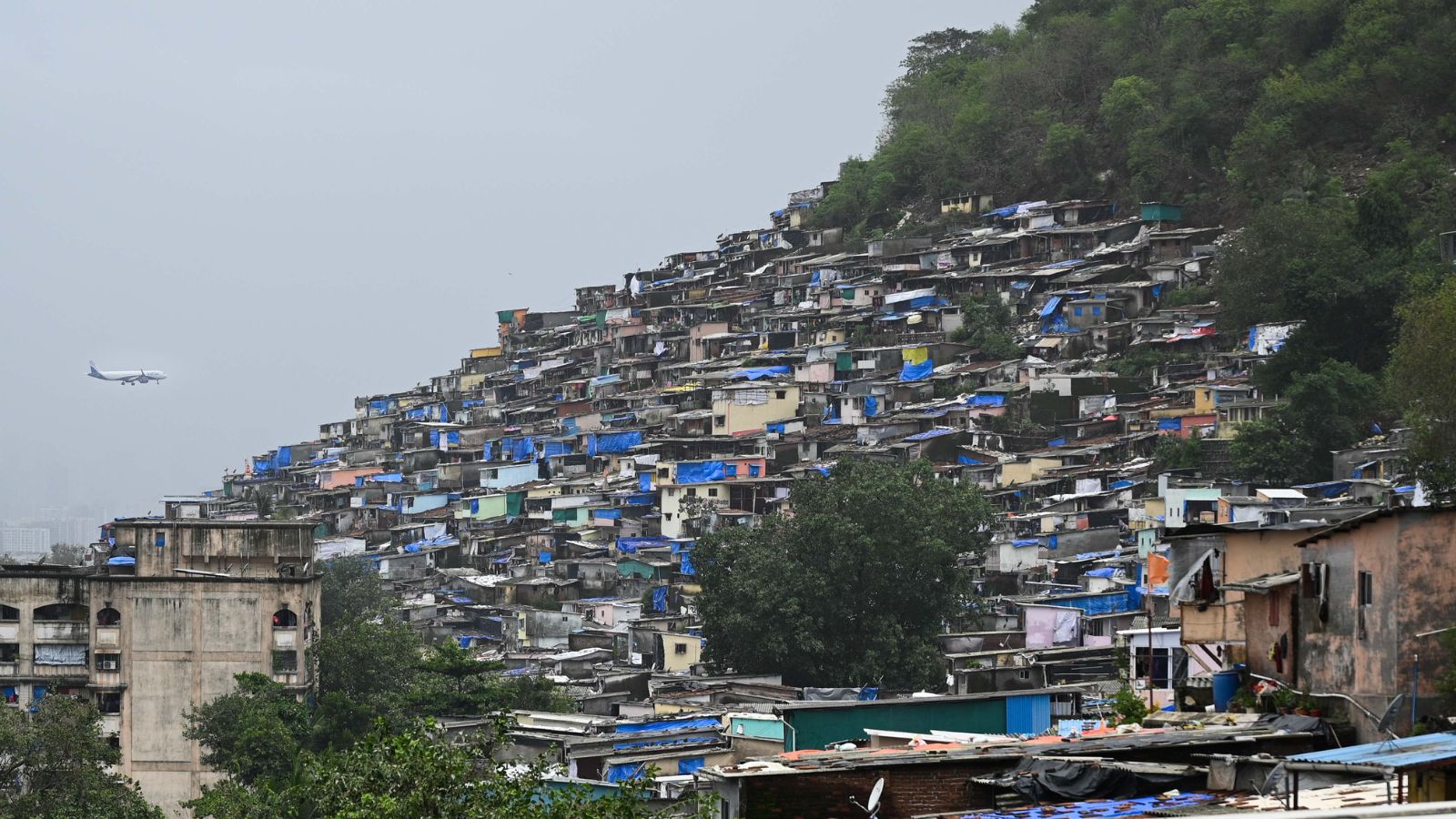
A recent landslide in Mumbai's eastern suburbs has raised concerns about the safety of residents living in landslide-prone areas. However, despite the risks, many families are refusing to leave their homes.
The families living in these areas have grown accustomed to the risks associated with landslides and have learned to adapt to their surroundings. For many, their homes are not just a place to live, but also a source of livelihood and a connection to their community.
According to residents, the risk of landslides is not a new phenomenon in these areas. Many have lived with the threat of landslides for years and have developed strategies to mitigate the risks. Some have even taken to reinforcing their homes with additional support structures to prevent damage from landslides.
The Mumbai municipality has initiated efforts to relocate families living in landslide-prone areas, but many are hesitant to leave. The relocation process is often slow and cumbersome, and many families are concerned about being displaced from their communities and livelihoods.
Mumbai's landslide-prone areas are largely located in the city's eastern suburbs, where the terrain is hilly and prone to soil erosion. The area is home to many low-income families who have lived there for generations. The residents of these areas have developed a strong sense of community and are often reluctant to leave their homes and neighborhoods.
The Indian Meteorological Department has warned of heavy rainfall in Mumbai, which could exacerbate the risk of landslides. However, despite the warnings, many families are choosing to stay in their homes and ride out the storm.
The decision to stay in landslide-prone areas is often driven by economic considerations. Many families cannot afford to relocate to safer areas, and their homes are often their most valuable asset. Additionally, the process of relocation can be complex and time-consuming, involving multiple government agencies and bureaucratic hurdles.
In recent years, Mumbai has experienced several landslides, resulting in loss of life and property. The city's authorities have initiated measures to prevent landslides, including the construction of retaining walls and the removal of debris from hillsides. However, more needs to be done to address the root causes of landslides and to provide support to families living in landslide-prone areas.
The refusal of families to leave landslide-prone homes highlights the need for a more comprehensive approach to addressing the issue of landslides in Mumbai. The city's authorities must work to provide affordable and safe housing options for families living in landslide-prone areas, as well as to implement effective measures to prevent landslides and mitigate their impact.
In conclusion, the decision of Mumbai families to stay in landslide-prone homes despite the risks is a complex issue driven by a range of factors, including economic considerations, community ties, and a lack of affordable and safe housing options. The city's authorities must work to address these underlying issues and provide support to families living in landslide-prone areas to prevent further loss of life and property.