NIA: Al-Falah Docs Tested Bombs in University, Aravalis
Al-Falah doctors tested bombs, NIA chargesheet reveals. Terror module used university, isolated areas.
'%3E%3Crect%20width%3D'96'%20height%3D'96'%20fill%3D'%231A5276'%2F%3E%3Ccircle%20cx%3D'30'%20cy%3D'24'%20r%3D'44'%20fill%3D'%23fff'%20opacity%3D'.12'%2F%3E%3Ccircle%20cx%3D'60'%20cy%3D'74'%20r%3D'40'%20fill%3D'%23000'%20opacity%3D'.10'%2F%3E%3C%2Fg%3E%3Cg%20fill%3D'%23fff'%3E%3Cpath%20d%3D'M31%2041%20L48%2031%20L65%2041%20Z'%2F%3E%3Crect%20x%3D'33'%20y%3D'43'%20width%3D'4'%20height%3D'17'%2F%3E%3Crect%20x%3D'41'%20y%3D'43'%20width%3D'4'%20height%3D'17'%2F%3E%3Crect%20x%3D'51'%20y%3D'43'%20width%3D'4'%20height%3D'17'%2F%3E%3Crect%20x%3D'59'%20y%3D'43'%20width%3D'4'%20height%3D'17'%2F%3E%3Crect%20x%3D'30'%20y%3D'62'%20width%3D'36'%20height%3D'4'%20rx%3D'1'%2F%3E%3C%2Fg%3E%3C%2Fsvg%3E)
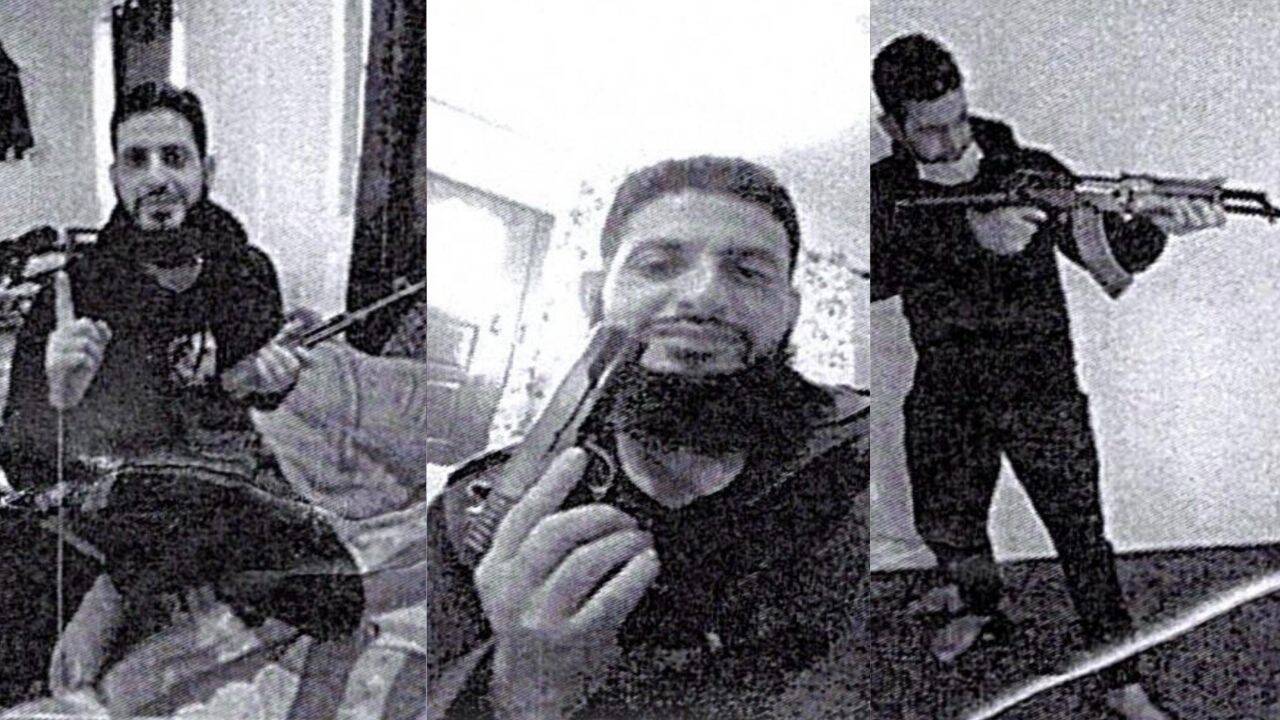
The National Investigation Agency (NIA) has revealed that doctors from the Al-Falah group tested explosive devices inside a university and later in the Aravalis, according to a chargesheet filed by the agency. The terror module, which included medical professionals, allegedly progressed from using fertilizer explosives to improvised explosive devices (IEDs).
The NIA chargesheet details how the doctors, who were part of the terror module, tested explosive mixtures and firearms in isolated locations, including the university and the Aravalis. The weapons were procured using funds that were routed through a university doctor, who played a key role in the terror module.
The terror group rented premises in isolated areas, where they stored chemicals, equipment, and explosives, keeping them away from public view. The NIA also seized a major cache of ammonium nitrate, a key ingredient in explosive devices, before the Red Fort blast.
The Al-Falah group's activities were initially focused on using fertilizer explosives, but they later shifted to using IEDs, which are more sophisticated and deadly. The NIA's investigation has revealed that the terror module had a well-organized network, with members playing different roles in the planning and execution of their activities.
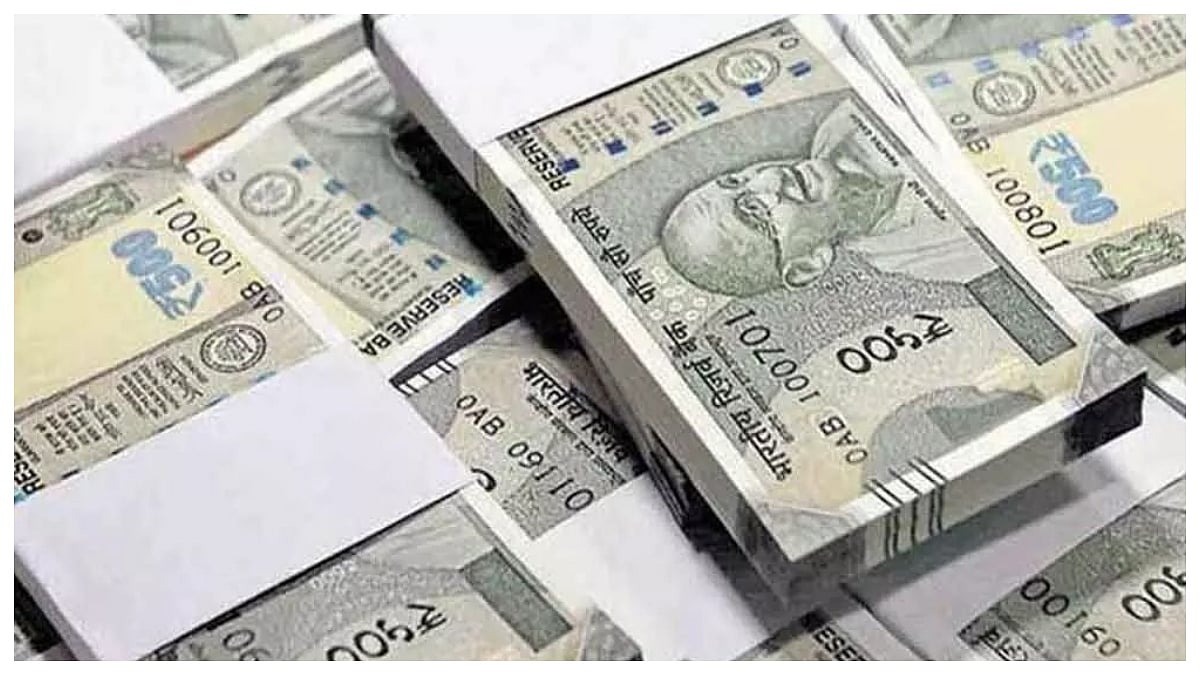
The use of a university as a testing ground for explosive devices is a disturbing trend, and it highlights the need for increased vigilance and security measures in educational institutions. The NIA's chargesheet has also revealed that the terror module had a significant amount of funds at their disposal, which were used to procure weapons and explosives.
The NIA's investigation into the Al-Falah group's activities is ongoing, and the agency is working to uncover more details about the terror module's plans and operations. The chargesheet filed by the NIA is a significant development in the case, and it provides valuable insights into the workings of the terror module.
The revelation that doctors were involved in the terror module has raised concerns about the radicalization of medical professionals. The NIA's investigation has shown that the doctors played a key role in the terror module, and they were involved in the planning and execution of the group's activities.
The NIA's chargesheet has also highlighted the need for increased cooperation between law enforcement agencies and educational institutions to prevent the radicalization of students and professionals. The agency's investigation has shown that the terror module was able to operate undetected for a significant period, and it highlights the need for more effective intelligence gathering and sharing.
In conclusion, the NIA's chargesheet has revealed a disturbing trend of terror activities in India, and it highlights the need for increased vigilance and security measures. The involvement of doctors in the terror module is a concerning development, and it raises questions about the radicalization of medical professionals.
Frequently asked questions
What was the role of doctors in the Al-Falah terror module?
The doctors allegedly tested explosive mixtures and firearms in isolated locations and played a key role in the terror module's activities.
What was seized by the NIA before the Red Fort blast?
The NIA seized a major cache of ammonium nitrate, a key ingredient in explosive devices.