RSS Open to Dialogue on Mohan Bhagwat UK Trip
RSS responds to critics, Mohan Bhagwat's UK trip sparks debate
'%3E%3Crect%20width%3D'96'%20height%3D'96'%20fill%3D'%231A5276'%2F%3E%3Ccircle%20cx%3D'30'%20cy%3D'24'%20r%3D'44'%20fill%3D'%23fff'%20opacity%3D'.12'%2F%3E%3Ccircle%20cx%3D'60'%20cy%3D'74'%20r%3D'40'%20fill%3D'%23000'%20opacity%3D'.10'%2F%3E%3C%2Fg%3E%3Cg%20fill%3D'%23fff'%3E%3Cpath%20d%3D'M31%2041%20L48%2031%20L65%2041%20Z'%2F%3E%3Crect%20x%3D'33'%20y%3D'43'%20width%3D'4'%20height%3D'17'%2F%3E%3Crect%20x%3D'41'%20y%3D'43'%20width%3D'4'%20height%3D'17'%2F%3E%3Crect%20x%3D'51'%20y%3D'43'%20width%3D'4'%20height%3D'17'%2F%3E%3Crect%20x%3D'59'%20y%3D'43'%20width%3D'4'%20height%3D'17'%2F%3E%3Crect%20x%3D'30'%20y%3D'62'%20width%3D'36'%20height%3D'4'%20rx%3D'1'%2F%3E%3C%2Fg%3E%3C%2Fsvg%3E)
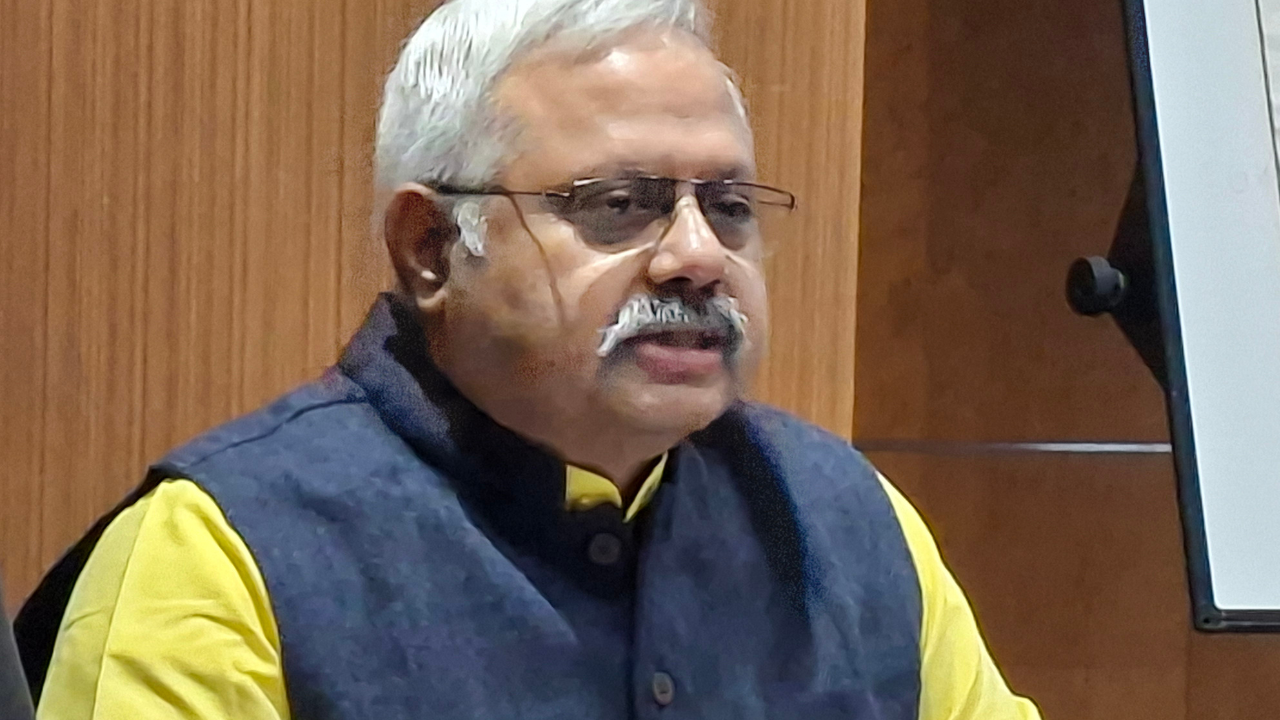
The Rashtriya Swayamsevak Sangh (RSS) has stated that it is open to dialogue with critics of Mohan Bhagwat's recent trip to the United Kingdom.
The trip has sparked a significant amount of debate and criticism, with many questioning the purpose and implications of the visit.
In response to these criticisms, the RSS has taken a conciliatory tone, stating that it is willing to engage in dialogue with those who have concerns about the trip.
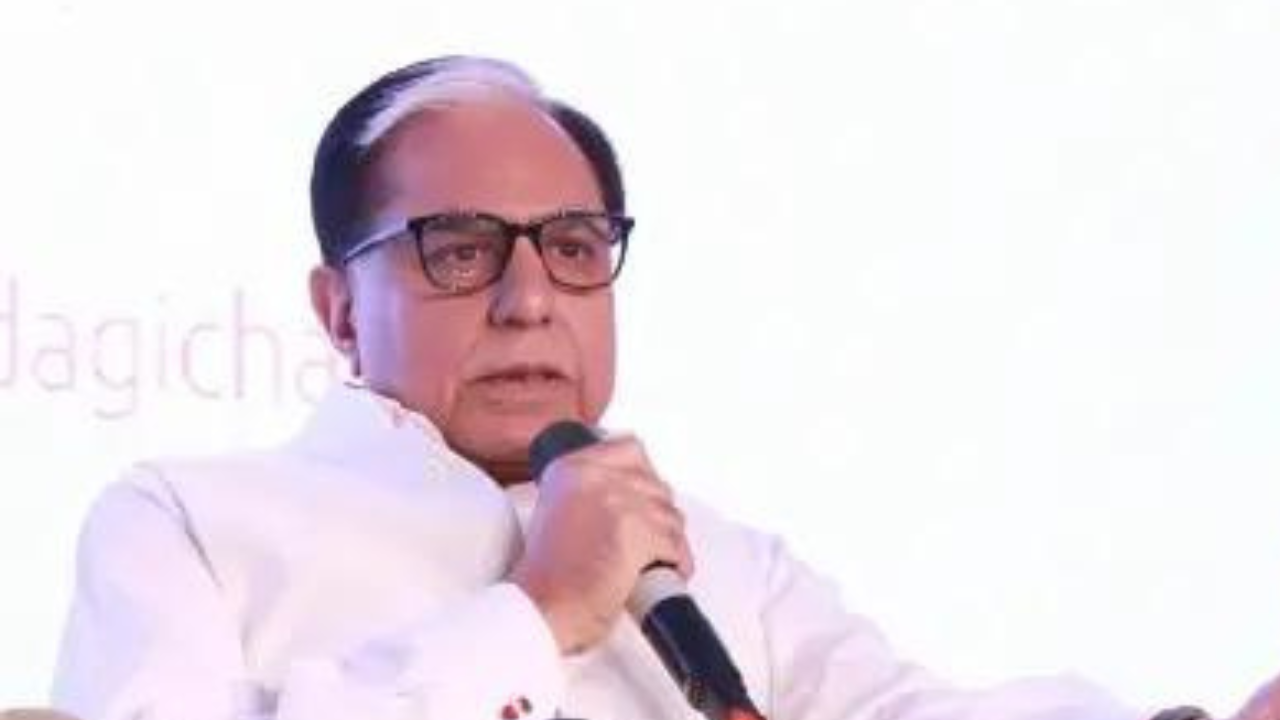
Mohan Bhagwat, the chief of the RSS, had traveled to the UK, where he engaged in a series of meetings and interactions with various individuals and groups.
The details of the trip have not been fully disclosed, but it is believed that Bhagwat's visit was aimed at promoting a greater understanding of the RSS and its ideology.
The RSS has faced criticism in the past for its perceived stance on various issues, including its views on minority communities and its role in Indian politics.
Despite these criticisms, the RSS remains a significant and influential organization in India, with a large following and a strong presence in many parts of the country.
The organization's willingness to engage in dialogue with its critics is seen as a positive step, and may help to address some of the concerns and misconceptions that exist about the RSS and its ideology.
The trip has also sparked a wider debate about the role of the RSS in Indian society and politics, and the implications of its ideology for the country's future.
As the debate continues, it remains to be seen how the RSS will respond to its critics and whether it will be able to address the concerns that have been raised about its ideology and activities.
In the meantime, the RSS's openness to dialogue is a significant development, and one that may help to promote a greater understanding of the organization and its goals.
The RSS's statement on the matter is a clear indication that the organization is willing to listen to its critics and engage in a constructive dialogue.
This approach may help to reduce tensions and promote a more nuanced understanding of the RSS and its ideology.
It is also a recognition that the RSS is not immune to criticism and that it is willing to adapt and evolve in response to changing circumstances.
The willingness to engage in dialogue is a positive step, and one that may help to promote a more inclusive and tolerant society in India.
In conclusion, the RSS's openness to dialogue on Mohan Bhagwat's UK trip is a significant development, and one that may help to promote a greater understanding of the organization and its ideology.
It remains to be seen how the debate will unfold, but the RSS's willingness to engage in dialogue is a positive step that may help to address some of the concerns and misconceptions that exist about the organization.