Bermuda's 400-Year-Old Roof Design Supplies Water
Bermuda's ancient roof design provides water to thousands. Learn how it works.

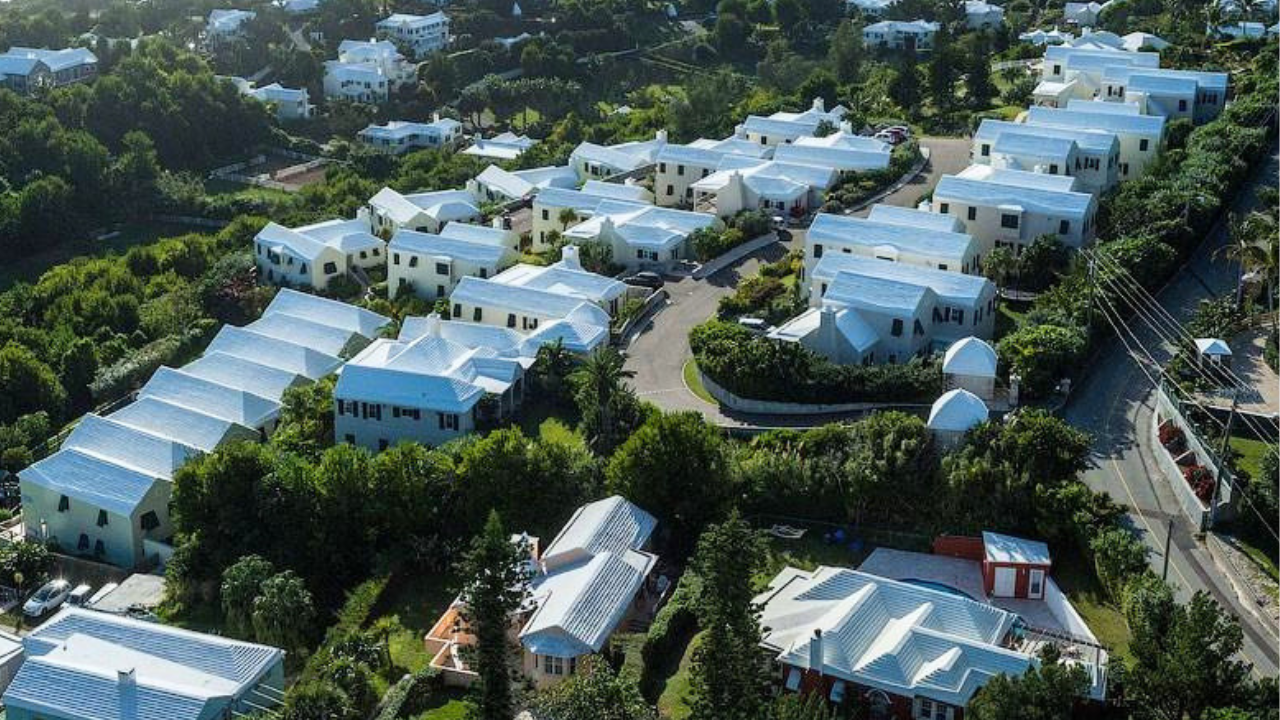
In a remarkable example of innovative design, Bermuda's 400-year-old roof design has been supplying water to approximately 65,000 people. This unique system, which has been in place for centuries, is a testament to the resourcefulness of the island's early inhabitants.
The roof design, which was first introduced by British colonizers in the 17th century, is specifically intended to collect and harvest rainwater. The roofs are typically sloped and covered with a layer of limestone or tile, allowing rainwater to run off and be collected in tanks or cisterns. This simple yet effective design has been adopted by many buildings across the island, providing a reliable source of fresh water for residents.
According to experts, the roof design is a key component of Bermuda's water supply system. The collected rainwater is used for a variety of purposes, including drinking, cooking, and washing. The system is particularly important during periods of drought or water scarcity, when other sources of water may be limited.
The success of Bermuda's roof design can be attributed to its simplicity and effectiveness. The design requires minimal maintenance and is relatively inexpensive to implement, making it an attractive solution for water-scarce communities around the world. As the global water crisis continues to worsen, Bermuda's 400-year-old roof design serves as a valuable example of how innovative thinking and traditional practices can be combined to provide sustainable solutions.
In recent years, there has been a growing interest in adopting similar roof designs in other parts of the world. Experts believe that this approach could be particularly effective in regions where rainfall is abundant, but access to clean water is limited. As the world continues to grapple with the challenges of water scarcity, Bermuda's ancient roof design is an important reminder of the power of innovation and tradition.
The impact of Bermuda's roof design extends beyond the island itself, serving as a model for other communities to follow. As the global community continues to search for sustainable solutions to the water crisis, this 400-year-old design is a valuable resource that deserves attention and recognition.
In conclusion, Bermuda's 400-year-old roof design is a remarkable example of how traditional practices can be used to provide sustainable solutions to modern problems. The design's simplicity, effectiveness, and minimal maintenance requirements make it an attractive solution for water-scarce communities around the world. As the world continues to face the challenges of water scarcity, Bermuda's roof design is an important reminder of the power of innovation and tradition.