India Shifts Focus to Indonesia's Sabang Port
India eyes Sabang Port, Indonesia's strategic location, after Chabahar and Mongla setbacks.

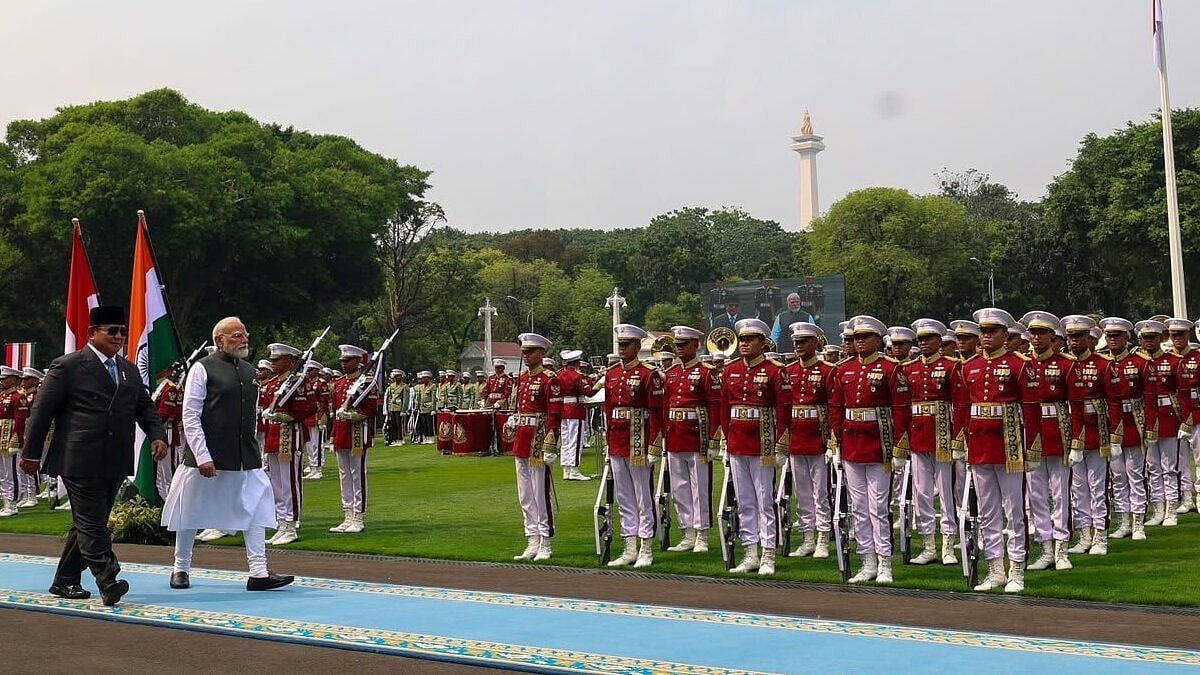
India is shifting its focus to Indonesia's Sabang Port, a strategic location in Southeast Asia, after facing setbacks at Iran's Chabahar port and Bangladesh's Mongla Port. The move comes as India seeks to counter China's growing influence in the region through its Belt and Road Initiative (BRI).
The Sabang Port project is a comprehensive infrastructure pact between India and Indonesia to jointly develop a deep-sea port and an economic zone on Weh Island in Indonesia. The project was initially discussed during Prime Minister Narendra Modi's state visit to Jakarta in May 2018, and a Joint Task Force was established to construct port-related infrastructure.
According to Indonesia's former Coordinating Minister for Maritime Affairs, Luhut Pandjaitan, the project extends beyond commercial shipping docks and includes the construction of a hospital, connectivity frameworks with India's Andaman and Nicobar Islands, and potential military access. The agreement also envisions allowing Indian naval vessels and coast guards to visit the port, turning a commercial venture into a shared security anchor.
Sabang is located on Weh Island at the northern tip of Sumatra, Indonesia, and sits at the western gates of the Strait of Malacca, a critical maritime chokepoint. The location makes Sabang an unmatched maritime sentinel, with the Strait of Malacca carrying roughly 15 million barrels of oil per day from West Asia and West Africa.
The development of Sabang Port is crucial for India as it seeks to strengthen its maritime presence in the region. The port's strategic location will enable India to monitor and secure its trade routes, as well as counter China's growing influence in the Indian Ocean. India's Prime Minister Narendra Modi has highlighted the importance of the project, stating that India and Indonesia have decided to deepen their cooperation in the blue economy, port development, and maritime trade.
The project is expected to have significant implications for India's maritime strategy and its relations with Indonesia. As India seeks to expand its influence in the region, the development of Sabang Port is likely to play a key role in its efforts to counter China's BRI and secure its trade routes.
In recent years, India-Indonesia relations have acquired new momentum and greater depth, with the two countries holding productive discussions on various subjects such as trade, human development, agriculture, and food. The development of Sabang Port is a key aspect of this growing relationship and is expected to further strengthen ties between the two nations.
As India moves forward with the development of Sabang Port, it is likely to face challenges and opportunities in the region. The project's success will depend on the ability of India and Indonesia to work together and navigate the complex geopolitical landscape of the region. However, if successful, the project is likely to have significant benefits for India's maritime strategy and its relations with Indonesia, and will play a key role in securing India's trade routes and countering China's growing influence in the region.
In the coming months, India and Indonesia are expected to make significant progress on the project, with the establishment of a joint task force and the commencement of construction work on the port. The project's development is likely to be closely watched by regional powers, including China, and will have significant implications for the balance of power in the region.
Overall, the development of Sabang Port is a crucial aspect of India's maritime strategy and its efforts to counter China's growing influence in the region. The project's success will depend on the ability of India and Indonesia to work together and navigate the complex geopolitical landscape of the region. However, if successful, the project is likely to have significant benefits for India's maritime strategy and its relations with Indonesia, and will play a key role in securing India's trade routes and countering China's growing influence in the region.