Air India Gets DGCA Nod For Electronic Logbooks
Air India to use digital logbooks for Boeing 787 and 777 fleets. Improves maintenance efficiency and reduces paper consumption.
'%3E%3Crect%20width%3D'96'%20height%3D'96'%20fill%3D'%23B3261E'%2F%3E%3Ccircle%20cx%3D'30'%20cy%3D'24'%20r%3D'44'%20fill%3D'%23fff'%20opacity%3D'.12'%2F%3E%3Ccircle%20cx%3D'60'%20cy%3D'74'%20r%3D'40'%20fill%3D'%23000'%20opacity%3D'.10'%2F%3E%3C%2Fg%3E%3Cg%20fill%3D'%23fff'%3E%3Crect%20x%3D'29'%20y%3D'49'%20width%3D'8'%20height%3D'19'%20rx%3D'1'%2F%3E%3Crect%20x%3D'39'%20y%3D'40'%20width%3D'9'%20height%3D'28'%20rx%3D'1'%2F%3E%3Crect%20x%3D'50'%20y%3D'45'%20width%3D'8'%20height%3D'23'%20rx%3D'1'%2F%3E%3Crect%20x%3D'60'%20y%3D'53'%20width%3D'7'%20height%3D'15'%20rx%3D'1'%2F%3E%3Crect%20x%3D'41'%20y%3D'34'%20width%3D'5'%20height%3D'6'%2F%3E%3C%2Fg%3E%3C%2Fsvg%3E)
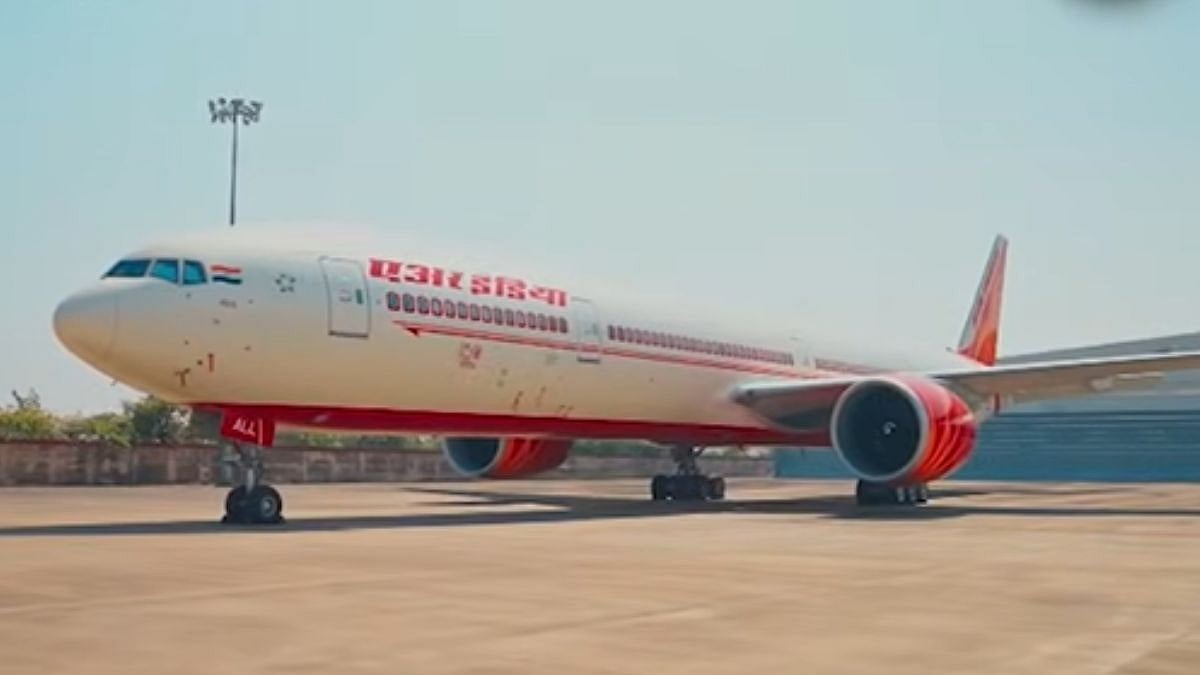
The Directorate General of Civil Aviation (DGCA) has given Air India the green light to use Electronic Technical Logbooks (ETL) for its Boeing 787 fleet and has also authorized the airline to implement the system across its Boeing 777 fleet. This move makes Air India one of the first airlines to adopt fleet-wide ETLs.
The ETL system replaces traditional paper-based maintenance records with a secure digital platform, enabling faster and more accurate management of aircraft maintenance and engineering activities. This digital system provides real-time information sharing between maintenance engineers and operational teams, improving coordination and accelerating defect reporting and rectification.
The implementation of ETLs is expected to strengthen Air India's operational performance, safety, reliability, and sustainability. The digital platform also delivers enhanced data integrity, traceability, and regulatory compliance, while providing advanced analytics that support predictive maintenance and informed engineering decision-making.
In addition to the operational benefits, the paperless system significantly reduces paper consumption, supporting Air India's sustainability objectives. The airline's senior vice president for engineering and maintenance, Jeremy Yew Jin Kit, stated that the implementation of ETLs reaffirms the collaborative work involving engineering, flight operations, digital technology teams, OEM partners, and the regulator.
The move is part of Air India's continued investment in digital technologies to modernize engineering and maintenance operations. It is considered a key step in the airline's broader vision to build a data-driven aviation business that excels in operational performance and customer service.
Air India's adoption of ETLs is a significant development in the aviation industry, highlighting the importance of technology in improving operational efficiency and reducing environmental impact. The airline's commitment to digital transformation is expected to have a positive impact on its operations and customer experience.
The use of ETLs is also expected to improve the airline's maintenance governance, enabling faster decision-making across engineering and operations teams. The real-time digital information provided by the ETL system will enable maintenance engineers and operational teams to work more efficiently, reducing downtime and improving aircraft dispatch reliability.
Overall, the implementation of ETLs is a significant milestone for Air India, marking a major step forward in its digital transformation journey. The airline's commitment to technology and innovation is expected to have a positive impact on its operations, customer experience, and sustainability objectives.
The approval from the DGCA is a testament to Air India's efforts to modernize its operations and improve its efficiency. The airline's adoption of ETLs is expected to set a new standard for the aviation industry, highlighting the importance of technology in improving operational performance and reducing environmental impact.
In conclusion, the implementation of ETLs by Air India is a significant development in the aviation industry, highlighting the importance of technology in improving operational efficiency and reducing environmental impact. The airline's commitment to digital transformation is expected to have a positive impact on its operations, customer experience, and sustainability objectives.